A transmission tower contractor in Maple Ridge called us last fall. They had a 47-meter lattice section that needed three coats of primer pulled back to bare steel before regalvanizing. The original quote from a sandblasting outfit came in at $14,200. After silica containment, dust monitoring, and a forced two-day shutdown of the adjacent substation access road, the real number would have landed closer to $22,000.
We finished the same scope with handheld fiber lasers in 31 hours. No containment. No road closure. Final invoice: $7,800.
This is the math that keeps showing up across structural rust work in British Columbia. Bridge decks. Tank farms. Penstock anchors. Transmission infrastructure. The technology that used to be the obvious answer for stripping rust from heavy steel is losing jobs every quarter, and the reason is not nostalgia for new toys. It is the cost of doing abrasive blasting properly under current BC rules.
What changed: the silica exposure rule
WorkSafeBC’s respirable crystalline silica regulation under OHSR Part 6 forces a different cost structure on any abrasive blasting that uses silica-bearing media or hits silica-bearing surfaces. The action level sits at 0.025 mg/m³ over 8 hours and the exposure limit at 0.05 mg/m³. Steel rust on a structural member that has seen old paint, concrete dust, or weathered coatings will almost always trigger sampling and engineered controls.
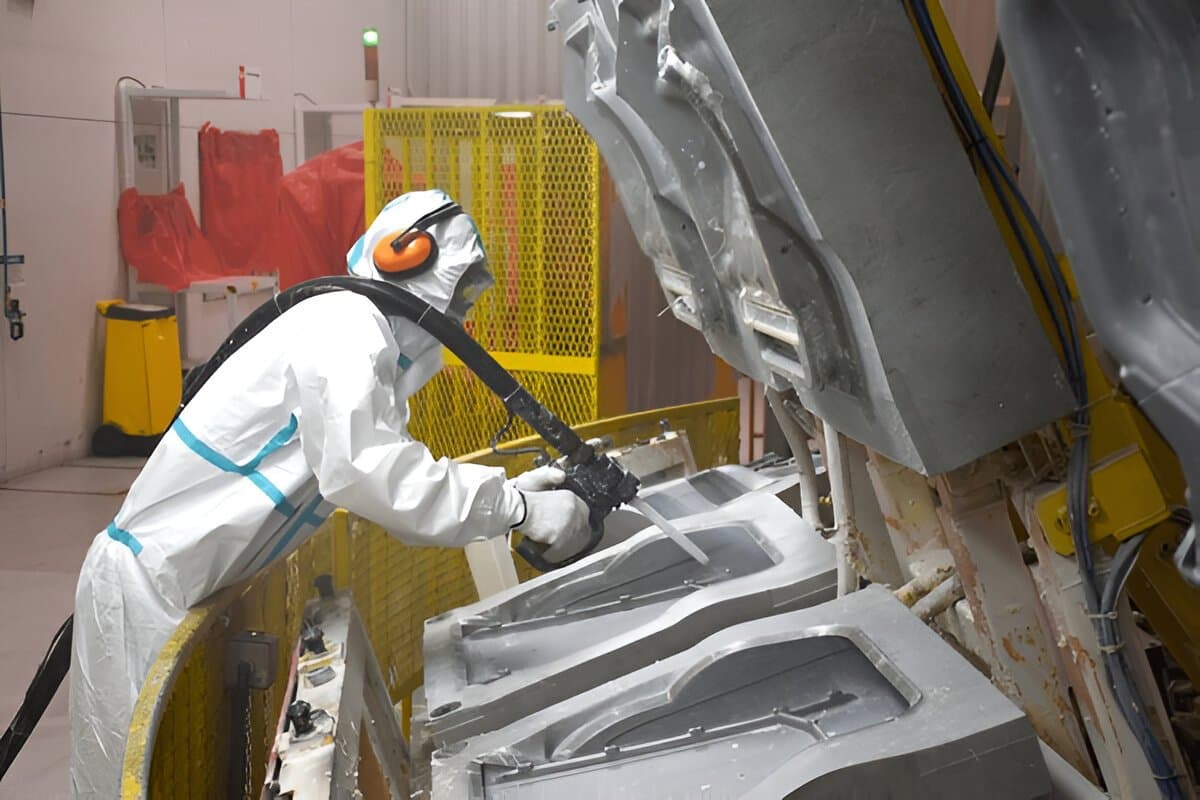
In practice this means an exposure control plan, third-party air monitoring on day one of every job, full respiratory protection (typically supplied-air for the operator), and either fixed containment or a moving enclosure system. For a single boom-lift operator on a structural steel job, the daily uplift over basic abrasive setup runs $1,800 to $3,200 in Greater Vancouver. Stretch that across a four-day project and the compliance line item dwarfs the actual blasting cost.
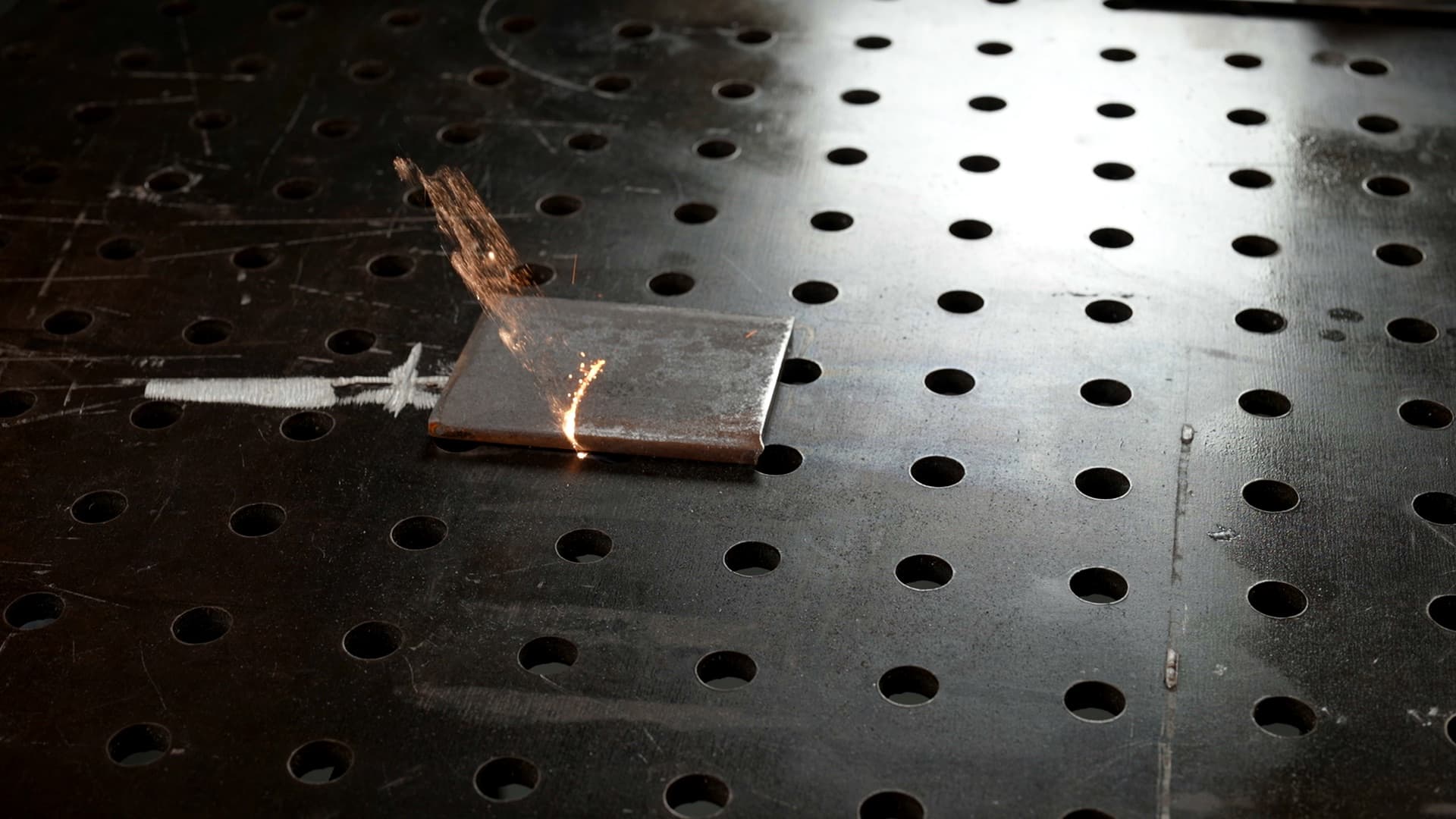
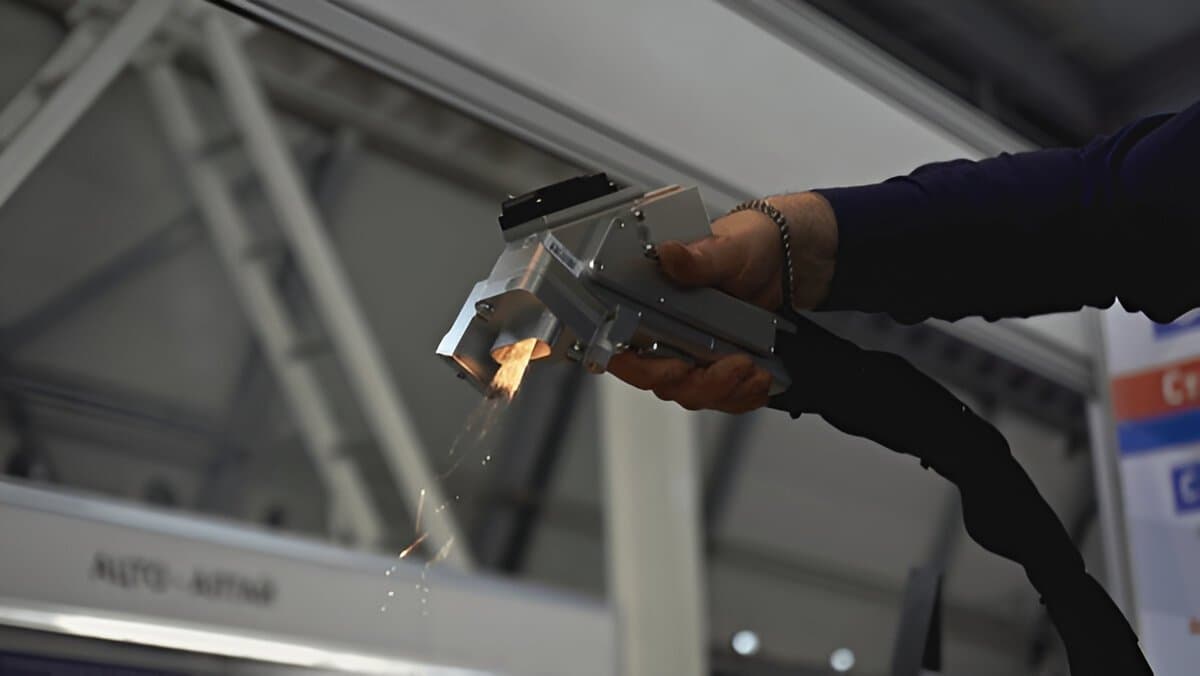
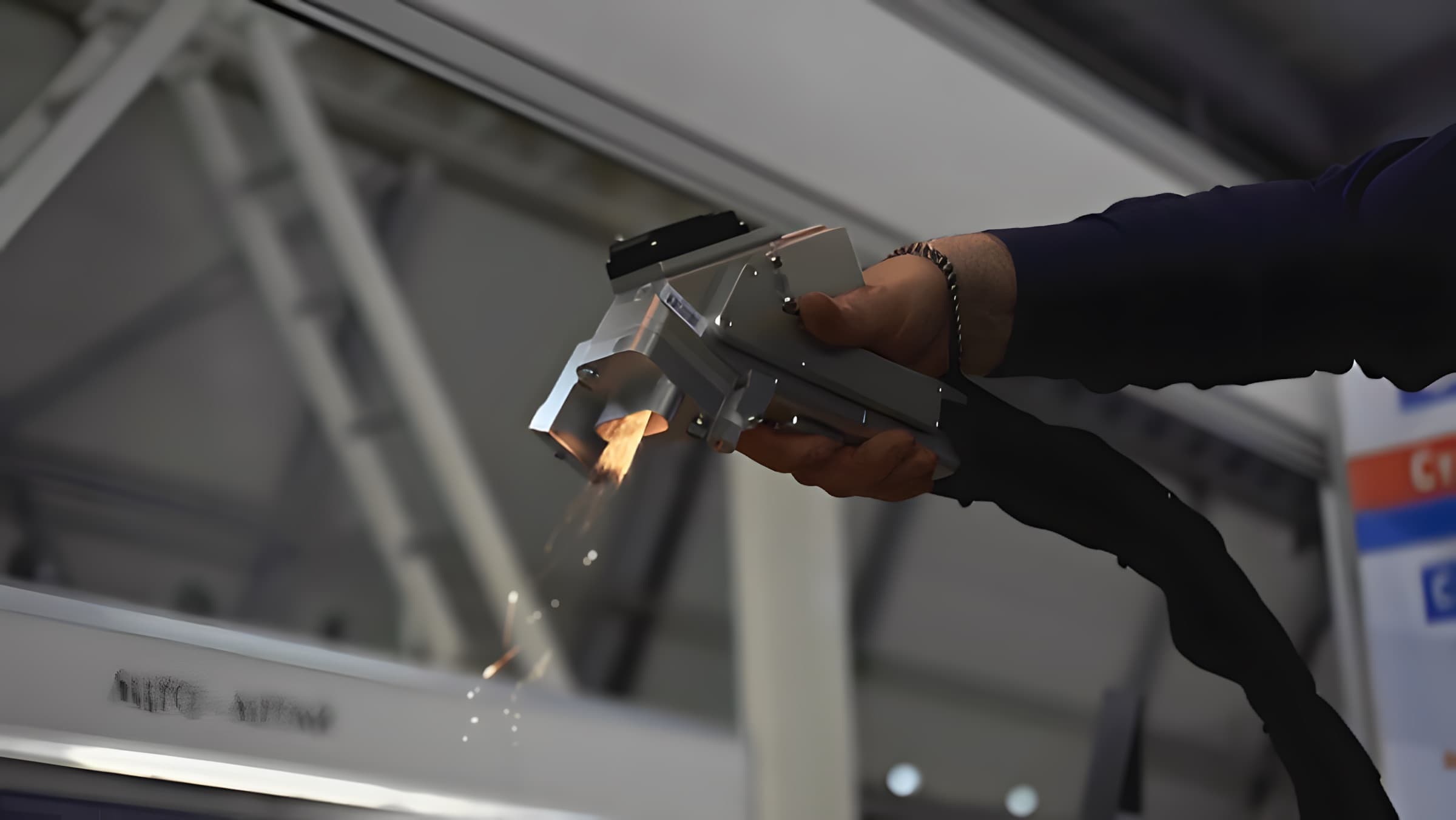
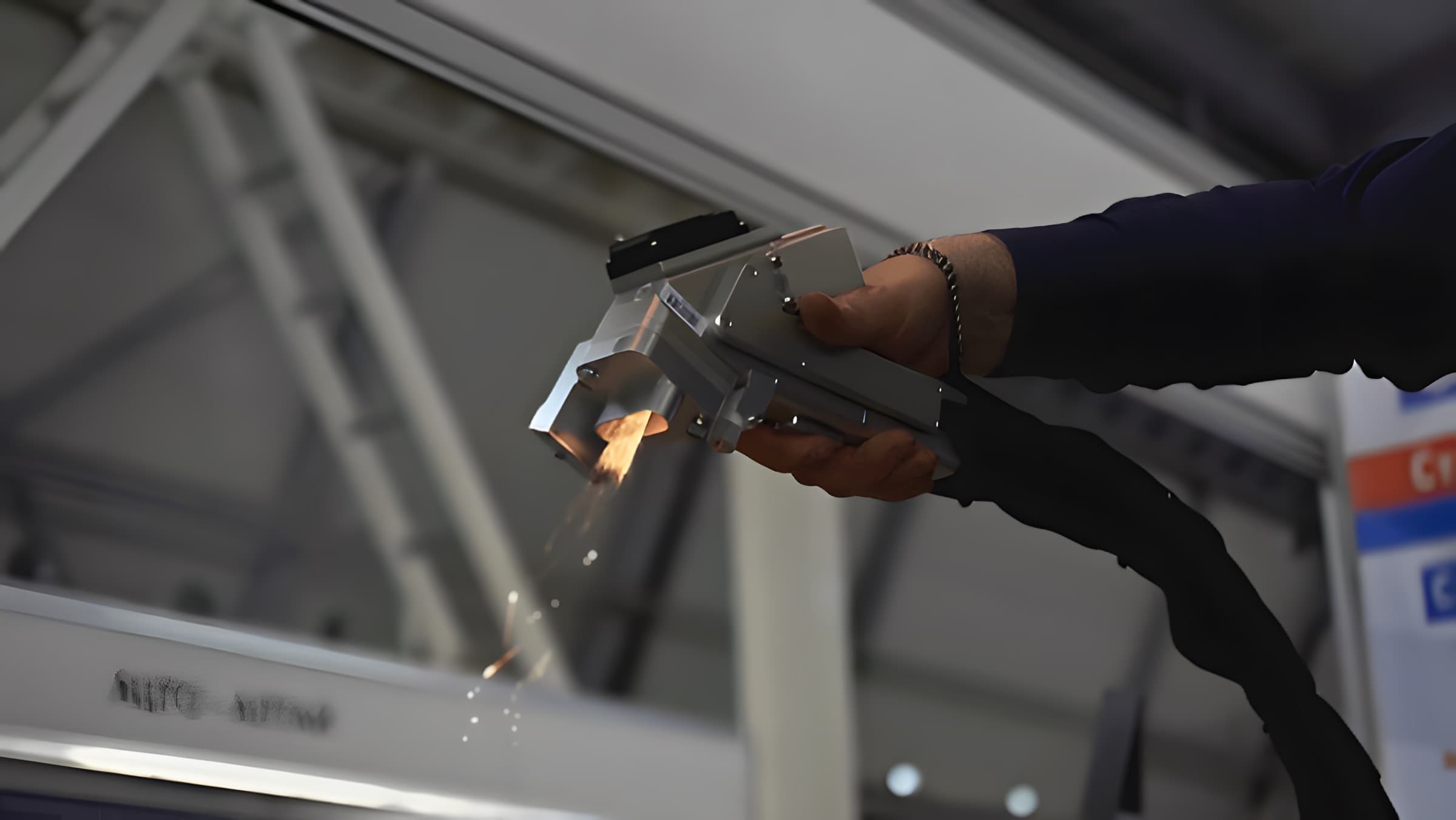
Laser ablation sidesteps the whole framework. No silica is generated. The vaporized oxide is collected through a HEPA-grade vacuum at the laser head. The operator wears roughly the same PPE as a paint technician. WorkSafeBC has no specific category that drives engineered controls on the process because the airborne hazard at structural rust removal levels does not approach action thresholds.
On-site reality across BC structural members
Lower Mainland industrial steel comes with three common conditions: salt-air corrosion on coastal structures, road-salt scaling on bridge components and parkades, and weathered alkyd or red-lead primer on older industrial frames. Each behaves differently under abrasive media versus laser energy.
Salt-air corrosion (think Port Moody waterfront, Annacis Island docks, North Vancouver yards) tends to be shallow but spread across large surface areas. Sandblasting strips it fast but also gouges the underlying steel profile in a way that increases the surface area exposed to the next round of corrosion. Laser pulls the oxide cleanly without touching the parent metal. Measured profile depth stays within 1-3 microns of the original surface.
Road-salt scaling on bridge components is the case where sandblasting traditionally won on raw speed. It still gets specified on Ministry of Transportation jobs through habit. The economics shifted when the BC Construction Safety Alliance started tracking silica-related claims more aggressively around 2022, and when traffic management for containment scaffolding started running $4,000 to $8,000 per shift on most corridors.
Weathered primer on industrial frames is where laser pulls ahead by the widest margin. Old alkyd and red-lead primers do not shatter under laser energy. They soften and lift in millimeter-scale flakes that the vacuum catches at the head. Sandblasting on the same surface generates a mixed waste stream that requires testing for lead content before disposal, and depending on the test result, regulated handling all the way to the landfill gate.
What we charge versus what abrasive crews charge
Real BC pricing for structural steel rust removal, 2026 figures:
Laser cleaning on accessible structural steel: $1,200 to $6,000 per job for member-by-member work on towers, beams, and fittings. Day-rate equivalent lands at roughly $3,800 to $5,200 including mobilization within the Lower Mainland.
Abrasive blasting on the same scope: $3,000 to $11,000 once silica controls, containment, waste disposal, and traffic management are included. The base blasting rate looks competitive at $2,200 to $3,800 per day — the cost lives in the compliance layer wrapped around it.
Three concrete jobs from the last 18 months:
A bridge railing refurbishment in Delta: 240 meters of handrail and post sections, all rust grade B to C. Laser quote $9,200, actual delivery $9,600 with a half-day weather hold. Comparable sandblast quote from the general contractor’s preferred sub: $18,400, with mandatory night work to satisfy traffic management.
A pulp mill conveyor frame on the Sunshine Coast: 18 frame sections plus two drive housings. Laser delivered in 22 hours of operator time at $7,400. The mill had budgeted $16,000 based on prior abrasive work, including the production shift they would have lost to airborne dust controls during occupied operations.
A heritage steel awning on East Hastings: this one mattered for substrate preservation. Original 1920s rolled sections with thin webs. Sandblasting was off the table because of profile damage risk. Chemical strip was rejected by the City of Vancouver heritage planner because of runoff concerns. Laser came in at $4,800 and the heritage inspector signed off on the substrate condition the same day.
Where sandblasting still wins
This is not a clean sweep. Abrasive blasting holds the advantage on a few specific job types in BC, and it pays to be honest about which ones.
Thick-section heavy plate with mill scale (3/4 inch and up, mostly in shipbuilding and pressure vessel fabrication) is one. Abrasive media still strips mill scale faster than fiber laser on raw production economics. North Vancouver and Esquimalt yards run abrasive blast houses for that reason.
Large flat areas under controlled shop conditions is another. A fabricator’s prep bay with permanent containment, dust collection, and recycled steel grit operates at a cost per square meter that handheld laser cannot match. Mobile laser wins when mobilization to site, containment, and disposal get factored in. Shop blasting on a clean indoor surface stays competitive.
Highly profiled grit requirements round out the list. Certain coating specifications call for a 3 to 4 mil anchor profile that abrasive blasting produces directly. Laser cleaning leaves a near-white finish with minimal profile, and on jobs where the spec writer locked in NACE No. 1 / SSPC-SP 5 with a specific Ra value, sandblasting is the path of least resistance.
For everything in between: coastal corrosion maintenance, bridge refurbishment without full repaint cycles, heritage and historic steel, industrial frames during occupied operations, transmission infrastructure refresh. Laser has either taken the work or is taking it.
What to ask when a structural rust quote hits your desk
Four questions facility managers and project managers in BC should run through every quote:
What is the containment plan, and who covers it if WorkSafeBC walks in? On any sandblast quote that omits a written exposure control plan, this is the silent risk. If the original spec was scoped before the silica rule tightened, the sub may be quoting old numbers and absorbing the gap.
What is the waste disposal line? Spent abrasive media that contacted lead-bearing paint becomes regulated waste in BC. Testing alone runs $400 to $900 per sample. Disposal lands at $0.85 to $1.40 per kilogram if it tests as hazardous, which weathered industrial steel often does.
What is the downtime cost on adjacent operations? A bridge that can be cleaned in daylight without traffic closure beats one that needs night-shift surcharges. A processing plant that does not need to shut down ventilation during work beats one that loses a full shift to dust control.
What does the substrate look like afterward? Sandblasting changes the surface profile permanently. If the asset has a 30-year service life remaining and will be re-coated in cycles, every blast cuts into wall thickness. Laser leaves the parent metal untouched, which matters for assets you plan to keep in service through several recoat windows.
Why coastal BC environments push the math harder
Climate adds a finger on the scale. Salt-laden air on the South Coast accelerates rust return on any rough-profile substrate. A bridge handrail in Richmond that was sandblasted to a 3 mil profile and recoated will start showing pinpoint rust at the profile peaks within 4 to 6 years, faster on north-facing surfaces. The same handrail cleaned with laser and recoated holds longer because the surface stays nearer to its original mill profile.
This compounds over the life of any coastal asset. Port-facing transmission infrastructure, marine fittings, dock structures, parkade beams in waterfront properties: the asset owner who switches to laser on the first major intervention typically sees recoat cycles stretch 30 to 40 percent before the next rust treatment is needed. That is a number that shows up on the building owner’s 10-year capital plan, not on the original quote.
What we bring to a BC structural job
Laser Sharks runs WorkSafeBC compliant, fully insured to $5M general liability, with operators certified on fiber laser systems up to 2000W. The team has handled structural rust removal on tank farms in Surrey, bridge components for two BC municipalities, transmission infrastructure for utility contractors, and heritage steel across Vancouver and Victoria. Dual technology on the truck means laser on coatings and rust, plus dry ice blasting for residues the laser does not address (oils, soot, biofilm). One mobilization, two processes, one invoice.
Site assessments in the Lower Mainland are free within 50 km of our Burnaby base. We provide a written scope and price within 48 hours of the walk-through, with breakdowns on equipment hours, mobilization, and any consumables. If the job sits outside our wheelhouse (heavy mill scale on plate, deep profile specs for NACE 1), we say so and point toward a fabricator with shop blast facilities.
Where to take it next
If you have a structural steel asset coming up for rust treatment or recoating, the most useful thing is a real walk-through against the spec. Drawings or a few site photos through the quote form will get a written assessment back in 48 hours covering both laser and, where applicable, hybrid laser plus dry ice scope.
For a sense of what finished work looks like on bridges, towers, and heavy industrial frames in Greater Vancouver, the project gallery has before-and-after pulls from recent jobs.
For background on the process itself, including access, power requirements, and on-site setup time, the laser cleaning service page walks through the technical side at the level a project manager needs to scope a job.
Common questions
Is laser rust removal good for structural steel?
On members where the surface or coating spec matters, yes. On raw structural steel headed straight for primer, abrasive blasting is still faster and cheaper.
How did the WorkSafeBC silica rule change rust removal costs?
It added mandatory containment and monitoring to abrasive work, which pushed the all-in cost up and narrowed the gap with laser.
Why is coastal BC harder on structural steel?
Salt air accelerates corrosion and leaves chloride in the metal, so cleaning has to remove the salts, not just the visible rust, to stop it coming back.
Related reading
- How BC Plants Remove Industrial Rust Without Damaging Steel
- Laser Cleaning vs Sandblasting: When Each One Wins
- Laser Rust Removal in Canada: A BC Manufacturer’s Guide
Compare options for your site with our laser cleaning service, or request a quote.