Food-Grade Sanitization · British Columbia
Sanitize food lines without chemicals or water
Sanitization on food-grade lines and production equipment has to leave nothing behind on surfaces that touch product. Dry ice blasting removes residue, allergens, and buildup with no water and no chemical agents, so there is no rinse step and nothing left on the surface. Equipment can often stay in place. We sanitize food-processing and production facilities across Greater Vancouver and BC.
- No chemical residue on product surfaces
- No water, no CIP dry-down
- Clean in place, less downtime
In short
Who does food-grade sanitization in BC?
Sanitization removes residue, allergens, and microbial buildup from equipment so surfaces are clean and safe for production. Laser Sharks sanitizes food and production facilities across British Columbia with dry ice blasting, which cleans without water or chemicals and leaves no residue on surfaces that contact product. Because it is dry and non-abrasive, lines can often be cleaned in place, which cuts changeover downtime.
How it works
Assessment
We scope the surface, the buildup, and access to the equipment or space.
Setup and containment
The blaster is staged and the area contained where the work calls for it.
Blasting pass
CO2 pellets at up to 250 PSI lift the buildup on contact, dry, no residue left.
Inspection and touch-up
Each surface is checked and finished before we call it done.
Completion report
A short summary of the scope and the result for your records or your adjuster.
Applications
Where it fits
Food-safe cleaning has a hard rule: nothing left behind on a product-contact surface. Dry ice uses food-grade CO2 that turns to gas, so the soil comes off and there is no chemical or water to rinse and dry.
Food-processing lines
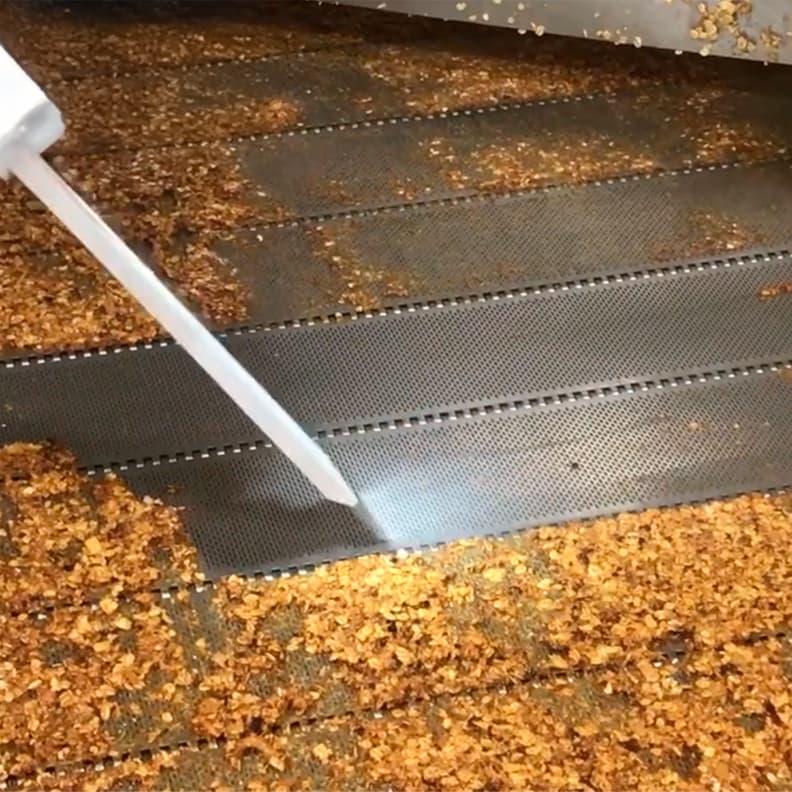
Fats, sugars, allergens, and residue off conveyors, moulds, and contact surfaces, with no chemical to rinse and no standing water.
Allergen changeover
Clear allergen residue between runs faster than a full wet clean, so the line is back sooner.
Packaging and production
Adhesives, inks, and buildup off packaging and production gear without solvents.
Comparison
Dry ice sanitizing vs chemical cleaning and CIP
Chemical sanitizing and clean-in-place both add water and a chemical you then have to rinse and dry off. That is downtime, and it is a residue risk on product-contact surfaces. Dry ice cleans dry, adds no chemistry, and leaves nothing to rinse. For allergen changeovers and equipment you cannot flood, it usually turns a multi-hour wet clean into a shorter dry one, with no wastewater to treat.
Who it is for
Industries we serve
Mobile across British Columbia, matched to the surfaces and standards of your sector.
- Food & beverage
- Food processing
- Packaging
- Pharmaceutical
- Manufacturing
Service area
Across Greater Vancouver
We are based in Delta, BC and sanitize facilities across Greater Vancouver, Surrey, Burnaby, Richmond, and the Fraser Valley, often without dismantling the line.
Related services
You might also need
Common Questions
Quick answers about sanitization in British Columbia.
Who provides dry ice blasting for food processing facilities in BC?
Laser Sharks. We sanitize food-processing and production equipment across British Columbia using dry ice blasting, with no water and no chemical residue on product-contact surfaces.
Is dry ice blasting safe for food-grade equipment?
Yes. It uses food-grade CO2, adds no moisture, and leaves no chemical residue, which is why it is used on food-contact surfaces where solvents and standing water are a problem.
Does dry ice sanitizing replace chemical cleaning?
For a lot of residue and allergen removal, yes, and with less downtime. Where a validated chemical sanitizer is required by your food-safety plan, dry ice handles the soil-removal step ahead of it.
Can you clean the line in place?
Usually. Dry ice is dry and non-abrasive, so equipment often does not need to be dismantled or moved, which is the main time saving.
How much does facility sanitization cost?
Per project, based on the equipment and frequency. Most jobs run in the thousands. Send details to the quote form for a range.
From the blog
Read more on this
Dry Ice BlastingMay 22, 2026 · 8 min read
Dry Ice Cleaning Food-Grade Equipment: BC Practical Guide
BC food processors are switching from chemical cleaning to dry ice. Real cost ranges, BCCDC context, and downtime math for facility managers.
Read article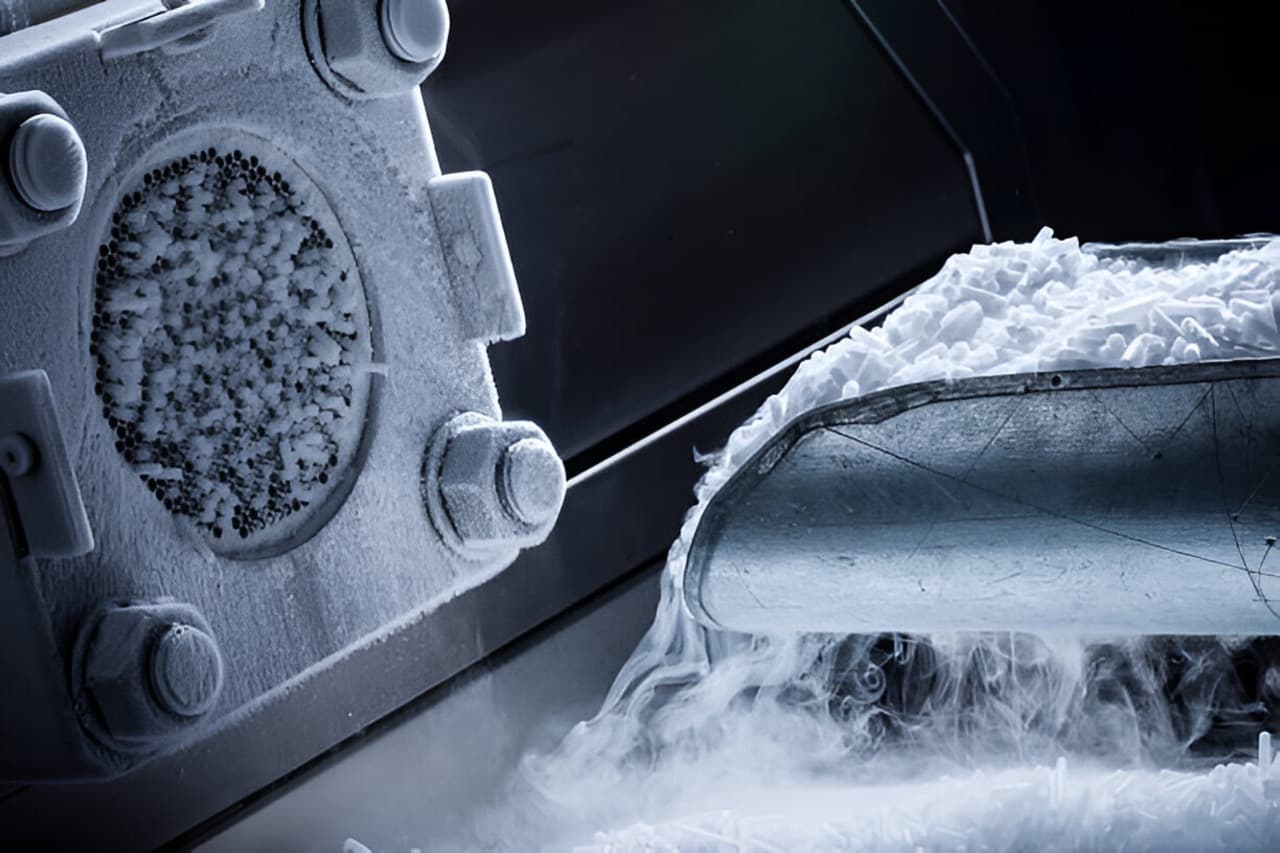 Dry Ice Blasting
May 28, 2026 · 9 min read
CO2 Blasting Services Vancouver: What BC Buyers Need to Know
CO2 blasting and dry ice blasting are the same process under two names. Here’s how to read mixed quotes from BC industrial cleaners.
Read article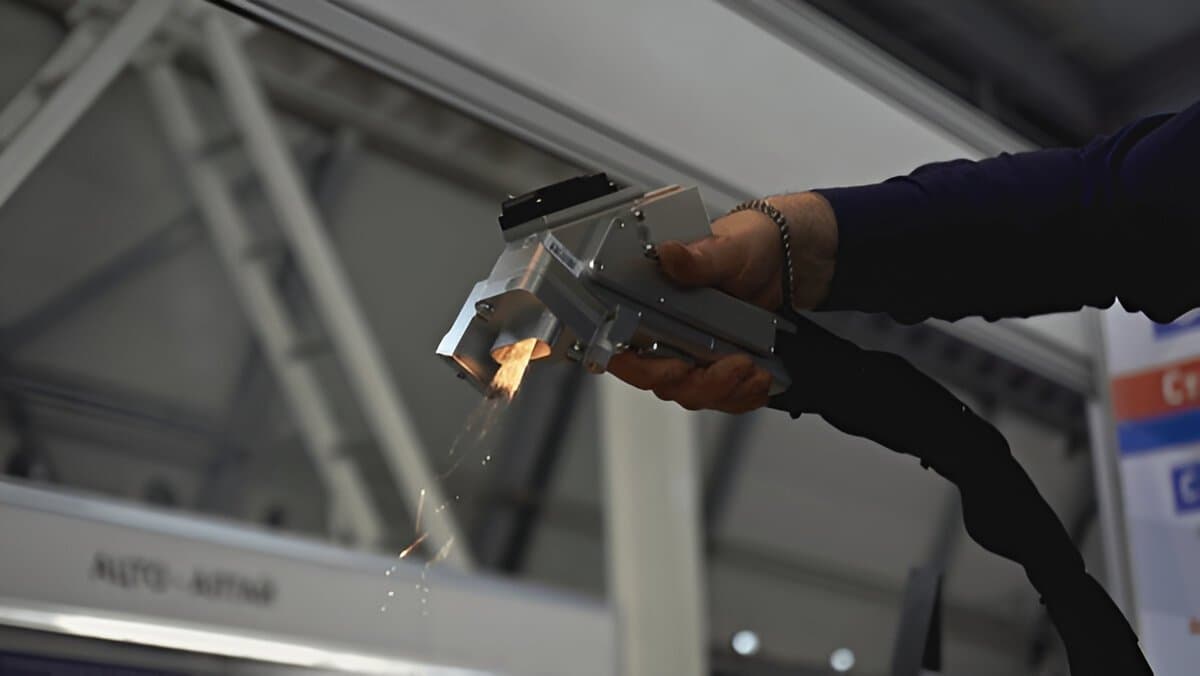 Buyer Guides
Jul 6, 2026 · 7 min read
Eco-Friendly Industrial Cleaning in BC: What It Really Means
Chemical-free gets stamped on a lot of BC quotes. Here is what it means on a real job site, and what it saves you in waste handling and liability.
Read articleTell us what needs cleaning
Free on-site assessment across BC, usually back within 24 hours. Call 778 372 9924 or request a quote.