Brewery equipment cleaning in BC used to mean one thing: caustic, acid, hot water, and a shift of downtime you didn’t want to pay for. That’s shifted over the last decade, and it started with the parts of a brewhouse where CIP was never quite enough.
The tank crew at a Port Moody craft brewery had a decision to make on a Thursday afternoon last spring. Two hop stone reactors were fouled with a caked layer of resin and yeast the CIP loop wasn’t touching. The choice was another overnight caustic recirculation and pray, or bring in dry ice blasting during the Friday brewing gap and be back on the tank by Saturday morning. They picked the second option. The reactors were clean in four hours, no rinse cycle, no water added to the drain.
That’s the shift I’ve watched happen across BC craft breweries and small food processors. Dry ice blasting hasn’t replaced clean-in-place. It’s replaced the parts of CIP that never quite worked.
Where CIP is enough, and where it isn’t
Clean-in-place cycles are still the right tool for what they were built for. Fermentation tanks with a good spray ball pattern. Closed piping. Plate heat exchangers with proper velocity through the channels. If the geometry is right and the fouling is fresh, a caustic-plus-acid cycle running at 2% concentration and 65°C moves fast.
The problem is everything CIP wasn’t built for.
Kettles with baked-on trub around the calandria. Whirlpool tangential inlets with hop debris crusted at odd angles. Bottling line stars and cams coated with sugar residue that turns to varnish under the machine’s own heat. Conveyors carrying yeast slurry that drips through slat gaps and hardens under drive motors nobody wants to unbolt. Packaging heads on can seamers where a light film of lubricant traps flour or malt dust into a paste no rinse-in-place system reaches.
For all of that, the tradition in BC breweries has been the same for twenty years. Shut the line, open access panels, put two people with scrapers and food-grade solvent on it for four to eight hours. Sometimes six. Sometimes the shift lead runs the risk of a caustic soak on a part that shouldn’t see caustic.
Dry ice blasting replaces the manual scraping stage on nearly all of that work. And it does it without water, without added chemical, and without downtime for teardown-cleanup-reassembly.
What dry ice actually does on brewery gear
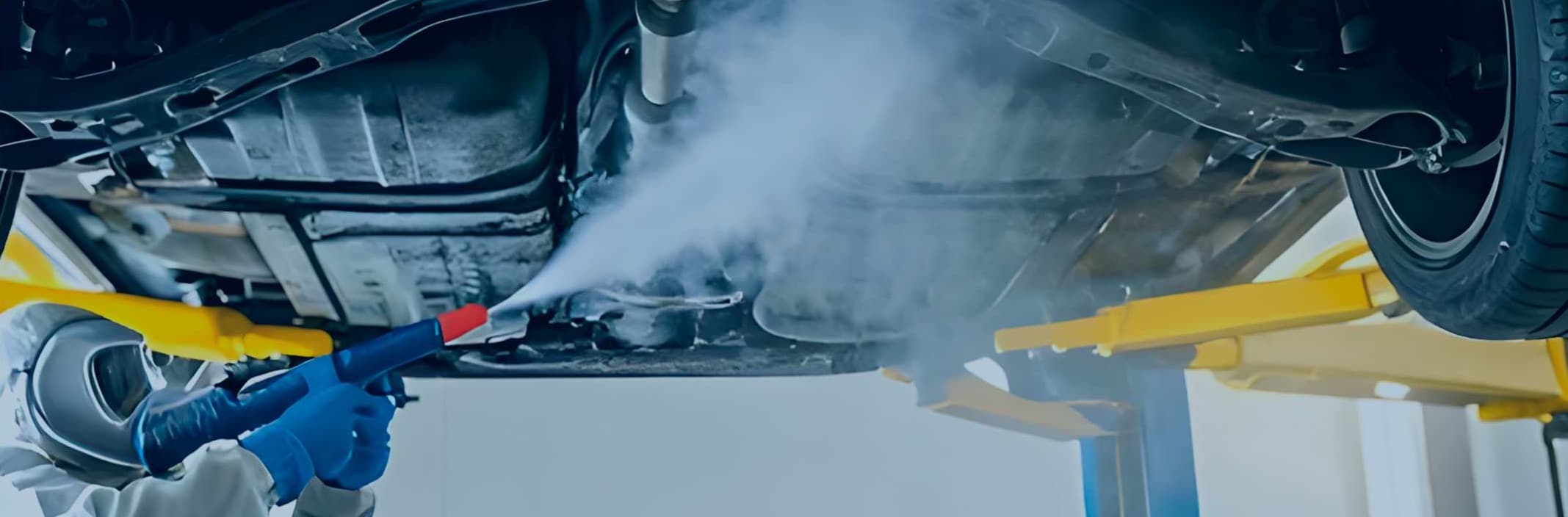
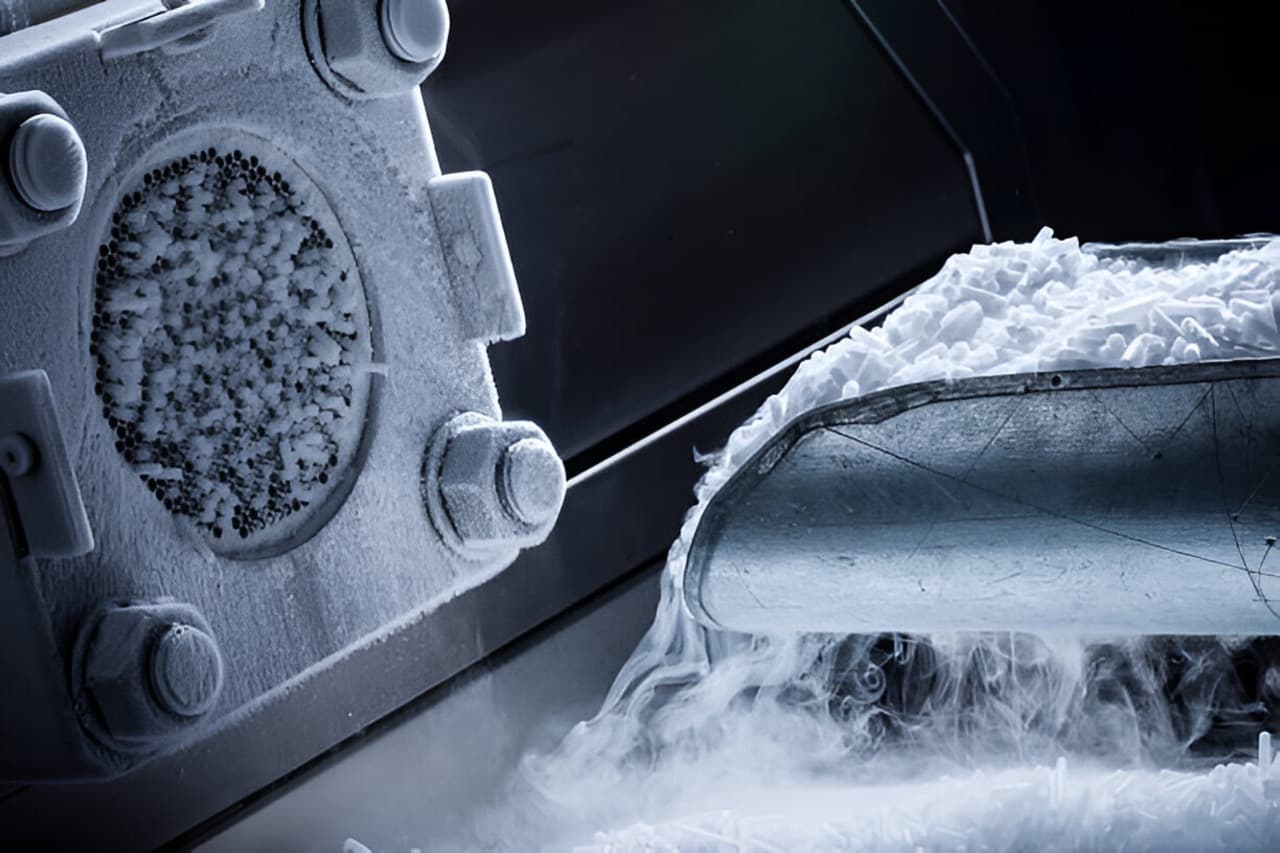
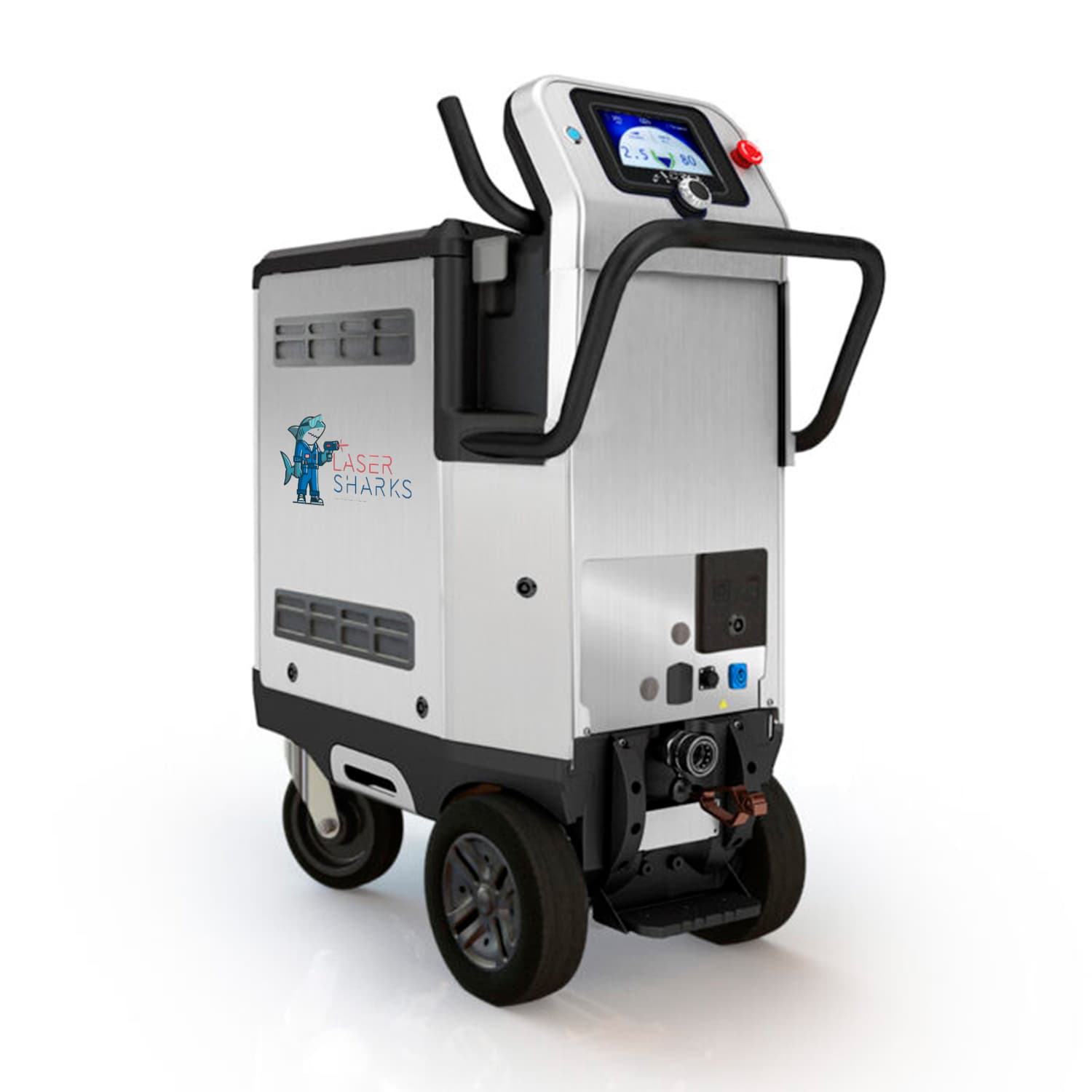
Dry ice pellets (solid CO2 at -78°C) hit the fouling and do three things at once. They freeze the residue and make it brittle. They lift it off the substrate through thermal shock as the surface temperature drops. And the pellet sublimates on impact, expanding roughly 800 times in volume, mechanically flicking the debris off. What’s left behind is a dry surface and a pile of loose residue on the floor that gets swept up.
On a brewery kettle, that means the trub layer around the calandria comes off in ten to twenty minutes per square meter, working through a service hatch, no man-entry needed for anything you can reach with the wand. On a bottling line, star wheels and change parts don’t need to be pulled and soaked. They get blasted in place at a reduced pellet size and the line is running again in half a shift.
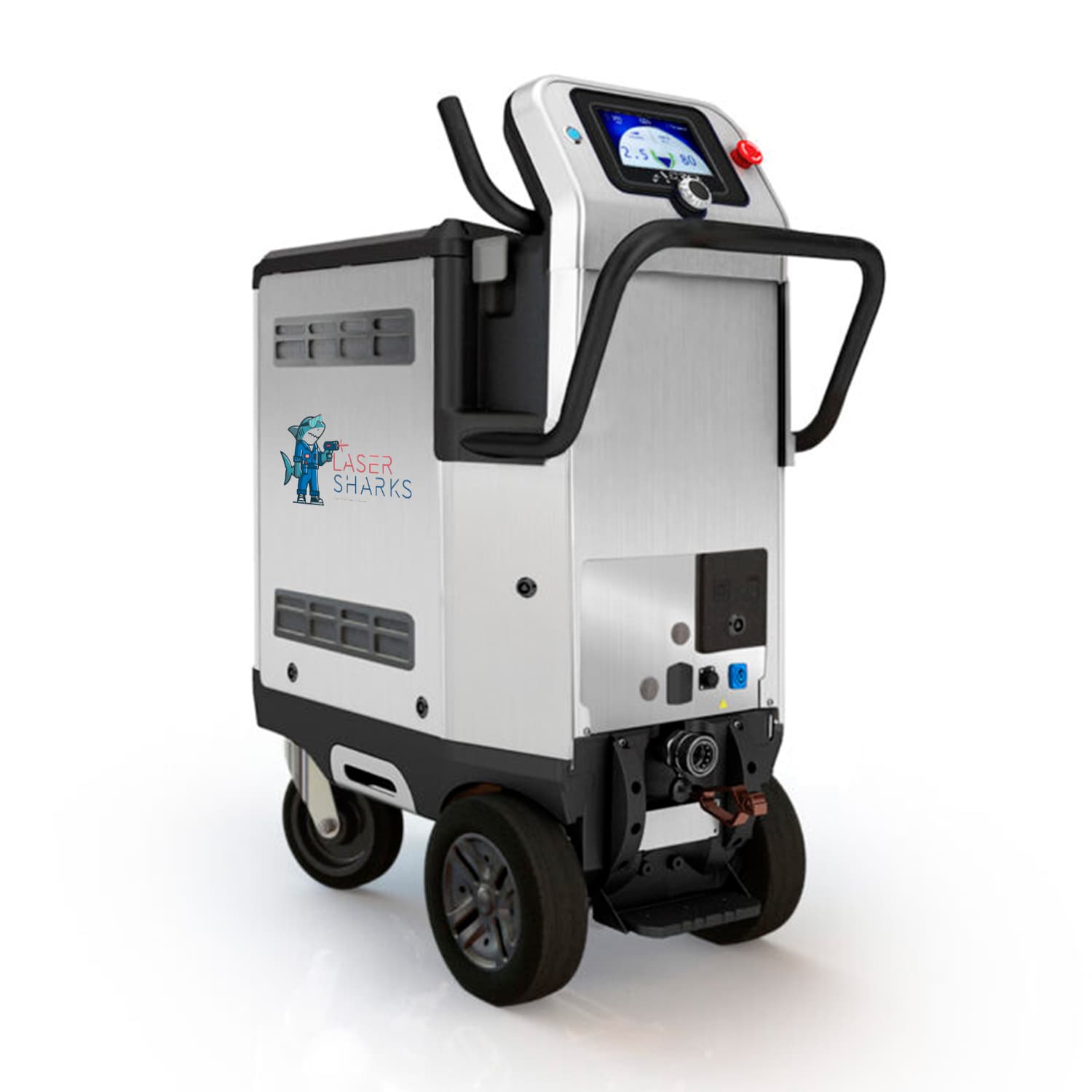
The one thing that surprises new operators is how loud it is. Around 100-110 dB at the wand. Hearing protection is non-negotiable, and the crew wears NIOSH-rated respirators because you’re aerosolizing whatever the CO2 lifts off the surface. Ventilation matters too. CO2 pools low in confined spaces, which is why any tank work needs a monitor and a spotter, and why we won’t run dry ice in a closed cellar without forced air movement.
Why food plants and breweries are switching parts of the process
Three drivers, in order of how often I hear them from BC plant managers.
Downtime. A caustic soak on a fouled kettle typically means the brewhouse sits for eight to twelve hours. A dry ice pass on the same job runs three to five hours and produces sublimation vapour, not chemical runoff, so operators can come back in as soon as the atmosphere clears. On a two-vessel brewhouse doing five turns a week, giving back six hours in the schedule pays for the contractor call in one weekend.
Audit posture. CFIA and BCCDC inspectors in BC are increasingly reading residue swabs on food-contact surfaces. Chemical CIP done well is fine. Chemical CIP done in a rush leaves surfactant traces. Dry ice leaves nothing but the original surface. When an inspector opens a packaging head six months from a re-audit and swabs the underside of a filler nozzle, "we last cleaned that with CO2 pellets" is a shorter conversation than "we used a quat sanitizer at concentration X for contact time Y."
Environmental footprint. No water going down the drain to municipal treatment. No caustic neutralization. No spent solvent to manifest. For food plants under ESG reporting or Fisheries Act sensitivity, and there are more of those in BC every year, the waste side of the ledger looks a lot better.
The downtime math worth writing down
Take a mid-size BC brewery producing 6,000 hL a year. Kettle cleaning is scheduled quarterly. Traditional teardown-and-CIP: one full shift plus a partial the next day, call it 14 hours of brewhouse downtime, at roughly $180-$220 per hour of lost production value. That’s around $2,600 per event, or $10,400 a year.
Dry ice blasting on the same kettle: four to six hours during a Friday gap, no teardown. Contractor fee runs $2,200-$3,800 per event depending on access and surface area. Downtime cost drops to roughly $900. Net per event, once you subtract the contractor fee, is usually break-even to a small saving. The operational win is putting the cleaning on a schedule the head brewer controls, not one that eats into a production window.
For a food plant running a packaging line at $400-$600 per hour of throughput, the numbers get harder to argue against. A six-hour packaging line teardown becomes a two-hour on-machine blast during a shift change.
Real pricing brackets in BC
Every job varies with access, surface area, and residue thickness. But the ranges I quote to BC food and beverage clients in 2026 sit here:
- Small brewhouse kettle or whirlpool, single visit: $1,800-$3,500
- Bottling or canning line, one segment, on-machine cleaning: $2,000-$4,200
- Packaging head or seamer, deep clean before audit: $1,500-$3,000
- Full brewhouse walkthrough (kettle plus whirlpool plus heat exchangers): $4,500-$8,000
What drives the top of each bracket: overnight or weekend scheduling premium, confined-space entry protocols, hard-to-reach geometry that eats through more pellets per hour, and travel to sites outside the Lower Mainland. What keeps you at the low end: planned shutdown windows, ground-level access, and a plant that already has forced ventilation on the work area.
The parts of a brewery we won’t touch with dry ice
Straight talk. Dry ice isn’t right for everything.
Membrane filtration modules don’t like thermal shock. We won’t blast a plate-and-frame filter or a cross-flow cartridge. The CIP loop is doing the right job there. Rubber hoses and food-grade gaskets in place will stiffen and crack under repeated dry ice exposure, so those come off first. Painted surfaces on outer tank shells will lift the coating if the operator holds the wand too close, which is why we bracket paint work as a separate scope with a different pellet size.
And the fermentation tank interior itself is usually left alone. A properly designed CIP loop with the right spray ball coverage handles fresh yeast and beer stone. Dry ice on tank interiors is a niche play, reserved for tanks where CIP failed and stone has built up beyond acid rinse recovery.
What the day of the work looks like
For a plant manager scheduling their first dry ice job, here’s the typical rhythm at a Burnaby, Delta, or Richmond food-processing site.
Pre-visit. We walk the equipment, look at ceiling clearance and floor drainage, confirm ventilation, and mark up a scope. That visit is normally an hour, at no charge inside the Lower Mainland.
Day of work. The truck arrives with a pellet blaster, one to three pallets of dry ice depending on job size, and a two-person crew. Setup takes 30-45 minutes including tarping any adjacent equipment we don’t want dust on. The blast itself runs continuously. A small kettle takes about three hours of active work. Cleanup at the end is a vacuum sweep and a walkthrough with the plant lead.
You’re back in production the moment the CO2 vapour clears, usually within 20 minutes of the last blast with ventilation running.
Trust and compliance context
Everything we do runs to WorkSafeBC standards for confined space entry, hearing conservation, and respiratory protection. All work is fully insured, and the crew is background-checked for food plant access. Ten-plus years of industrial cleaning across Greater Vancouver means we’ve walked through most of the plant layouts that exist here. Port Moody craft brewhouses. Delta food processing rooms. Richmond packaging halls. North Vancouver bottling lines. Insurance certificates and safety documentation are available before we set foot on-site.
For plants that need documentation for a CFIA audit trail, we provide a service report per job listing equipment cleaned, method, and residue verification if the client wants a swab test done before we leave.
When to call
If you’re running a BC brewery or food plant and you’re looking at either an unscheduled deep-clean, a caustic cycle that isn’t clearing residue, or an upcoming audit with equipment you can’t easily disassemble, dry ice blasting is worth pricing against your current method. We can walk through a scope and quote most jobs within a week for scheduled work and inside 48 hours for urgent calls.
Learn more about our dry ice blasting service or get a quote for your plant.