By mid-November the maintenance lead at a food plant in Delta has usually watched two numbers drift. The gas bill is higher than the cold snap explains, and the boiler’s stack temperature sits 20 or 30 degrees above where it was after the last service. On the roof, the air-cooled condenser for the freezer runs its fans harder every week while the compressors work against rising head pressure. Both point to fouled heat transfer surfaces. Heat exchanger cleaning with dry ice is how a lot of BC plants deal with that in the one window they get each year: the shutdown between Christmas and New Year.
A shutdown gives you a few days of cold, locked-out equipment and nobody waiting on product. Dry ice blasting fits that window because it adds no water, uses no acid or solvent, and leaves nothing behind except the deposit it knocked off. There is no drying time before restart and no drum of spent cleaning solution to neutralize and haul away. It also has hard limits. Book it for the wrong kind of fouling and you lose part of a window you only get once a year.
What fouls heat exchangers in Lower Mainland plants
Most of what we see in Greater Vancouver falls into four types, and they behave very differently under a dry ice nozzle.
Coils foul on the air side. Rooftop condensers, fin-fan coolers, compressor aftercoolers and generator radiators pull in whatever floats past. Along the Fraser in Richmond and Delta that means cottonwood fluff every June, which mats into the face of the coil and then catches dust for the rest of the year. Near a commercial kitchen or a fryer line you get grease from the exhaust fans on top of that. On Annacis Island or the North Vancouver waterfront, add salt. By November the coil face carries a felt-like layer glued to the fins with oily grime.
Tube bundles in process plants foul on the shell side, where the product runs. Oil, polymer, sugar, protein and sludge build on the outside of the tubes, on the baffles and on the tube sheet faces. Once the bundle is pulled, most of that is within reach.
Boilers foul on the fireside. A natural gas boiler with a well-tuned burner stays fairly clean, but a burner running rich can lay soot on the tubes and tube sheets in weeks. Biomass boilers at sawmills along the Fraser and at greenhouses in Delta and the Fraser Valley build fly ash and sticky deposits on tubes, economizer fins and smoke boxes between every cleaning.
The fourth type is water-side scale: calcium and silica left inside tubes and drums by hard or poorly treated water. Hold that one aside for a moment.
What dry ice removes, and what it can’t reach
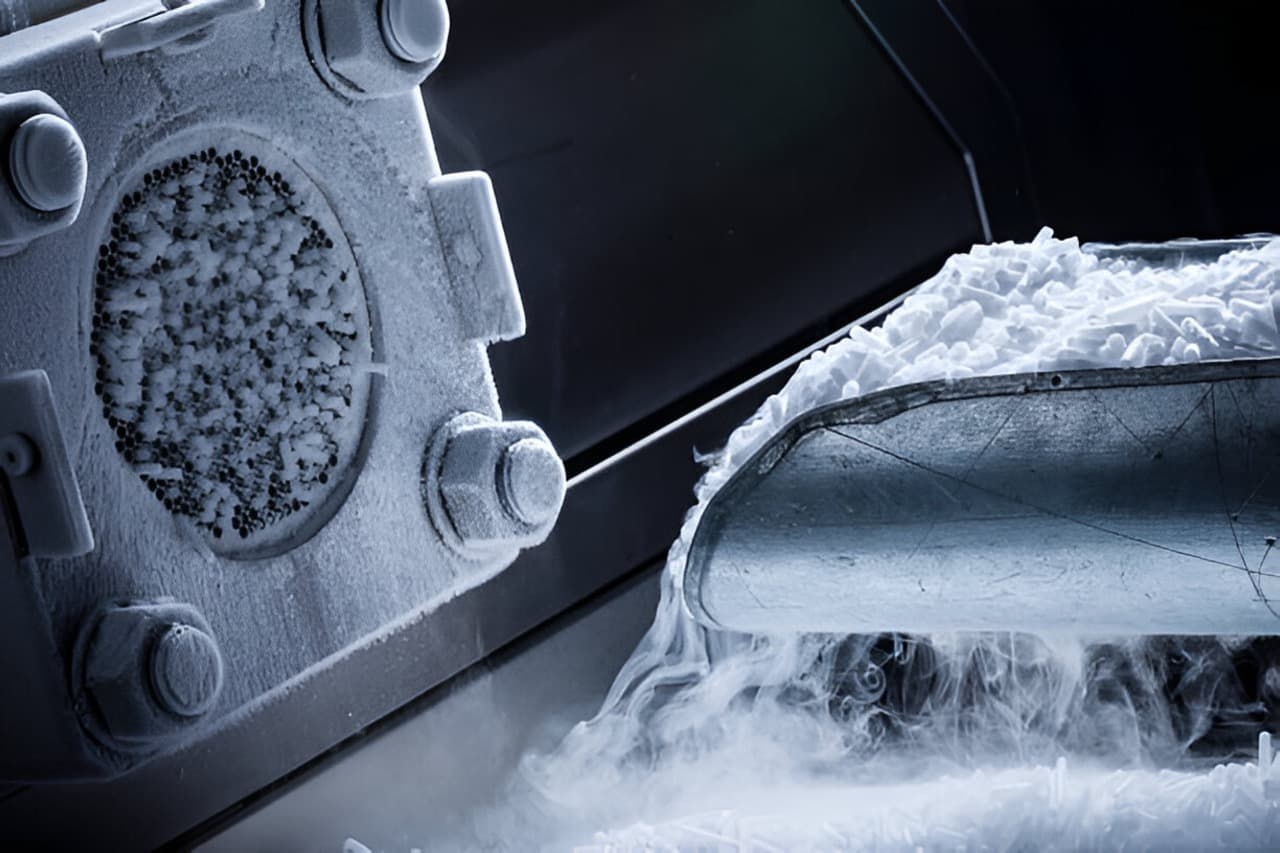
Dry ice pellets hit the surface at -78.5 °C. The cold makes the deposit brittle and shrink against the warmer metal under it, the impact cracks it, and the pellet turns straight to gas and expands, which lifts the pieces off. The method suits deposits that are soft or brittle and sit on a surface the nozzle can see: soot, loose ash, oily dust, matted lint, baked-on product, light biofilm.
There are two limits we explain at the site visit.
The first is line of sight. Dry ice cleans the face of a coil, a tube sheet, a channel head and the outside of the outer tube rows. It will not travel six metres down the inside of a 19 mm tube and clean the bore. Fire-tube boiler tubes still get brushed or lanced. On pulled bundles, a square-pitch tube layout leaves straight lanes between the rows that the stream can work into, while a tight triangular-pitch bundle with heavy shell-side fouling usually still needs a hydroblasting bay.
The second is hard mineral scale. Dry ice is non-abrasive, which is why it doesn’t scratch stainless plates or bend thin fins, and the same property means it won’t take off well-bonded calcium carbonate or silica scale. If the problem is on the water side, the right call is chemical descaling or hydro-lancing by a contractor who does that work. We say so at the site visit and leave that part to them.
In practice, most plants that call us in November need both: dry ice on the air side and fireside, plus a water-side contractor for the tube bores. Book them into the same shutdown and sequence them so the two crews aren’t in the same space at once.
Coils and fins: why dry ice beats a pressure washer
The usual way to clean a dirty condenser coil is a pump sprayer of alkaline coil cleaner and then a pressure washer. On light dust it works. On a coil packed with cottonwood and grease it causes problems. The water pushes the mat deeper into the coil core, where nobody can reach it. Pressure flattens the aluminum fins, and a coil with folded fins can lose as much airflow as a dirty one. The runoff, carrying cleaner, oil and grime, goes into the nearest roof drain, and most storm drains in Metro Vancouver run to creeks, the Fraser or Burrard Inlet without treatment.
We blast from the leaving-air side of the coil, so the debris comes back out the way it went in. Pressure is set low enough that the fins stay straight, and the nozzle stays square to the fin direction. Fan motors and electrical boxes get covered, and they never get soaked. What lands on the roof is dry lint and grime, which we sweep up and bag. No chemical cleaner touches the coil, and a food plant’s auditor will ask what went on the cold storage equipment.
Boiler fireside cleaning in a shutdown
Boiler work in a shutdown usually lines up with an inspection. Boilers and pressure vessels in BC fall under Technical Safety BC, and when a boiler is opened for an internal inspection, the inspector needs clean metal to look at. Getting the fireside cleaned before that appointment saves a second visit and a second outage.
On a fire-tube boiler, dry ice handles the front and rear tube sheets, the smoke box, the burner assembly and the combustion air fan housing, while the tubes themselves get brushed. On water-tube and biomass boilers we reach tube banks through the access doors, along with economizer fins and ash hoppers. We keep the stream off refractory and insulation, which can crack or erode under it. Fused slag on a biomass boiler needs mechanical removal first, and dry ice cleans what is left.
The fuel math is why plants bother. Boiler technicians use a rough rule: every 22 °C or so of extra stack temperature costs about one percent of efficiency. Take a greenhouse in Delta spending $30,000 a month on natural gas through January. Two percent lost to a sooted fireside is $600 a month, or roughly $3,000 over a five-month heating season. A fireside cleaning on that boiler costs about the same, so it pays for itself inside one winter.
Safety on boiler work is mostly the owner’s program, and we work inside it. A firebox, drum or economizer housing is a confined space under WorkSafeBC rules, so the entry needs a hazard assessment, a written procedure, lockout of the fuel train and feedwater, and an attendant at the door. Dry ice adds CO2 to that space. Because CO2 is heavier than air, it collects in the bottom of a firebox or drum, and the WorkSafeBC exposure limit for carbon dioxide is 5,000 ppm averaged over an eight-hour shift. We run forced ventilation and personal CO2 monitors for as long as anyone is blasting inside. Noise is the other hazard: well over 100 dBA at the nozzle, so anyone nearby wears hearing protection.
Shutdown hours: dry ice against the alternatives
Picture a shell-and-tube exchanger at a processing plant on Annacis Island. The bundle has carbon steel tubes and an oily shell-side deposit, and it comes out during the holiday shutdown.
Sending it to an offsite hydroblasting bay means a truck both ways and two to four days, longer in the last week of December when shops close early. The bundle comes back wet, and bare carbon steel left wet in a BC December starts to flash rust within hours. A chemical clean skips the trucking but runs on its own clock: circulation time, then neutralizing, rinsing, pH checks and hauling the spent solution away under BC’s Hazardous Waste Regulation.
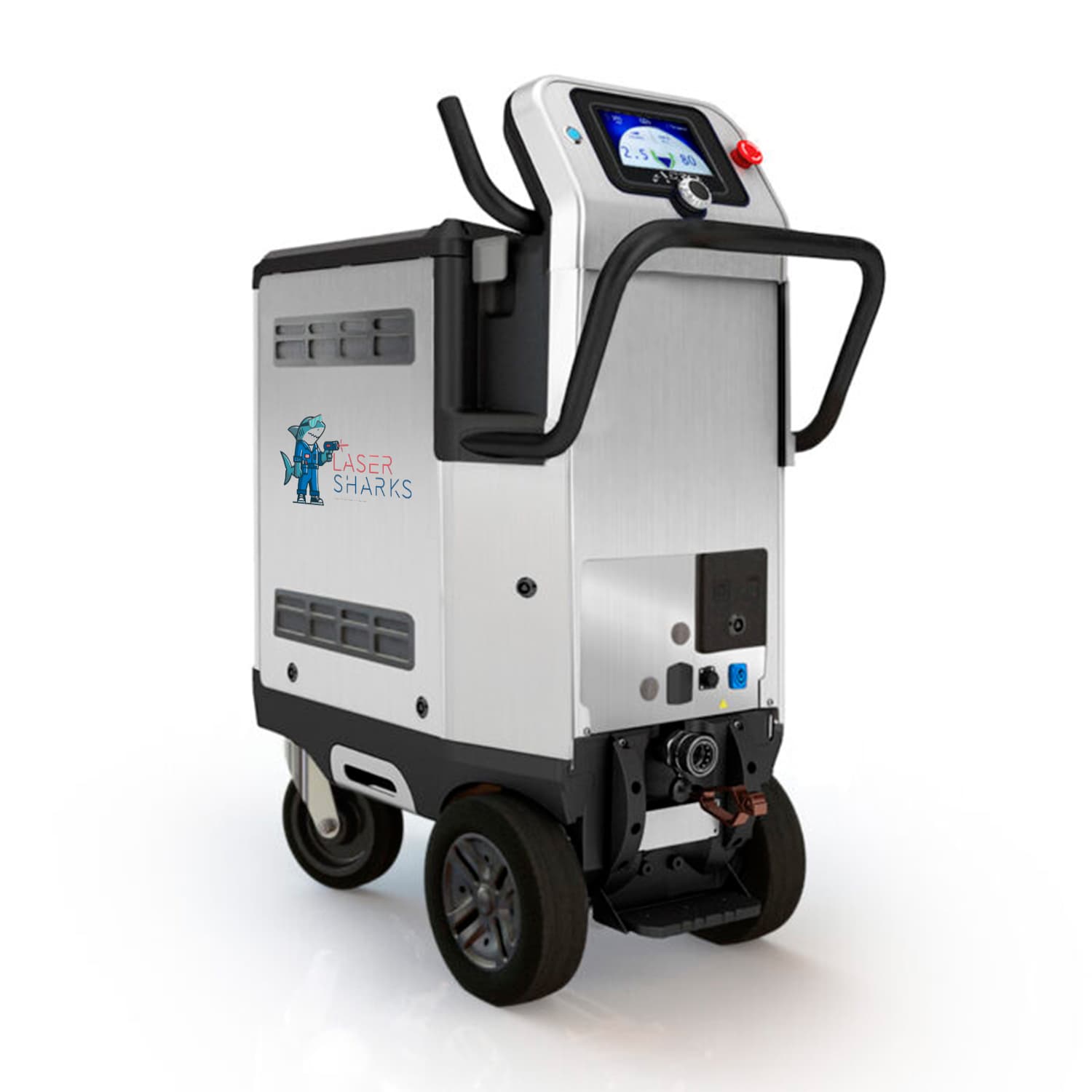
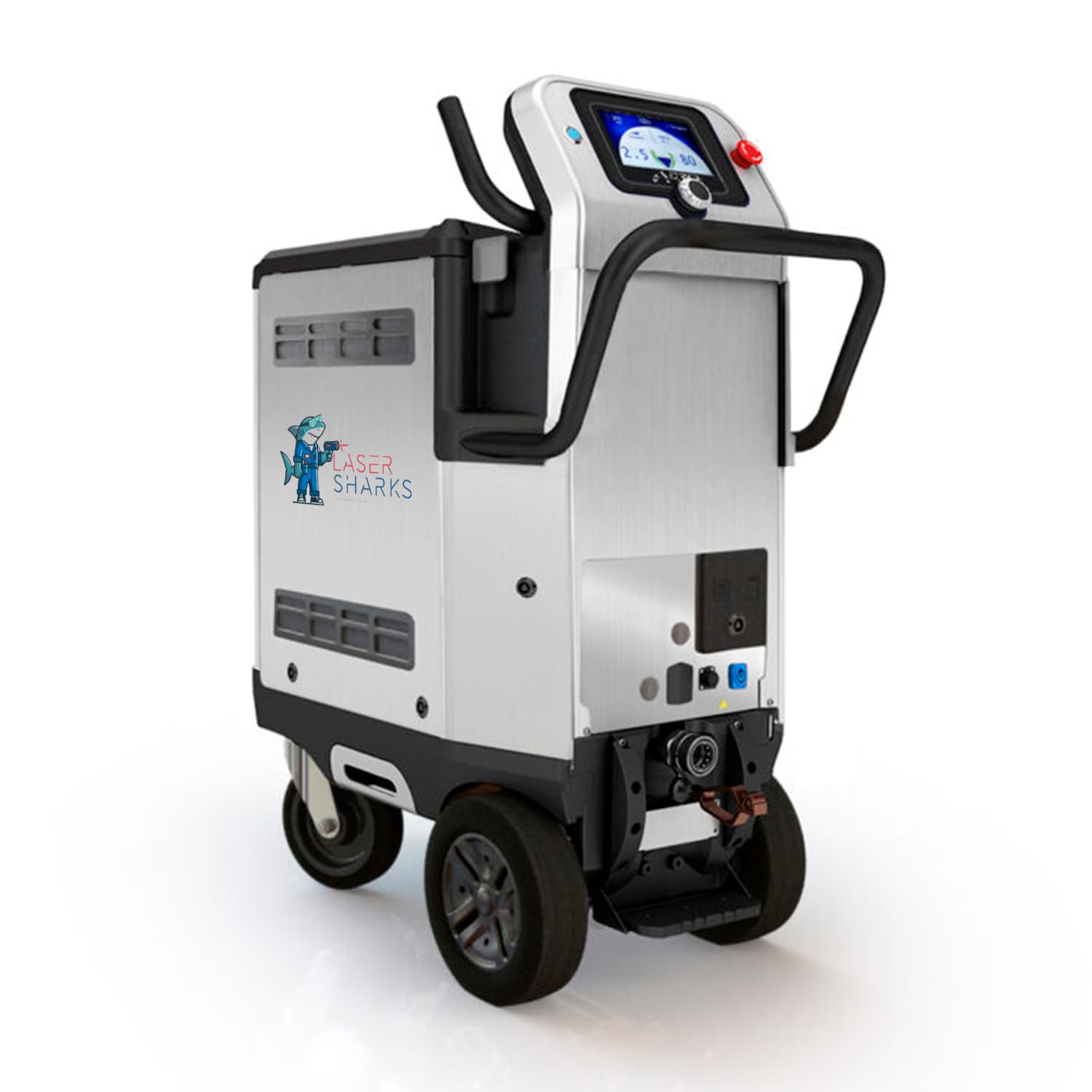
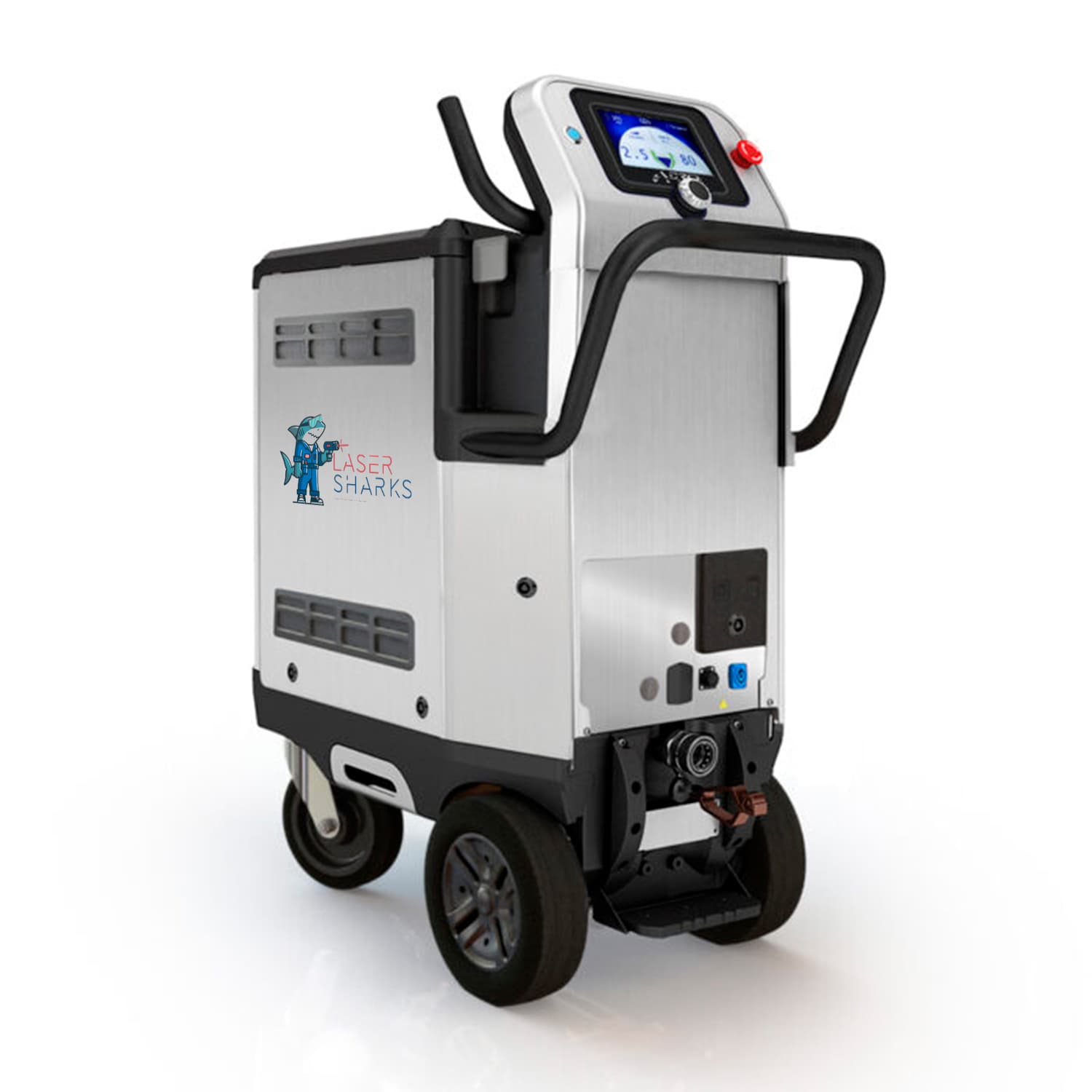
On the laydown pad next to the exchanger, a two-person dry ice crew typically cleans the tube sheets, channel head and the reachable rows of a mid-size bundle in four to eight hours. Nothing has to dry and nothing has to be neutralized, so the bundle can go back in the same shift. The pellets are made from CO2 recovered from other industrial processes, and once they sublimate the only waste left is the deposit on the tarp.
A holiday shutdown changes the downtime math. The plant is down anyway, so blasting hours cost nothing in lost production until the window closes. The expensive part is overrun. Say the line behind that exchanger carries $3,000 an hour in margin. If restart slips a day because the bundle is still at a shop or the rinse failed its pH check, that one day costs $72,000. In a shutdown, a crew that finishes on the hour it promised is worth more than a lower hourly rate, and dry ice is easy to schedule tightly because there is no drying or neutralizing step at the end.
If heat exchangers are one item on a longer list, our guide to industrial equipment cleaning for BC plant shutdowns covers how to sequence the trades and lock the scope before the window opens.
What heat exchanger and boiler cleaning costs in BC
Most of these jobs fall inside the $1,500 to $8,000 range we quote for dry ice work across Greater Vancouver. Rough brackets:
- A rooftop condenser or a set of fin-fan coils, one to four sections, with clear access: $1,500 to $3,500. Our half-day minimum sets the floor.
- One pulled shell-and-tube bundle, tube sheets and channel heads included: $2,500 to $6,000, depending on size and how heavy the deposit is.
- The fireside of a small or mid-size commercial boiler, with burner, smoke box and economizer: $3,000 to $8,000. Biomass boilers with heavy ash sit at the top of that range and can go past it when the work runs over one shift.
A few things move a quote by half in either direction. Access is the big one: a rooftop unit that needs a boom lift adds $800 to $1,200 a day. Confined space entry adds crew hours for the attendant and the ventilation setup. Compressed air matters too. Our machines want 200 to 400 CFM at 100 to 120 psi, and if the plant system can’t spare that, we bring a diesel compressor at $400 to $800 a day. Then there is the ice itself, 40 to 70 kilograms per hour of blasting at about $3 to $5 a kilogram delivered.
Booking the December window
The last two weeks of December fill early. Most plants in the Lower Mainland with a holiday shutdown want their maintenance done in the same ten days, and dry ice supply follows the same calendar: pellets lose weight in storage every day, so holiday deliveries have to be ordered ahead.
To quote heat exchanger or boiler cleaning, we need the equipment type and nameplate, photos of the deposit, how the unit is reached, your compressor capacity, whether your program treats the space as confined, and the date of any boiler inspection. For anything confined or on a roof we do a site visit first, and we can blast a test patch so you see the result on your own equipment before you commit the shutdown days.
Laser Sharks crews are WorkSafeBC compliant and fully insured, and they work under your site’s safety program on every job. The company was named CBRB Best Cleaning Services in BC for 2025. We clean coils, bundles and boiler firesides across Richmond, Delta, Burnaby, Surrey, North Vancouver and the Fraser Valley.
Send the details through our quote form or call 236-660-4248. We will tell you which part of the job dry ice can do in your shutdown, and which part belongs to a water-side contractor.