A 1968 Mustang fastback came into a Burnaby shop last spring with the rear quarter panel buckled from a previous owner’s media blast attempt. Original GM-spec sheet metal, about 22 gauge, does not survive 100 PSI silica blasting from a guy with two days of YouTube experience. The owner had paid $4,200 for a “full strip” and ended up needing another $9,000 in panel replacement before paint could even start.
That story plays out across the Lower Mainland every restoration season. Classic car restoration cleaning in Vancouver is not the same job as cleaning a fleet truck or a piece of mining equipment. The substrate is thinner. The tolerances are tighter. The buyer cares about original VIN tags, factory paint marks under primer, hand-applied seam sealer, and tooling marks that prove the car has never been chopped. Once those are gone, the resale drops by 20-40% depending on the marque.
Same physics applies to wood-and-fiberglass boats coming out of False Creek or Coal Harbour for hull refit. The gelcoat is 0.5 to 0.7 mm thick. A pressure washer at the wrong angle goes through it.
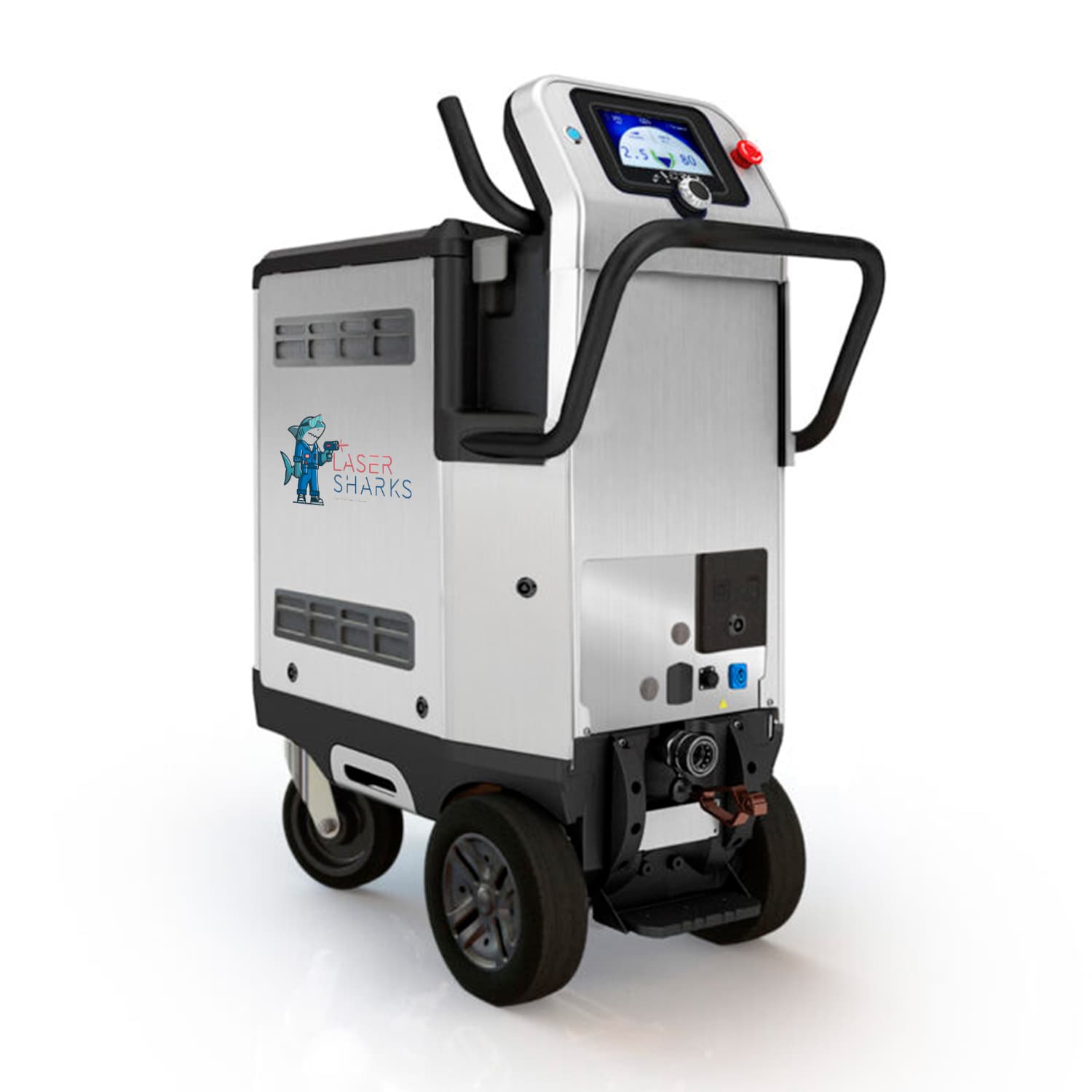
This is the niche where laser cleaning and dry ice blasting have started replacing soda blast, walnut shell, and sand for any BC restorer who wants the panel back without distortion.
What restoration shops actually need from a cleaning service
Most calls we take from classic vehicle and marine restoration shops fall into four buckets.
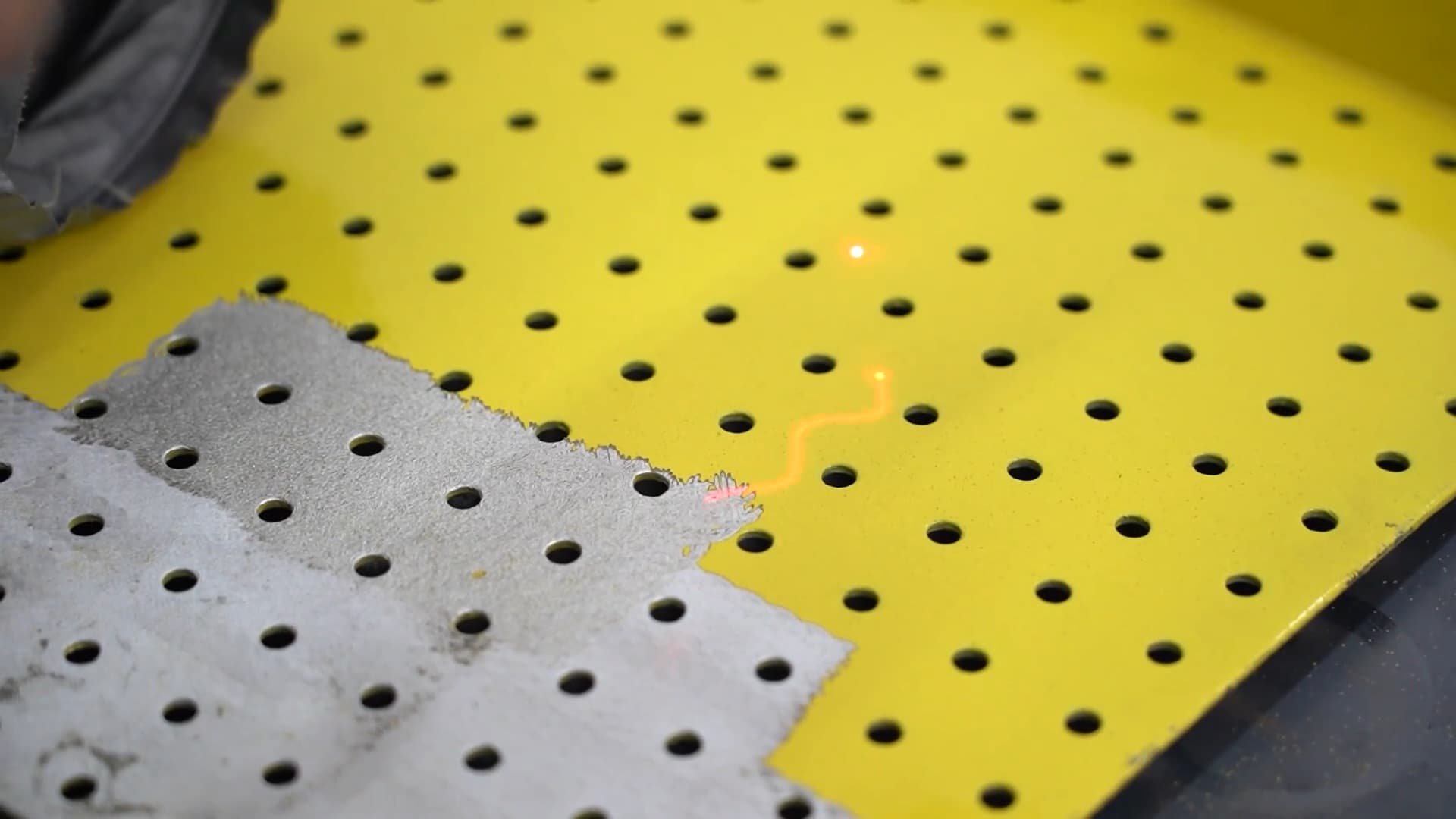
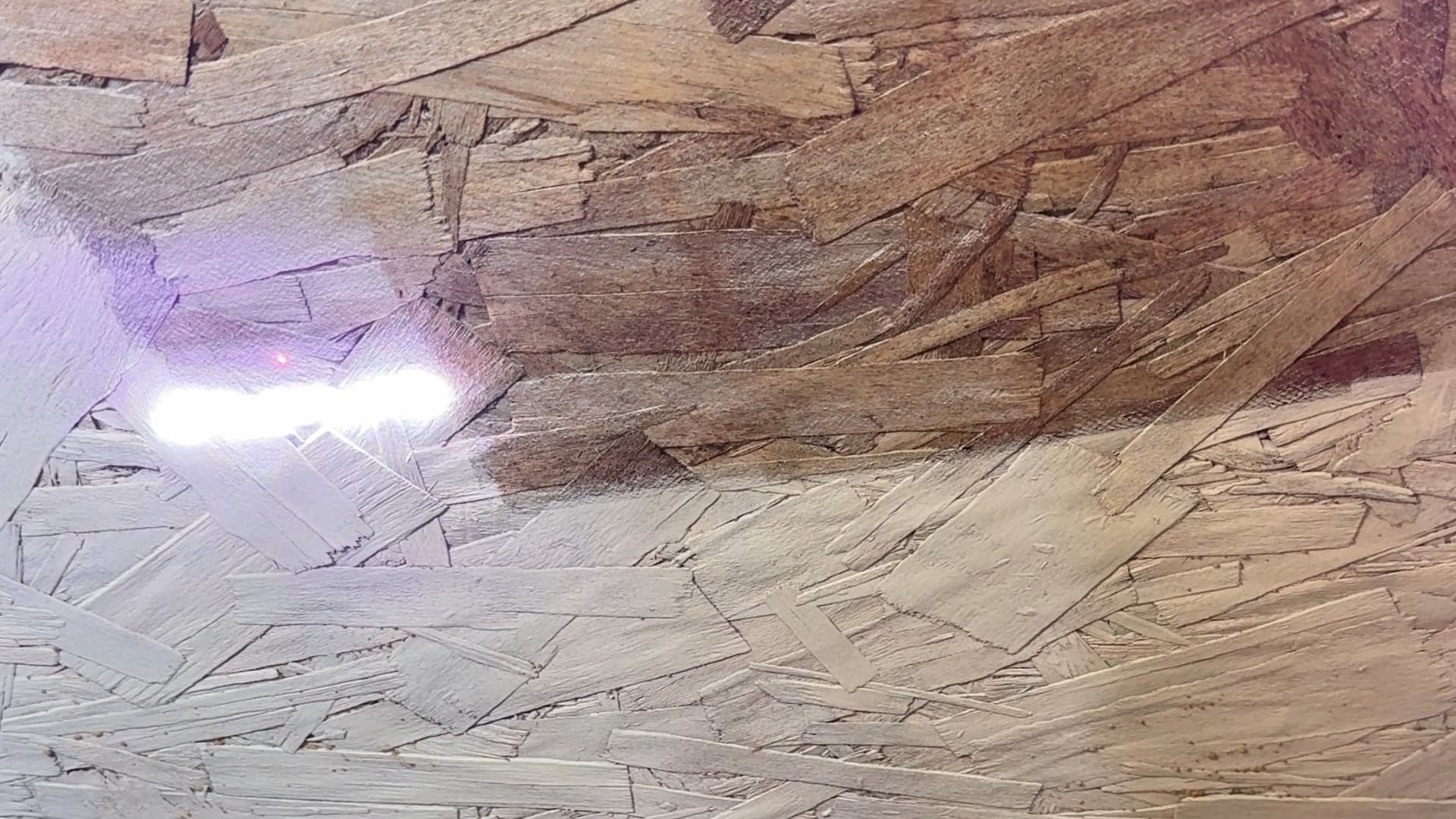
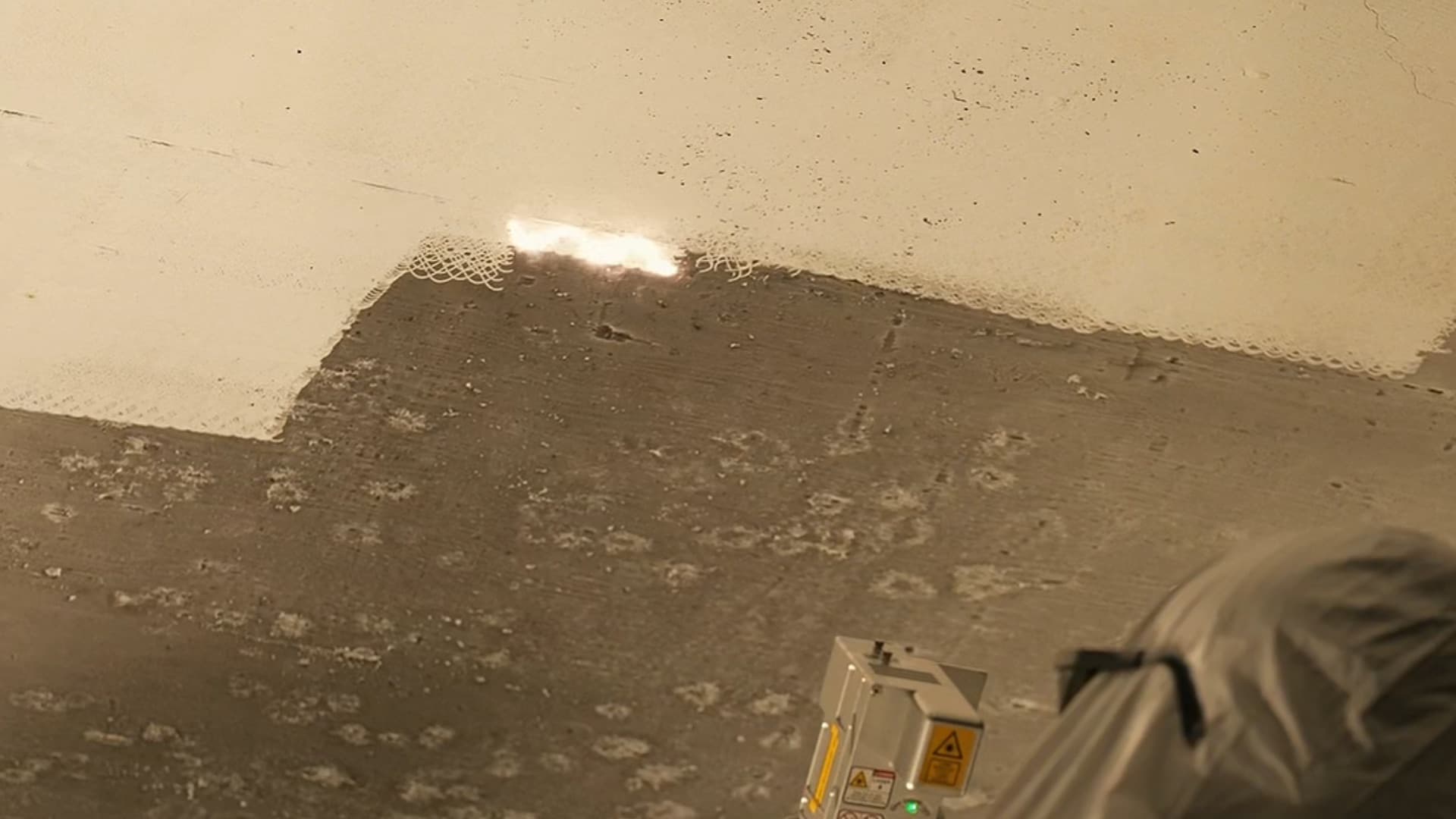
Paint stripping without warping. Older sheet metal at 18 to 22 gauge flexes under heat. Sand and soda blasting at the pressure needed to lift modern epoxy will dimple the panel. The dimples show under fresh paint. Laser cleaning runs cool. Pulses are microseconds long, with cool-down time between each. A skilled operator can strip a 1970s door skin without raising the panel temperature past 60°C.
Engine bay degreasing without solvents. A 50-year-old engine bay has decades of oil seepage, undercoating, and surface rust on the firewall. Solvent-soaked rags work but contaminate the soft trim. Dry ice blasting lifts oil and surface contamination clean off cast iron, aluminum, and painted firewalls without adding moisture or chemical residue. The CO₂ pellets sublimate, turning straight to gas, so no media is left behind to vacuum out of the chassis afterward.
Chrome and stainless trim preservation. Chrome trim on a ’67 Camaro is original-stamping irreplaceable. Hand polishing eats hours and still leaves micro-scratches. Soft-pellet dry ice removes oxidation, road tar, and wax buildup without touching the chrome surface itself.
Aluminum and pot-metal cleaning. Carburetors, valve covers, intake manifolds. Bead blast pits the surface. Glass bead embeds in soft alloys. Laser at low fluence lifts surface oxidation off pot metal without dimensional change.
Why the wrong method is the most common failure
Vancouver and Surrey have a handful of well-regarded restoration shops that have been around 30+ years, plus a much larger number of newer outfits and hobbyist-grade operators. The damage we see most often comes from three places.
Sand blasting at too-high pressure on a non-structural panel. The operator sets pressure for a frame rail and uses the same setting on a door skin. The door is scrap within minutes.
Soda blasting that wasn’t properly neutralized after the strip. Soda residue trapped in seams pulls moisture for years and pushes paint off from underneath. We see cars that were professionally restored 5 years ago bubbling along the rocker seams now.
Pressure washing on a wooden boat hull or a fiberglass deck. The 4000 PSI tip strips wax and gelcoat in equal measure, then water gets behind the bedding compound at every hardware mounting point.
Laser and dry ice get around all three problems because they leave no media behind. Nothing to neutralize. Nothing to dig out of seams. Nothing that pulls moisture.
What it costs in BC
Restoration cleaning is priced per area, per material complexity, and per access difficulty. Real ranges from Greater Vancouver jobs over the past two years:
-
Full body shell paint strip on a classic car, laser. $3,500 to $9,000 CAD depending on size, layer count, and whether undercoating is involved. A Mustang or early Mopar with 4-6 layers of paint plus tar undercoating sits at the higher end. A small European sports car with original single-stage paint comes in lower.
-
Engine bay degrease, dry ice. $800 to $2,200 CAD. Driven by how much undercoating overspray is in the bay and how many ancillaries need to come off first.
-
Chassis and frame rust removal, laser. $1,800 to $5,500 CAD for full underside. WorkSafeBC silica exposure rules make this much cheaper than sandblast equivalents once you factor in containment, respirator-fit testing, and media disposal at hazardous-waste rates.
-
Boat hull cleaning above the waterline, dry ice. $1,500 to $4,000 CAD for a 30-foot sailboat or motor cruiser. Removes salt, oxidation, and bottom-paint creep without touching gelcoat thickness.
-
Marine hardware cleaning, dry ice. $400 to $1,200 CAD for winches, cleats, stanchions, and deck fittings on a typical recreational vessel.
These are working ranges, not sticker prices. Every restoration job needs a site or photo assessment before the quote is real.
How the silica rule changed the cost math
WorkSafeBC enforces respirable crystalline silica exposure limits at 0.025 mg/m³ as an 8-hour time-weighted average. For traditional abrasive blasting on steel, actual airborne silica from media breakdown alone often runs 3-10x that limit before you add the lead and chromate fines from old automotive paint.
The compliance path for a sand or grit blast operator includes air monitoring, full containment tarping, supplied-air respirators with annual fit testing, and disposal of used media as hazardous waste because it now carries lead plus the silica fines. By the time a legitimate blast operator finishes that cost stack, the per-hour rate is double or triple what it was 15 years ago.
Laser cleaning and dry ice blasting both side-step silica entirely. No abrasive media. No containment requirement on most restoration jobs. The vapor and dust generated are pulled at the point of generation through a HEPA-filtered extractor. WorkSafeBC inspectors who visit our sites don’t pull out the silica forms. There is nothing to test.
That regulatory gap is the single biggest reason BC restoration shops have moved away from sand and grit blasting in the last five years. The cleaning is better. The compliance is easier.
What goes into a quote
When a restoration shop or private collector calls us, we ask the same five questions before pricing:
- Year, make, model, and what is original on the vehicle. Original sheet metal needs a lighter touch than a panel that has already been replaced.
- Current paint and primer layer count. Single-stage lacquer is one removal pass. Six layers including epoxy, body filler, urethane, and clear coat are six different passes with different settings.
- Substrate condition. Surface rust is a quick lift. Through-rust with pinholes needs panel-replacement planning before we touch it.
- Access. Shop visit, our facility, or mobile. Mobile work on a private property runs about 20-30% higher to cover transport and on-site setup.
- Timeline. Most restoration projects are not in a hurry, which gives us flexibility to schedule around higher-priority commercial work and pass the saving back. A rush job is priced as a rush job.
Photos from multiple angles plus closeups of any visible rust pitting answer most of those questions before the site visit.
Where restoration shops are clustering in the Lower Mainland
Burnaby and Surrey hold the highest concentration of mid-size restoration outfits, with enough shop floor for project cars and enough access for delivery. Mount Pleasant and Strathcona run boutique operators working on European cars and motorcycles. North Vancouver and Richmond pull marine restoration through their proximity to moorage at False Creek, Coal Harbour, and the Fraser River.
We do a mix of in-house work at our Greater Vancouver facility and mobile cleaning at the restoration shop’s own bay. For body and chassis work, the shop generally wants the car in their own space to keep the project moving. For specific components like manifolds, valve covers, carburetors, and deck hardware, owners ship them to us or drop them off.
Trust and insurance basics
We carry the general liability and WorkSafeBC coverage expected on any industrial cleaning job. Over 10 years of operating in BC industrial cleaning. Equipment is owned outright rather than rented, so service quality stays consistent across jobs. Operators have completed factory training on the laser and dry ice systems we run.
Restoration work in particular requires us to document before-and-after condition on every piece. We photograph each panel and component before cleaning and again after. The shop owner gets the file. If a panel is unsuitable for cleaning because it is too thin, too far gone, or too far modified, we will say so before starting rather than damage it and argue afterward.
When to call
If you are quoting a customer on a restoration project and the strip method is the deciding cost variable, send us photos. If a previous shop has already damaged a panel with abrasive blasting and you are deciding between repair and replacement, a closeup helps us tell you whether the panel is recoverable.
Walk-in quotes and site assessments are free across Greater Vancouver. For projects outside Burnaby, Vancouver, Richmond, Surrey, and North Vancouver, we still travel but quote the mobile premium up front.
Get a written quote at lsharks.ca/quote or see recent restoration work in our gallery. For more on the laser cleaning process and substrate compatibility, the service page covers method selection in detail.
Common questions
What do restoration shops need from a cleaning service?
Paint, rust, and coating removal that does not warp panels or pit the metal underneath. The wrong method is the most common failure.
Why is the wrong method the biggest risk on classic cars?
Aggressive media warps thin panels and stresses cast fittings. A gentler, tuned process removes the contaminant without touching the parent metal.
How did the silica rule change the cost math?
Containment requirements on abrasive work raised its all-in cost, which narrowed the price gap with laser and dry ice methods.
Related reading
- CO2 Blasting Services Vancouver: What BC Buyers Need to Know
- Dry Ice Blasting in Vancouver: When BC Manufacturers Choose It Over Sandblasting
Compare options for your site with our dry ice blasting service, or request a quote.