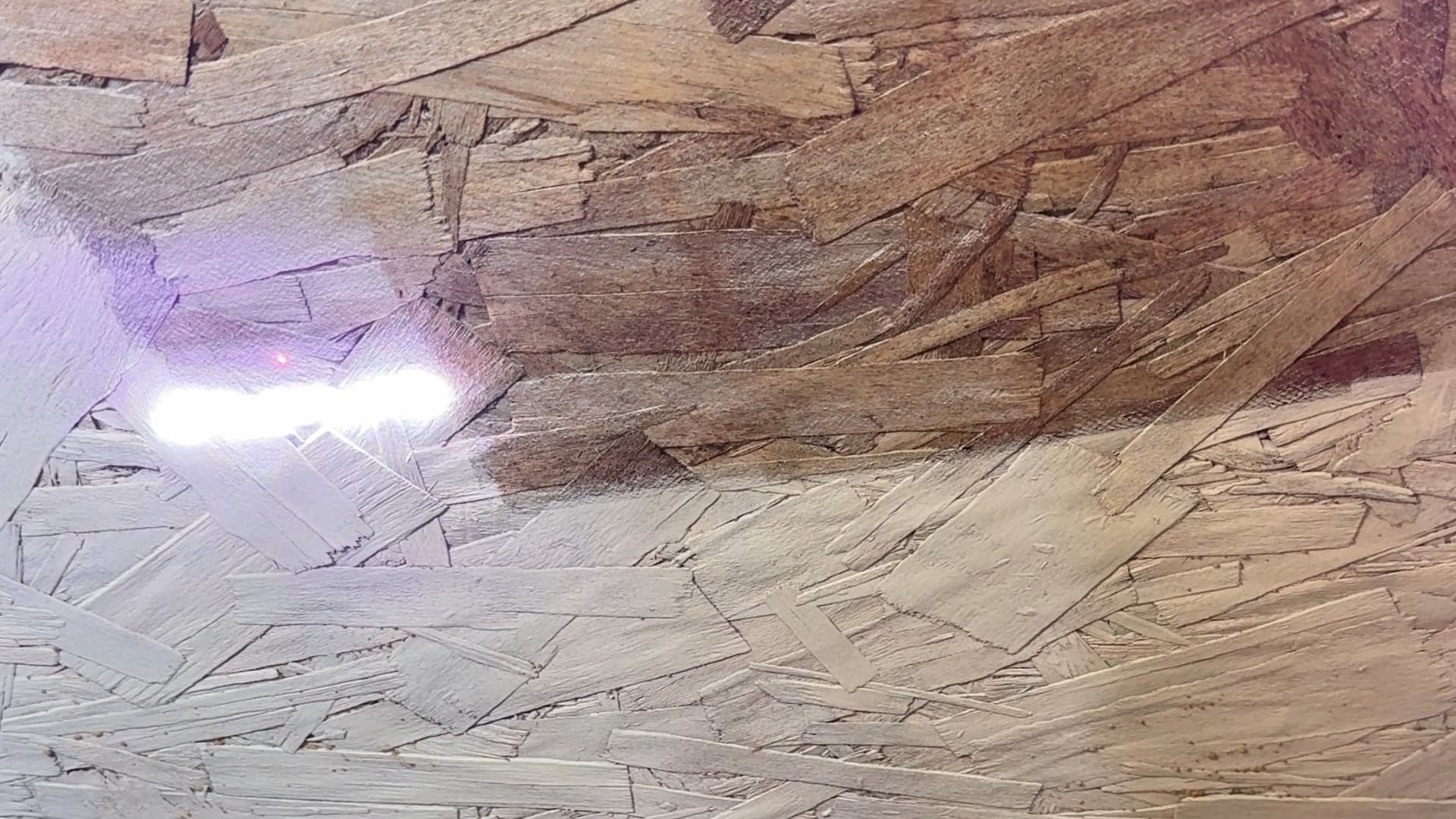
A property manager in Gastown called me in April about a tag on the sandstone base of a 1909 warehouse on Water Street. Not about the tag itself. The tag had been "removed" three weeks earlier by a general graffiti contractor with a gel stripper and a pressure washer, and now the wall showed a grey ghost of the same lettering, a size larger than the original, sitting in the pores of the stone.
The City heritage planner had already seen it.
That is the version of graffiti removal on a heritage building in Vancouver that costs real money. The first visit was $450. Getting the ghost out of the sandstone, with a conservation photo record for the planner’s file, ran closer to $3,800. And the ghost only came out because nobody had blasted the stone in the meantime.
I have run industrial cleaning crews across Greater Vancouver for over twenty years, and heritage graffiti is the one job where the cheap method is reliably the expensive one. Here is why, and what the wall needs instead.
What the paint does in the first 48 hours
Aerosol paint is not a film sitting on the surface of masonry. It is pigment and binder carried in a solvent, and the solvent’s whole job is to flow.
On a fired clay brick with its skin intact, most of the paint stays on top. The kiln fired that outer millimetre hard and closed, and the solvent has nowhere to go. On sandstone, on lime mortar joints, on unsealed concrete, the solvent wicks in and takes pigment with it. One to three millimetres on Vancouver’s buff-grey sandstone is normal. Deeper on a wet day, and most days in Gastown are wet days.
The City’s graffiti bylaw gives an owner ten days after a notice. The stone gives you about two.
Where the shadow comes from
Three methods dominate the graffiti business in the Lower Mainland, and each leaves its own signature on porous stone.
Solvent gel strippers dissolve the binder. That is what they are sold to do. The problem is what happens to the pigment once the binder lets go: it is now loose, suspended in solvent, and the solvent is still flowing into the pores. Then the contractor rinses, and the rinse water pushes it further. The wall looks clean while wet. It dries over a week or two, the pigment migrates back toward the surface, and the ghost appears. On sandstone the ghost is often larger than the tag because the solvent spread past the paint edge.
Pressure washing at 3,000 psi does something different. Water at that pressure drives pigment deeper rather than lifting it, and it scours the soft lime mortar that pre-1930 Vancouver brick was bedded in. What you get is a patch of raw, over-cleaned masonry surrounded by a century of weathering. A clean halo. The heritage planner will call it damage, and they are right.
Sandblasting removes the tag by removing the wall. The fired skin on old brick is the only reason the brick has lasted; take it off and the soft core underneath drinks rain, freezes, and spalls within two winters. On sandstone, blasting scours the face into a fresh, bright patch that never weathers back to match. And that is before WorkSafeBC gets involved: the Occupational Health and Safety Regulation prohibits silica sand as a blasting abrasive, and any dry abrasive blasting on a downtown sidewalk means a containment enclosure, respiratory controls, a street use permit and a swept-up pile of spent media at the end of the day.
None of the three methods is wrong on a 1995 concrete tilt-up in Annacis Island. All three are wrong on a Register building.
Who ends up holding the file
Graffiti on a heritage building in Vancouver has three owners, and they rarely agree on who moves first.
The property manager gets the bylaw notice and the tenant complaint. The Business Improvement Area, in Gastown, Chinatown, Mount Pleasant or downtown New Westminster, runs a removal program with a contractor on retainer, usually a solvent-and-wash crew priced for volume. And the municipality holds the heritage side: the Vancouver Heritage Register, the HA-2 zoning in Gastown, the Heritage Alteration Permit process for anything that changes the exterior of a designated building.
The BIA contractor is not the villain here. Their method is right for most of the walls on their route. The failure is that nobody flags the difference between a 1985 stucco storefront and an 1899 sandstone one before the gel goes on. If you manage a building on the Register, the practical fix is a note in the file: no solvents, no blasting, no pressure above garden-hose on the original masonry. Then the BIA crew skips your wall and calls the specialist.
I covered the broader permit picture in the heritage building cleaning guide; the short version for graffiti is that the planner wants to see the cleaning method before it happens, not after.
Setting the laser for brick, sandstone and concrete
The outcome the planner and the owner both want is simple: paint gone, stone as it was. Laser cleaning is the only method I know that can be dialled to that outcome per substrate, and the dial is the whole job.
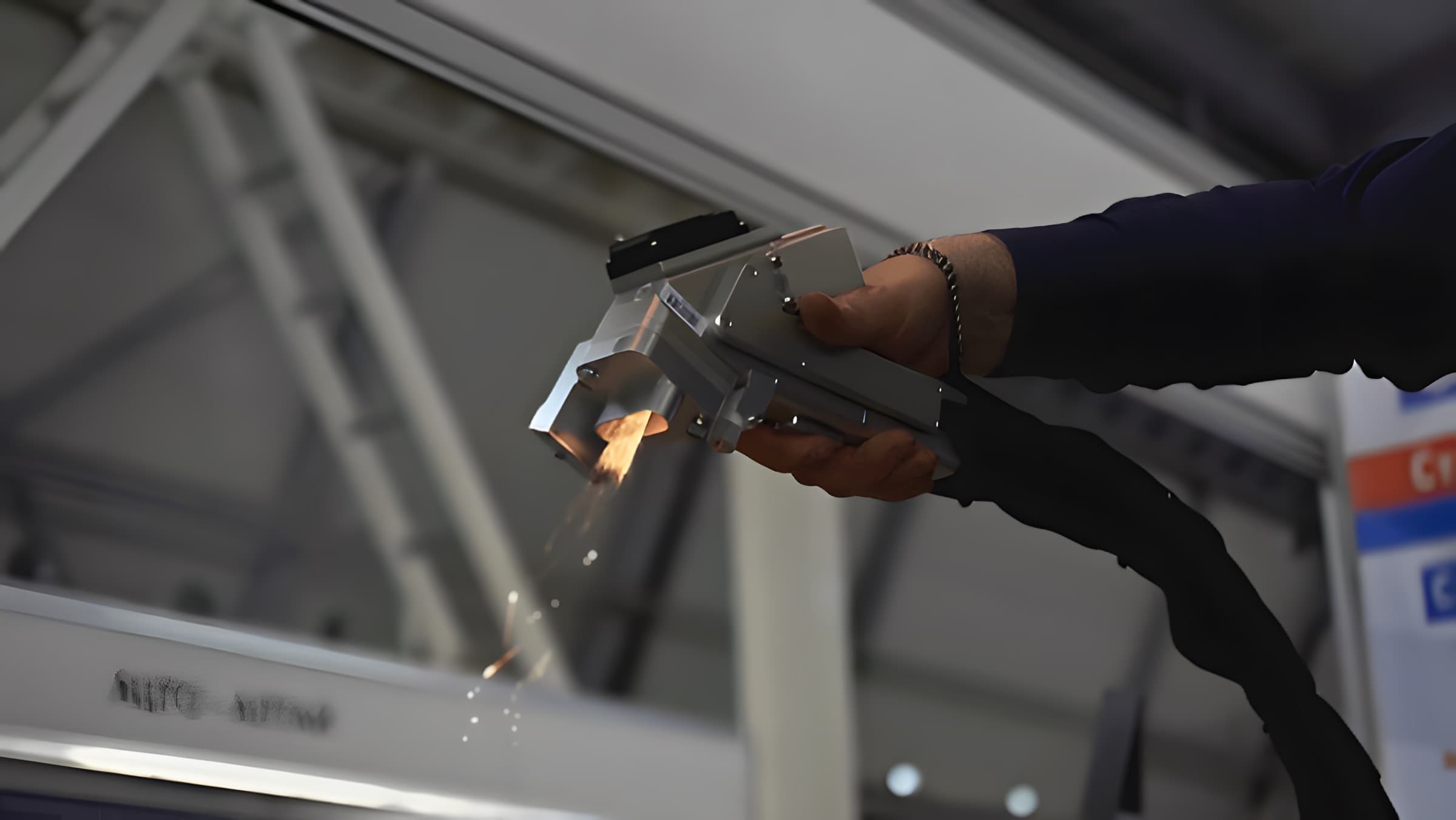
A pulsed fibre laser works on absorption. Dark, organic paint absorbs the pulse and vaporises off the surface. Mineral substrate reflects most of it. Between the two sits a window of energy that takes the paint and leaves the stone, and the window is different for every material. We control it with power, pulse frequency, scan width, travel speed and standoff distance, and we set it fresh on every wall.
Fired clay brick is the easiest. The skin takes mid-range power and the paint comes off in one or two passes. The risk is over-driving: push the power up to go faster and the brick face darkens into a scorch mark that does not come out. So we run cooler than the brick could take and let the pass count do the work. Mortar joints are a separate setting. Lime mortar is soft and light, and we drop power at every joint or mask it.
Sandstone is where the method earns its price. The stone is soft, porous and pale, and the paint is in it, not on it. We run low power, wide scan, and take the paint out in layers, checking after each pass. Paint that went two millimetres in comes out over four or five passes. We stop the moment clean stone shows, because one pass too many starts lifting sand grains. On a solvent ghost like the Water Street job, the laser reaches pigment that the gel pushed in and gets 90 to 95 percent of it out. Solvents on the same stone leave 60 percent behind.
Concrete sits between the two. The aggregate handles the laser well. The cement paste around it is the sensitive part and will tint yellow-brown if over-driven, which matters on the mid-century concrete buildings Vancouver has started designating. Cooler settings, more passes, same principle.
Two substrates get a hard stop before a test patch. Glazed terra cotta, on buildings like the older commercial blocks along Hastings, can craze under the beam. Polished granite has dark minerals that absorb energy and pit. Both get a 30 by 30 centimetre test in a spot nobody will see, photographed and shown to the planner, before we commit to a wall. The test is what makes the setting safe for that particular stone, and no two walls in Gastown have given us the same numbers.
That test patch is not a formality. It is the document that keeps the job off the enforcement list.
The site on a Gastown sidewalk
No water. That is the first thing a property manager notices, and it matters more than it sounds. No rinse water means nothing runs to the storm drain on Water Street, nothing for the City’s sewer bylaw to object to, and nothing soaking into the base course to migrate salts up the wall next spring.
No media either. The laser produces a fine paint fume at the nozzle and we capture it there with HEPA and carbon extraction. The crew sweeps nothing. The sidewalk reopens the moment the barriers come down.
The barriers are the part people forget to plan for. A handheld cleaning laser is a Class 4 device, so the work zone gets hard barricades, signage and eyewear for anyone inside it. On a busy sidewalk that means a street use permit and usually early-morning or evening hours. On a laneway it means cones and a spotter. Safe for the crew, safe for the pedestrians, and nothing left on the ground when we leave.
Timing: a single tag on brick, roughly a square metre, takes one to two hours including setup. The same tag on sandstone with a solvent ghost under it takes three to four. A full 20 square metre wall of layered tags on brick is a day. On sandstone, two.
What it costs in BC dollars
Laser graffiti removal on heritage masonry in Greater Vancouver runs $1,200 to $6,000 per job. The floor is a mobilization minimum of $900 to $1,500 for a single-tag visit, which covers crew, equipment, extraction and the safety zone. Above that we price per square metre, $60 to $150, and the substrate drives the number more than the size of the tag. Brick at one pass is the bottom of the range. Sandstone with a ghost under it is the top.
Access is on top. A boom lift for second-storey work is $400 to $900 a day. Scaffold for a full elevation is more, and on a heritage street it needs its own permit. After-hours work on a permit-controlled sidewalk adds 20 to 30 percent.
Set that against the solvent-and-wash visit at $250 to $600, and the laser looks expensive right up until the ghost appears. Then the comparison is a $450 visit plus a $3,800 correction, against one laser visit at $1,500 that would have left nothing to correct.
There is a second cost the invoices never show. A wall that stays tagged gets tagged again; every BIA coordinator in the city will tell you the repeat rate drops when removal is fast and clean. A ghost on a heritage façade is worse than a tag, because it is permanent. It shows in every photo, every listing, every future Heritage Alteration Permit application, and it lowers the ceiling on what the building is worth.
One prevention note. If a wall gets hit every month, a breathable sacrificial anti-graffiti coating at $8 to $20 per square metre is worth the conversation with the planner. It changes the removal method to a hot water wash and pushes the laser to the once-a-year job of taking off whatever the wash missed.
Where the laser is the wrong call
Painted heritage surfaces. Gastown and Chinatown still carry ghost signs, the faded painted advertising on brick from the 1910s and 1920s, and on those walls the old paint is the heritage. A laser set for the tag will take the sign underneath it. We mask, run the lowest setting that moves the tag, and sometimes tell the owner the right answer is to leave the tag and protect the sign. That is not a popular answer. It is the correct one.
Crazed terra cotta glaze, already-spalled brick faces and any wall that failed its test patch also go on the list. If the test does not pass, we do not sell the job.
Dry ice, the other half of our equipment, is the wrong tool for graffiti. It is the right tool for the soot that lands on the same heritage brick after a fire next door, and we bring both trucks to that kind of call.
Working with us on a Register building
Laser Sharks is fully insured, WorkSafeBC compliant, and has worked heritage masonry across Gastown, Chinatown, Mount Pleasant, Lower Lonsdale and downtown New Westminster. Every heritage job ships with a test patch record and before-and-after photos formatted for the City file. We won the CBRB Best Cleaning Services in BC award for 2025, and most of our heritage calls now come from property managers who have already paid for a ghost once.
If you have a tag on original brick, sandstone or concrete, send us a photo and the address through the quote form or call 236-660-4248. A site visit in the Lower Mainland is free, and the first thing we will do is a test patch you can show the planner.