A facility manager in Burnaby called last month with three quotes side by side. One said “CO2 blasting.” One said “dry ice blasting.” One said “solid CO2 pellet cleaning.” He wanted to know which one was different, and which one to trust.
They were the same process. Three names, three contractors, similar but not identical machines.
This kind of terminology confusion costs BC plants real money. Buyers waste time second-guessing quotes. Worse, some pick the cheapest version because they assume it’s a less specialized service. In reality CO2 blasting services in Vancouver are dry ice blasting under a different label. The physics is identical. What varies is the contractor.
The naming problem (and why it exists)
The cleaning method goes by several names:
- CO2 blasting
- Dry ice blasting
- Dry ice cleaning
- Solid CO2 pellet cleaning
- CO2 pellet blasting
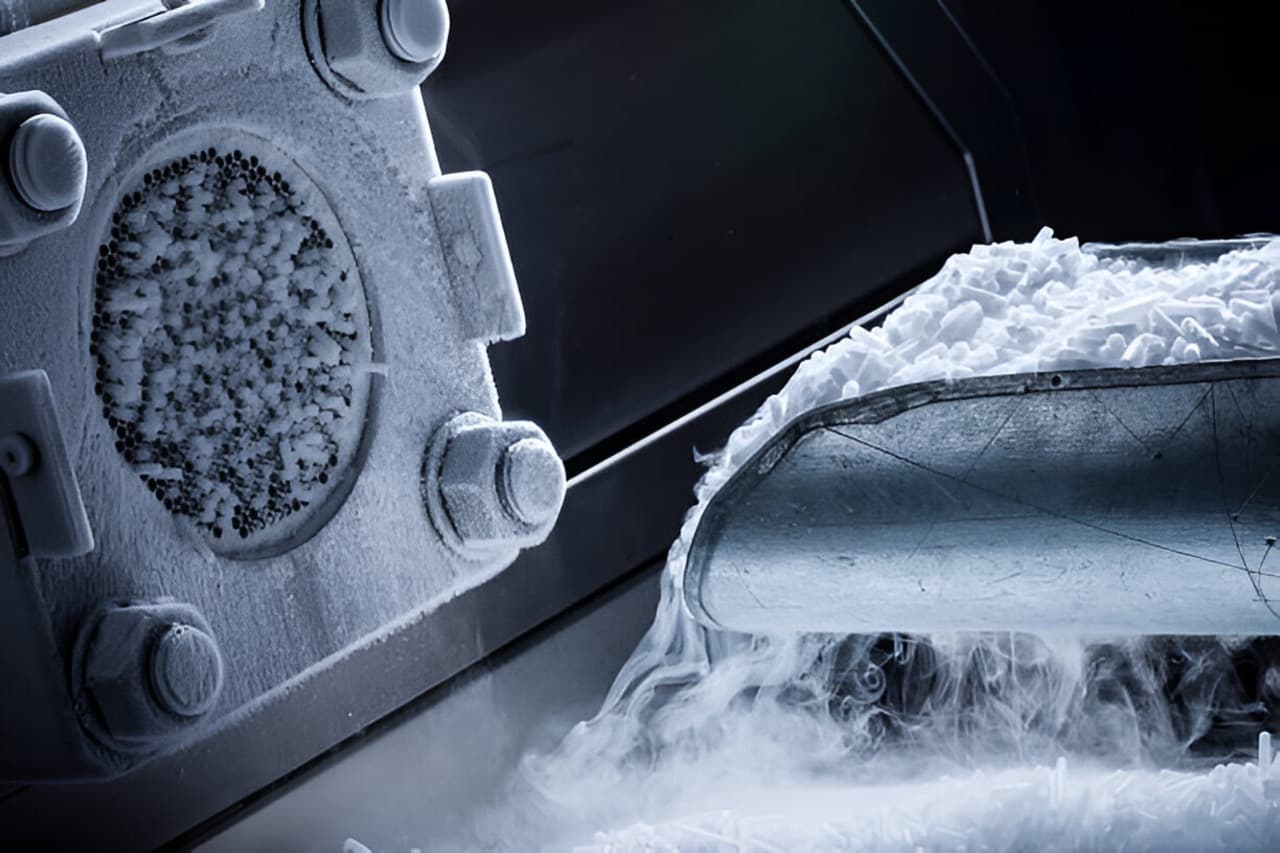
All refer to the same thing. Pellets of solid CO2 fired at a surface at moderate pressure, sublimating on impact. The contamination breaks free. The CO2 returns to gas. No grit. No water. No residue beyond what was already there.
The split in vocabulary comes from equipment marketing. Some brands (Cold Jet, IceTech) lean on “dry ice blasting” because it sounds familiar. Chemical engineering literature and European competitors stick with “CO2 cleaning” or “CO2 jet cleaning.” A handful of BC contractors picked up “CO2 blasting services” from manufacturing spec sheets and never switched.
For procurement, this matters. If you tell your maintenance lead “find dry ice blasting quotes,” they might miss contractors marketing themselves as CO2 cleaning specialists. Same service. Different keyword on a website.
How the process actually works
Solid CO2 pellets are roughly 3 mm in diameter. They sit at about -78°C. A compressed air stream (80 to 300 PSI for most industrial work) drives them at the target surface. Two things happen on impact.
First, the kinetic energy chips away at brittle contamination: paint, soot, oils, mold biofilm, baked-on residue.
Second, the temperature shock cracks the bond between coating and substrate. Plastics, polymer coatings, and adhesives contract faster than the underlying steel or aluminum, lifting at the interface.
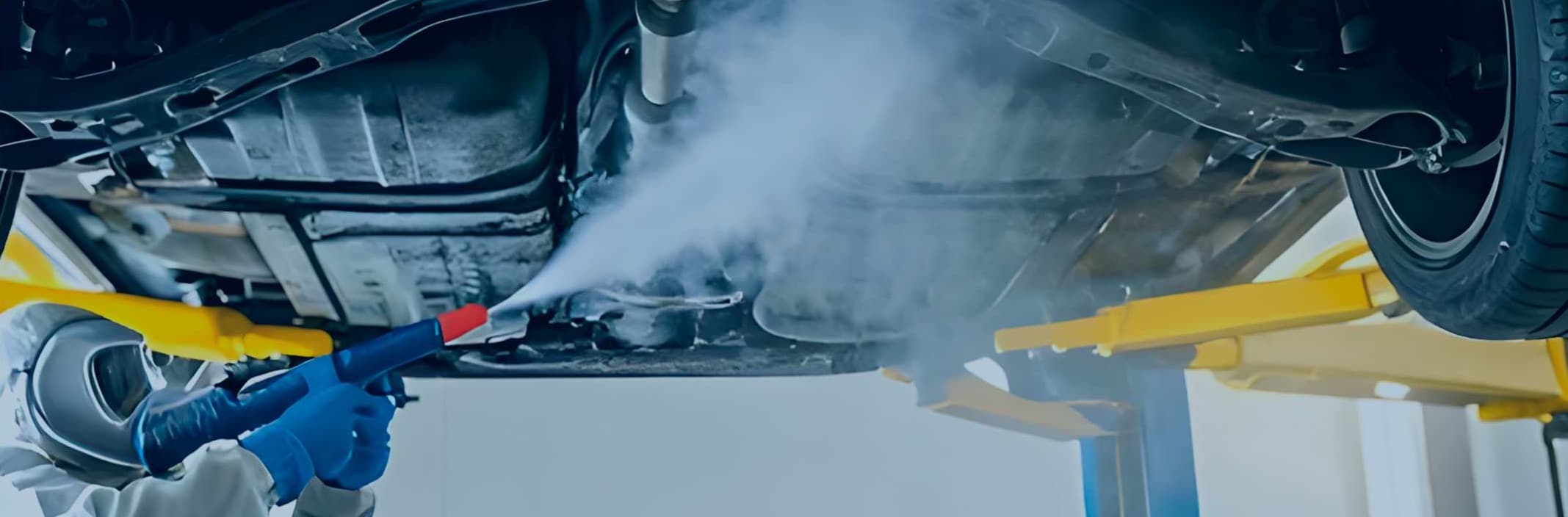
Then the CO2 returns to gas instantly. There is no leftover blast media. The only cleanup is whatever you removed from the surface, which falls to a tarp or a contained collection area.
That last point drives most of the BC adoption. Sandblasting leaves you with spent abrasive plus the original contamination, often classified as controlled waste depending on what was stripped. Chemical cleaning leaves wastewater. CO2 blasting leaves the contamination on its own, and CO2 gas off-gases into the room. You still need ventilation. But you do not have a waste haulage line item on the quote.
What this looks like on a real BC job
Two recent jobs make the point.
A craft brewery in Mount Pleasant called for fermentation tank cleaning. Their previous contractor used a caustic chemical rinse cycle. It worked but pulled the tanks out of rotation for 36 hours per unit. We brought in a CO2 blasting setup, cleaned three tanks in a single overnight window, and the tanks were back in production by 7 AM. Cost came in within $200 of their old chemical quote. The saved production cycle was worth more than the entire cleaning bill.
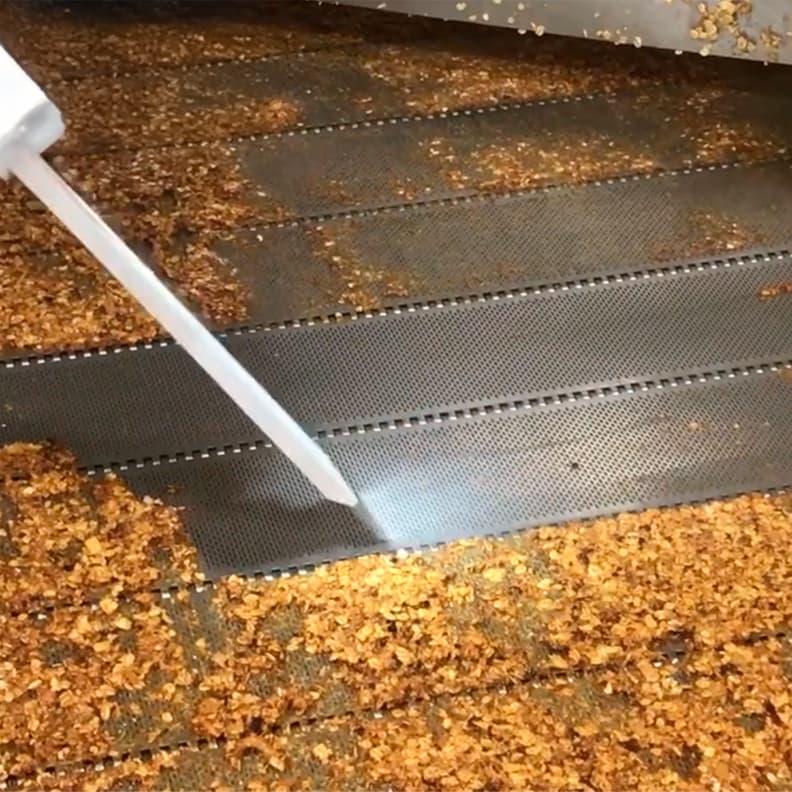
A food processor in Delta had a packaging line with sugar residue buildup behind the conveyor frame. Disassembly for traditional cleaning would have meant a full weekend shutdown. CO2 blasting cleaned the buildup in place over a 6-hour Saturday window. The line ran Monday morning without recalibration.
Both jobs got described as “CO2 blasting” in the quote and “dry ice cleaning” in the post-job report. Same work, different words.
Pricing brackets in BC
Real numbers from Greater Vancouver jobs over the last 18 months:
- Small in-place equipment cleaning (single piece, half-day): $1,500 to $3,000
- Mid-scale production line cleaning (overnight window): $3,500 to $8,000
- Full facility shutdown cleaning (multi-day, multi-tech): $12,000 to $40,000+
What pushes a quote up or down inside those ranges:
Pellet supply distance. CO2 pellet logistics matter. Most BC contractors source pellets from a single Lower Mainland supplier, then truck them to site in insulated containers. Jobs north of Squamish or out to the Sunshine Coast pick up surcharges for pellet transport time. Pellets sublimate slowly in transit, so supply has to be timed.
Site access. Annacis Island warehouses with overhead crane access are fast. Underground parkades and mezzanine equipment cost more because hose runs get long and pellet feed pressure drops.
Downtime window. Weekend and overnight work runs at a premium. Quotes for full-shutdown windows during scheduled maintenance often come in lower per-hour because the contractor can stage equipment efficiently.
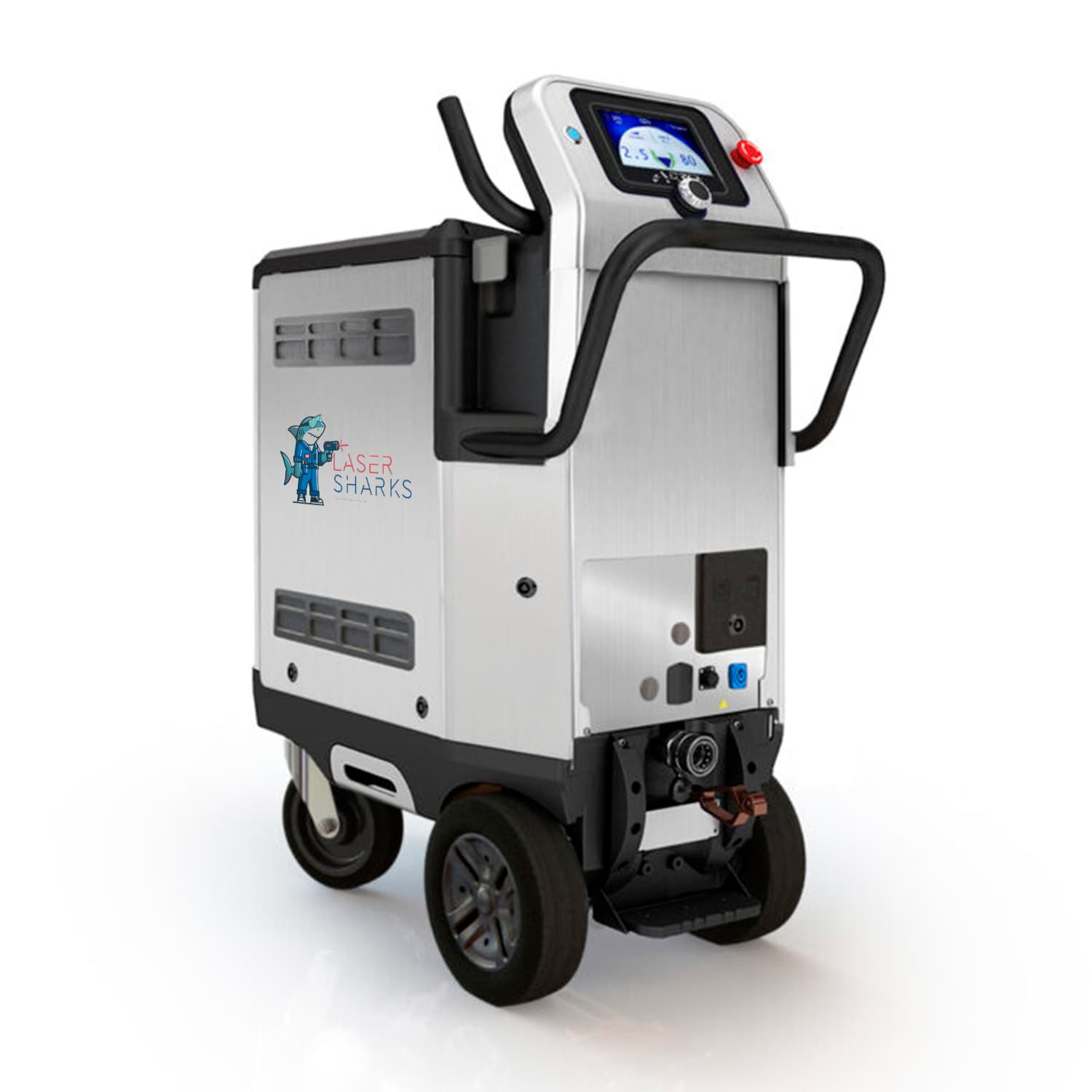
Air supply. Most quotes assume the client has a compressor on site. If we have to truck in a diesel compressor unit, that’s typically $400 to $800 per day extra.
Reading mixed quotes from BC contractors
When three contractors send three quotes for the same job, look at these line items rather than the service name:
- Pellet consumption rate (kg/hr). Most industrial work runs 50 to 120 kg per hour. Quotes much higher than that on a small job suggest oversized equipment. Quotes much lower suggest the contractor is undersizing.
- Working pressure (PSI). 80 to 150 PSI for delicate work like electronics and food contact. 200 to 300 PSI for heavier coating and rust work. If the quote doesn’t specify, ask.
- Operator certification. WorkSafeBC compliance and insurance limits should be on the quote. If they aren’t, get them in writing.
- Cleanup and disposal scope. Even though CO2 leaves no secondary waste, the contamination removed from the surface still has to go somewhere. Quotes should state who bags and disposes of the captured residue.
- Setup and teardown time. Some contractors quote “8 hours on site” but build setup into that. Others quote pure cleaning hours separately. The difference matters when you’re planning a downtime window.
When the numbers across these line items match, the service is the same regardless of whether the header reads “CO2 blasting” or “dry ice blasting.”
Where CO2 blasting is the right answer
The method works well on:
- Food and beverage equipment cleaning (no chemicals near product contact surfaces)
- Electrical panels and motor windings (no moisture, no abrasion, no shorts)
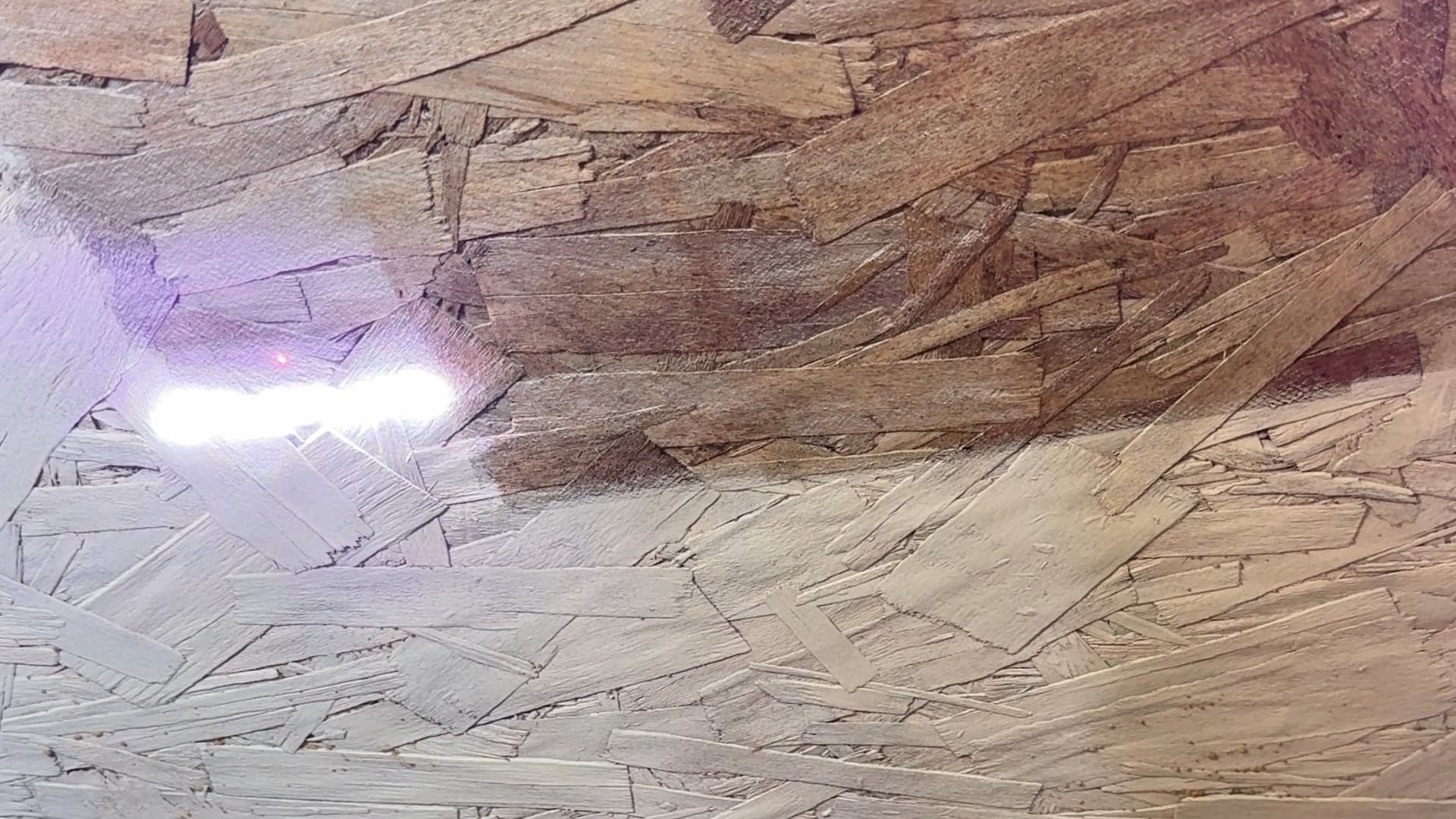
- Mold remediation on porous substrates (no added water to the structure)
- Smoke and soot removal after fire damage (gets into porous brick and concrete)
- Paint and coating prep where heavy abrasion would warp the substrate
- Mould tool cleaning in injection molding plants (in-place, no disassembly)
If your job profile is on that list, CO2 blasting and dry ice blasting are interchangeable terms. Either spec will deliver.
Where it falls short
Honesty matters in B2B work. CO2 blasting is not the right choice for every industrial cleaning job in BC. Specifically:
- Heavy rust on outdoor structural steel often needs laser cleaning or media blasting. CO2 will work but slowly, and the cost per square meter climbs.
- Bulk rust removal on bridges and transmission towers with thick scale is faster with laser cleaning paired with vacuum recovery.
- Concrete surface profiling for new coatings usually needs abrasive blasting to hit the spec roughness.
A contractor who quotes CO2 blasting for everything is selling tooling, not solutions. A reasonable BC industrial cleaning company will route those jobs to laser cleaning or refer them elsewhere when neither method fits.
How CO2 blasting compares to traditional methods
Three quick benchmarks against what BC plants used to run by default:
Versus chemical cleaning: CO2 blasting eliminates the wastewater stream and the storage hazard of caustics on site. For food-grade and pharmaceutical work, this also removes the audit headache around chemical traceability.
Versus pressure washing: CO2 blasting works dry. Electrical equipment, motor windings, and machinery with sensitive bearings can be cleaned in place without lockout-tagout extension for drying. For breweries and dairy operations in particular, the no-moisture profile prevents microbial regrowth in seams and crevices.
Versus sandblasting: CO2 blasting carries no respirable silica risk. The WorkSafeBC silica exposure rule that made abrasive blasting more expensive over the last few years simply does not apply. Containment requirements drop. Cleanup time drops. The cost gap between the two methods has narrowed sharply once the full compliance cost of sandblasting is on the line.
That last comparison is why we’ve seen a steady shift in Greater Vancouver food plants, electronics manufacturers, and restoration GCs moving from chemical or abrasive methods to CO2 over the last three years.
Trust and compliance context
We carry WorkSafeBC coverage, $5M general liability, and operator certifications. We’ve run CO2 blasting and dry ice blasting jobs across Greater Vancouver: Burnaby food plants, Richmond electronics facilities, Delta packaging operations, North Vancouver shipyards, and Mount Pleasant heritage façades. Insurance restoration work, including post-fire cleanup, runs through our standard documentation workflow so adjusters get what they need without back-and-forth.
The award context: Laser Sharks took CBRB Best Cleaning Services in BC for 2025. That credential matters most when procurement teams need a quick read on whether a contractor is real.
The short version
CO2 blasting services in Vancouver and dry ice blasting are the same process under two names. When you compare quotes, ignore the header and read the technical specs: pellet consumption, working pressure, certification, scope of cleanup. The contractors who can show those numbers cleanly are the ones to shortlist.
If you have a job profile and you’re not sure whether CO2 blasting is the right method, send us the asset details and a target downtime window. Request a quote with a few photos and you’ll get a clear scope and price back within one business day. For more on the process and where it fits, see our dry ice blasting service page.
Common questions
Is CO2 blasting the same as dry ice blasting?
Yes. CO2 blasting, dry ice blasting, and dry ice cleaning are the same process under different names. The naming confusion is why quotes from BC contractors are hard to compare.
Where does CO2 blasting fall short?
On heavy mill scale, concrete profiling, and jobs where a rough surface is fine. There, abrasive methods are faster and cheaper.
How does CO2 blasting compare to sandblasting on cost?
Higher per-hour rate, but no media, no disposal, and far less downtime, so the all-in number often lands lower on indoor or sensitive jobs.
Related reading
- Dry Ice Cleaning Food-Grade Equipment: BC Practical Guide
- Dry Ice Blasting in Vancouver: When BC Manufacturers Choose It Over Sandblasting
- Commercial HVAC Cleaning Vancouver: When NADCA Isn’t Enough
Compare options for your site with our dry ice blasting service, or request a quote.