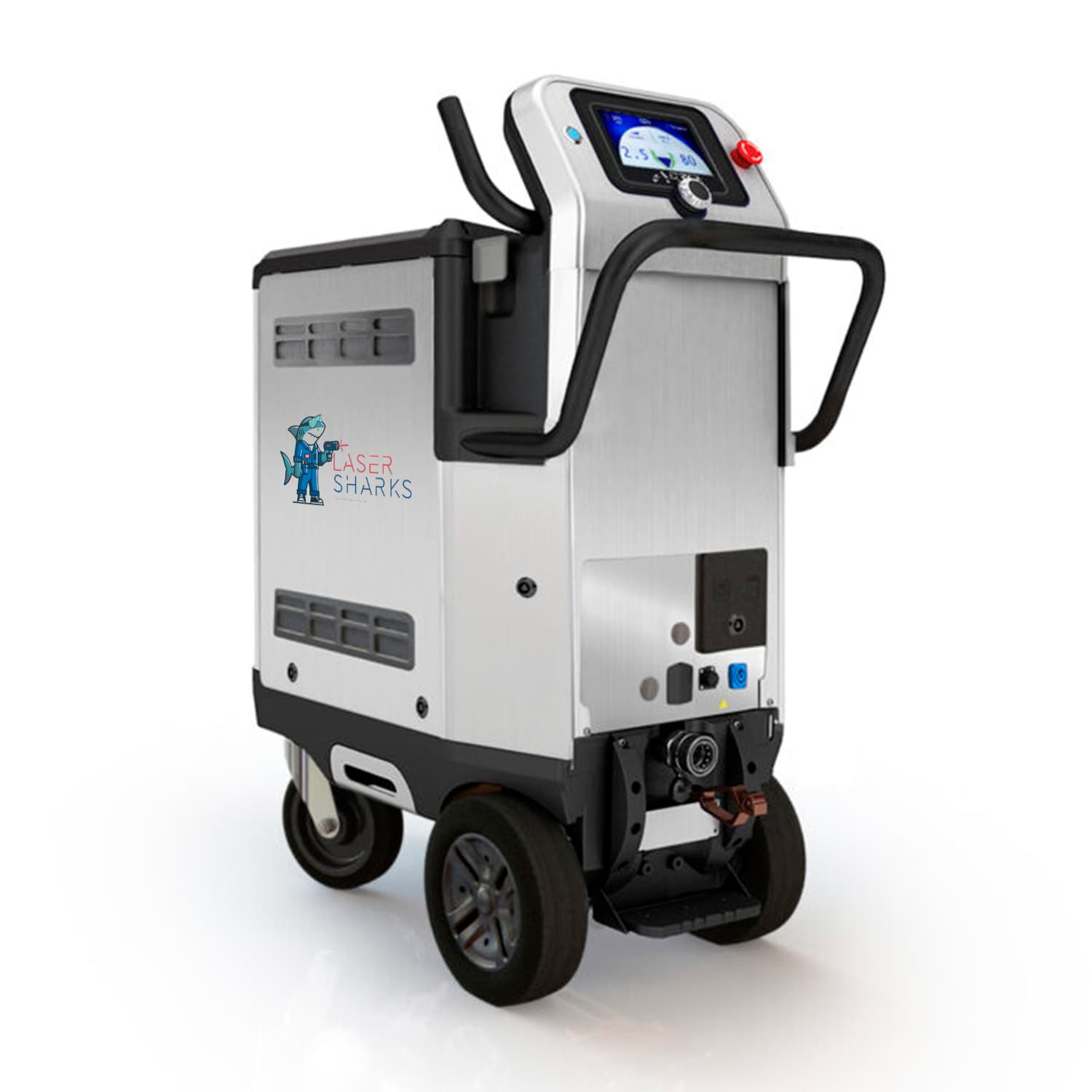
When Burnaby food processors tell me they need equipment cleaned but can’t afford three days of downtime, I know exactly what they’re asking. They want dry ice blasting vancouver contractors who understand that stopping a production line costs more than the cleaning itself. The difference between sandblasting and dry ice isn’t just the media—it’s whether you disassemble everything first or clean it where it sits.
I’ve been running blasting equipment in BC manufacturing facilities since 2002. Watched the dry ice adoption curve happen in real time.
Here’s what actually determines the choice.
When Dry Ice Blasting Wins Every Time
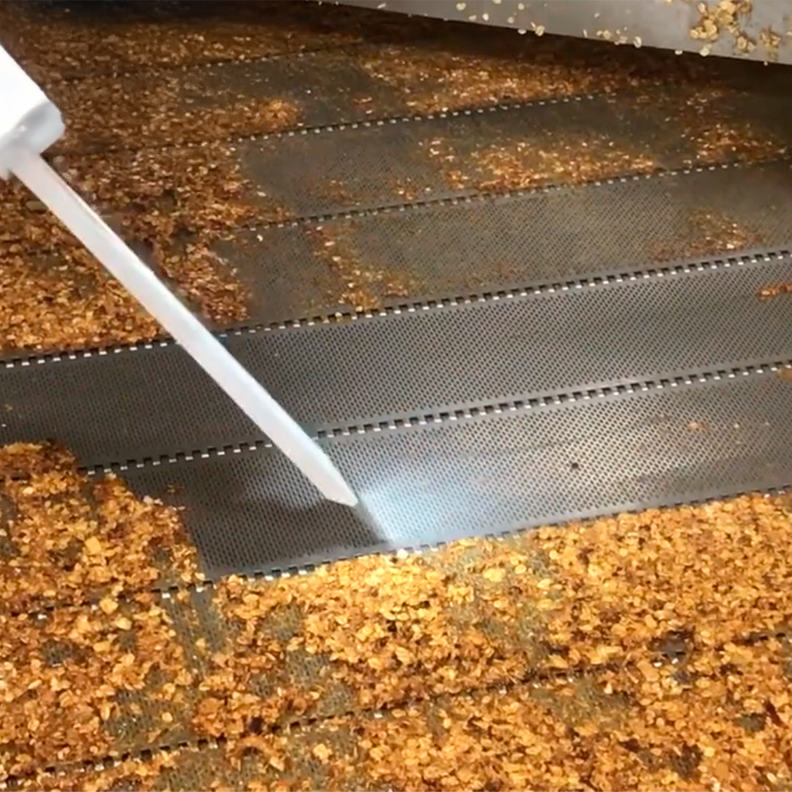
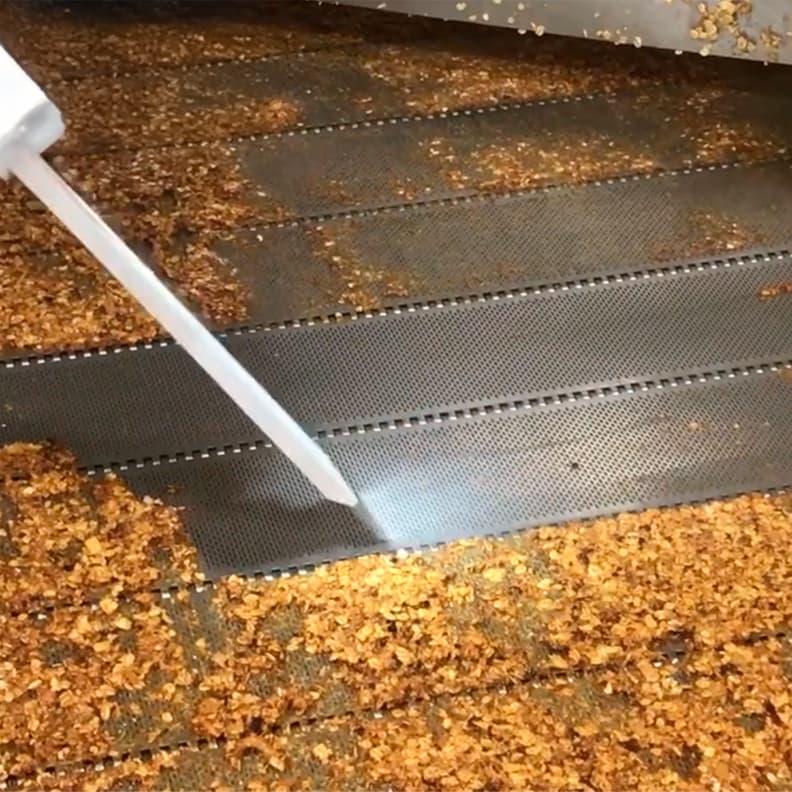
Food-grade facilities in Delta won’t let abrasive media anywhere near processing equipment. Health inspectors would shut them down before lunch. Dry ice sublimates—turns from solid to gas—so there’s no secondary cleanup removing blast media from conveyors, mixers, or packaging lines. A chocolate manufacturer in Richmond saved $4,200 last year because they didn’t need to break down their tempering equipment. Cleaned it assembled, production resumed same day.
Electrical cabinets are the same story.
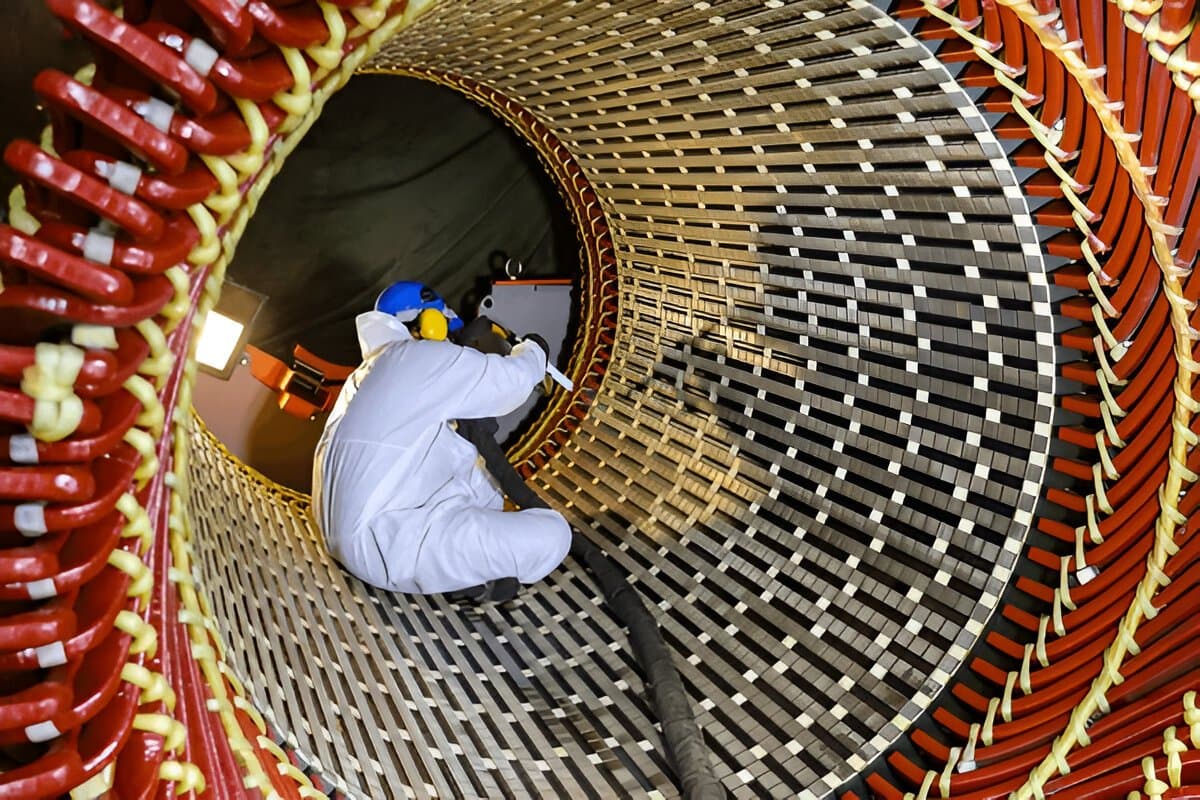
You can’t sandblast a live control panel without destroying it. Dry ice removes carbon buildup and contamination from switchgear without conductivity risk. I cleaned breaker boxes at a Port Coquitlam warehouse last month—$2,800 for eight panels, done in six hours. Sand would have required complete shutdown, panel replacement, rewiring. Easily $15,000 plus a week offline.
Most Vancouver manufacturers choosing dry ice blasting do it because they can’t stop operations. Pharmaceutical equipment, aerospace tooling, printing press rollers—anything where disassembly costs more than the cleaning. The typical job runs $1,500-$8,000 depending on square footage and contamination type. That sounds expensive until you calculate downtime costs. Three days at $12,000/day makes an $8,000 cleaning job look cheap.
Where Sandblasting Still Makes More Sense
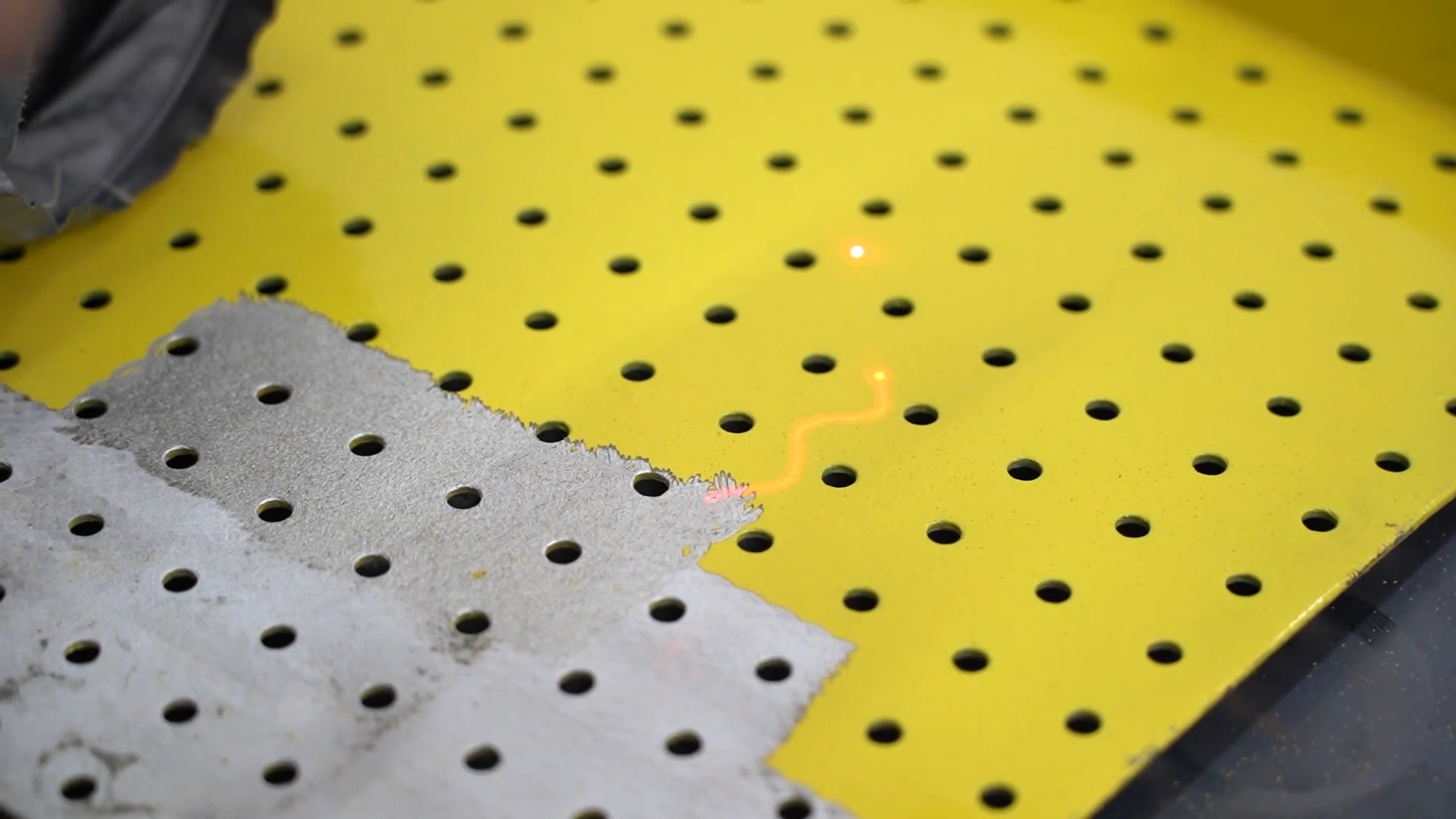
Heavy rust on outdoor steel structures. That’s where sand wins.
Dry ice works through thermal shock and kinetic energy. It’s excellent for removing coatings, oils, carbon deposits. But 1/4-inch scale rust on a steel beam? You need something more aggressive. Sandblasting cuts through that in minutes. Dry ice would take hours and cost three times as much. I turned down a job in Surrey last year for exactly this reason—client wanted dry ice on rusted shipping containers. Told them to use sand, save $6,000.
Large outdoor surfaces where cleanup doesn’t matter also favor sand. Blasting a concrete parking structure before recoating? Sand is faster and one-third the price. Nobody cares about media cleanup on a parking deck that gets power-washed anyway. Same logic applies to bridge components, outdoor tanks, structural steel between buildings.
The break-even point sits around surface area and access. If you can contain the workspace, disassemble the part, and cleanup isn’t critical, sand costs $800-$1,200 for jobs where dry ice runs $2,500-$3,500. But add confined space requirements, active equipment, or contamination concerns, and dry ice becomes the only practical option.
Real BC Pricing Breakdown
Small jobs—single machines, localized mold cleanup, electrical panels—run $1,500-$2,800. That’s what I quote for 4-6 hours onsite with one technician. Medium jobs covering 1,500-3,000 square feet of production equipment typically land at $4,200-$5,800. Large facility cleans with multiple stations or days onsite push $6,500-$8,000.
Burnaby and Richmond industrial rates run about 15% higher than Langley or Abbotsford due to travel time and scheduling density. Doesn’t mean the work differs, just reflects Metro Vancouver operating costs.
Emergency calls cost more. Always.
Client in New Westminster needed contamination removed from semiconductor handling equipment on a Saturday. Standard quote would’ve been $3,400. Weekend emergency rate hit $5,100. They paid it because Monday production was worth $40,000. Math worked fine.
What Actually Happens During Dry Ice Blasting
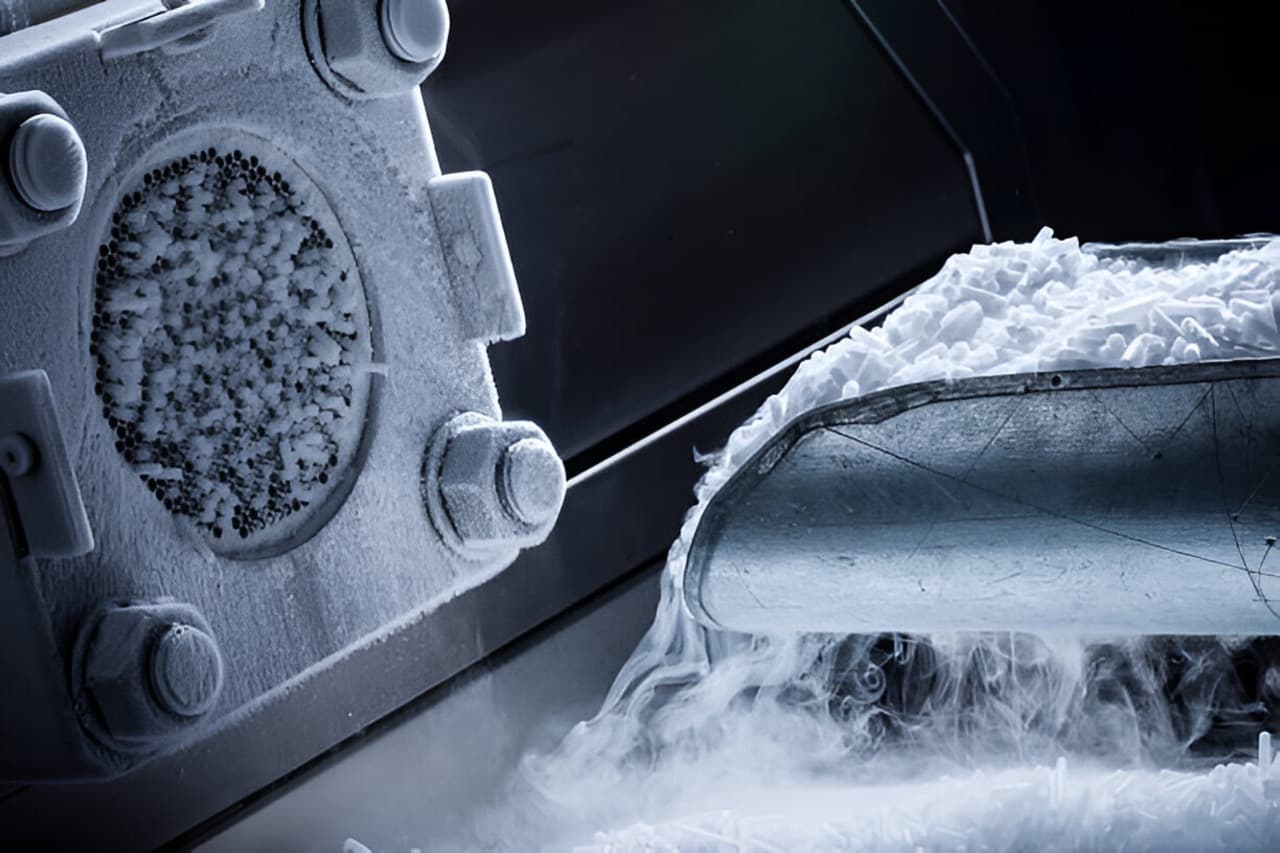
Pellets hit the surface at 300 feet per second. Thermal shock from -109°F pellets makes contaminants brittle. They crack off. Then the dry ice sublimates, expanding 800 times in volume, lifting debris away. No residue. Nothing to vacuum except whatever you removed.
Noise level sits around 85-90 decibels. Hearing protection required but not miserable to work around. Sandblasting hits 110-115 decibels and requires sealed containment. The dry ice cleanup advantage alone saves most Vancouver facilities $800-$1,400 per job compared to sand.
We mask sensitive components but don’t need full containment. A Richmond aerospace parts manufacturer let us blast fixture assemblies while technicians worked ten feet away. Try that with sand. The safety manager would have an aneurysm.
Common Vancouver Applications
Mold remediation in food plants runs about 40% of our dry ice blasting vancouver work. Bakeries, breweries, meat processors—anywhere moisture and organic material combine. Dry ice kills mold spores and removes visible growth without chemicals. A Burnaby bakery cleaned their proofing room for $3,200 last fall. Alternative was full teardown and chemical treatment at $9,500.
Fire restoration contractors use it constantly. Smoke damage cleanup without tearing out everything. Insurance adjusters in BC started specifying dry ice in policies because restoration costs drop 30-50% compared to traditional methods. The laser cleaning approach works too but costs more for larger areas.
Automotive and marine refurbishment shops use dry ice for paint prep and carbon removal. Strip undercoating without solvents. Clean engine blocks without disassembly. One Delta collision shop switched their entire prep process to dry ice and cut refinish times by two days per vehicle. Their material costs dropped $180 per car.
When Richmond Manufacturers Get It Wrong
Biggest mistake is calling for dry ice when you actually need mechanical removal. Client wanted heavy bearing grease removed from a steel frame structure. Grease was 3/8-inch thick in places. Dry ice removes thin films beautifully. This needed scraping first, then dry ice for final cleanup. They wasted $1,800 on a job that accomplished nothing because they didn’t prep correctly.
Surface temperature matters too. Dry ice thermal shock needs a temperature differential. If you’re blasting frozen equipment at -20°F, there’s no thermal advantage. Warm it up first or use different media. This comes up with cold storage facility cleaning.
The other error is expecting dry ice to restore corroded metal. It removes contamination and coatings. It doesn’t rebuild pitted surfaces or remove rust embedded below the metal surface. Had a client in Surrey disappointed that we couldn’t make rusted steel look new. We removed the loose scale and contamination. The pitting remained. That’s metallurgy, not a cleaning limitation.
Why Delta and Burnaby Food Plants Switched
CFIA inspectors approve dry ice for food contact surfaces. Sand, even food-grade sand, leaves residue that becomes a contamination concern. The regulatory difference alone drives adoption in food manufacturing. But the real reason plants switch is production continuity.
Every hour offline costs money. Dry ice cleaning happens during shift changes or between production runs. A yogurt plant in Richmond cleans mixer paddles every Thursday afternoon now. Takes 90 minutes, production resumes Friday morning. Used to disassemble the mixers quarterly, send them out for blast cleaning, wait three days. Four times per year that’s twelve days of reduced capacity.
Do the math. $8,000 quarterly for in-place dry ice cleaning versus $4,500 quarterly for sand plus $48,000 in lost production. The more expensive cleaning method saves $152,000 annually.
Equipment Requirements Nobody Mentions
Compressed air supply needs to deliver 250 CFM minimum at 90-110 PSI. Most facilities have this. If you don’t, we bring portable compressors. That adds $300-$400 to the job cost. Dry ice pellets stay frozen in regular coolers for 24-48 hours, so logistics aren’t complicated. We source pellets from Vancouver suppliers, typical cost is $2.80-$3.20 per pound. Average job uses 150-300 pounds.
Ventilation matters in enclosed spaces. The CO₂ from sublimation displaces oxygen. We monitor with meters, require ventilation rates above 4 air changes per hour. Never had an incident but the physics don’t negotiate. This becomes relevant in confined space applications like tank interiors or machine enclosures.
The Sandblasting Crossover Point
When substrate damage doesn’t matter and you need maximum aggression, sand wins. Preparing concrete for epoxy coating in a Vancouver warehouse? Sand cuts the profile deeper, creates better mechanical adhesion. Dry ice would work but takes longer and costs more for a worse result.
Same with large steel structures. Blasting I-beams for paint in an outdoor industrial yard? Sand is half the price and twice the speed. The cleanup consideration that makes dry ice valuable in manufacturing plants becomes irrelevant on a gravel yard with drainage.
If you’re already set up for containment and cleanup, the dry ice advantage shrinks. A Richmond shop that does sandblasting daily has containment booths, media recycling, proven cleanup procedures. Adding dry ice blasting vancouver capability makes sense for certain jobs, but their infrastructure already solves the sand cleanup problem.
What This Means for Your Next Cleaning Project
Ask yourself two questions. First—can you stop operations long enough to disassemble, blast elsewhere, and reassemble? If yes, sand probably costs less. Second—is contamination control critical, either for regulatory compliance or because cleanup costs matter? If yes, dry ice likely wins despite higher upfront cost.
Most Burnaby, Richmond, and Delta facilities I work with fall into the second category. They’re running production environments where downtime is expensive and contamination control isn’t optional. The $5,000 dry ice job saves $15,000 in avoided costs. Easy decision once you stop comparing cleaning methods in isolation.
If you’re evaluating options for facility equipment cleaning and need specific numbers for your situation, get a detailed quote here with the actual scope and access requirements. Generic pricing only gets you halfway to a real decision.
Common questions
When do BC manufacturers choose dry ice over sandblasting?
On equipment that cannot tolerate abrasion, in indoor or food-grade environments, and on jobs where media disposal is a problem. Dry ice leaves no secondary waste.
Is dry ice blasting more expensive than sandblasting?
Higher per-hour, but no media, no disposal, and less downtime, so the all-in cost is often lower indoors. Outdoors on raw steel, sandblasting still wins.
Does dry ice blasting damage equipment?
No, it is non-abrasive. The pellets sublimate on impact and lift the contaminant without touching the substrate.
Related reading
- CO2 Blasting Services Vancouver: What BC Buyers Need to Know
- Dry Ice Cleaning Food-Grade Equipment: BC Practical Guide
- Laser Cleaning vs Sandblasting: When Each One Wins
Compare options for your site with our dry ice blasting service, or request a quote.