Metro Vancouver’s storm drains do not run to a treatment plant. They run to the Fraser River and Burrard Inlet. Every catch basin in a Burnaby industrial park or a Delta loading yard is, legally speaking, fish habitat. That one fact decides more cleaning contracts in this province than any brochure ever will.
It also explains why “eco-friendly industrial cleaning BC” has become one of the most abused phrases in the trade. Every second quote now arrives with a green leaf on the letterhead. Some of those companies still have a drum of methylene chloride stripper in the van. After two decades of industrial cleaning work across Greater Vancouver, I can tell you the label means nothing until you follow the waste.
So let’s do exactly that. Where the waste goes, what the law says about it, and what a chemical-free job actually costs in this province.
The label problem
“Eco-friendly” is not a regulated term. Nobody audits it. A contractor can pressure wash a soot-stained wall with degreaser, let the runoff find the nearest drain, and still print “green cleaning” on the invoice.
Three things separate a real chemical-free operation from a marketing claim:
- The SDS binder. Ask what products come on site. A true chemical-free method has almost nothing to show you, because there are no cleaning agents at all.
- The waste manifest. Ask what leaves the site and where it goes. If the answer is vague, the answer is a storm drain or a dumpster.
- The disposal line item. Real quotes for abrasive or chemical work include disposal costs. If a “green” quote has a rinse step but no water collection cost, someone is planning to cut a corner on your property, under your name.
That last part matters. Environmental liability follows the site owner, not just the contractor.
Follow the waste: what each method leaves behind
Sandblasting
Abrasive blasting throws media at a rate that surprises people who have never stood next to a pot. A day of production blasting can put two to four tonnes of spent media on the ground. That media is now mixed with whatever came off the surface. Old coatings on pre-1990s BC steel routinely test positive for lead and chromates, which turns the whole pile into regulated waste.
You pay to have it hauled. You pay tipping fees, which climb steeply once the load is classified as contaminated. And before any of that, you paid for containment: tarps, poly sheeting, negative air on enclosed work. On structural jobs the containment often costs more than the blasting.
Chemical stripping
Solvent strippers work, but every litre applied becomes a litre of hazardous liquid plus rinse water. The rinse water cannot go to a drain. It has to be collected, stored, and shipped to a licensed facility. Add VOC off-gassing, which in an occupied building means ventilation shutdowns and re-entry delays measured in days, not hours.
Pressure washing with detergents
The cheapest option on paper, and the one most likely to put your company name in a bylaw enforcement file. Wash water carrying degreaser, soot, or paint chips into a catch basin is a discharge to fish habitat. Municipalities across the Lower Mainland now require full wash-water recovery on commercial work, and enforcement crews do check outfalls after complaints.
Two methods that produce almost nothing
This is where the eco-friendly claim stops being marketing and starts being physics.
Laser cleaning
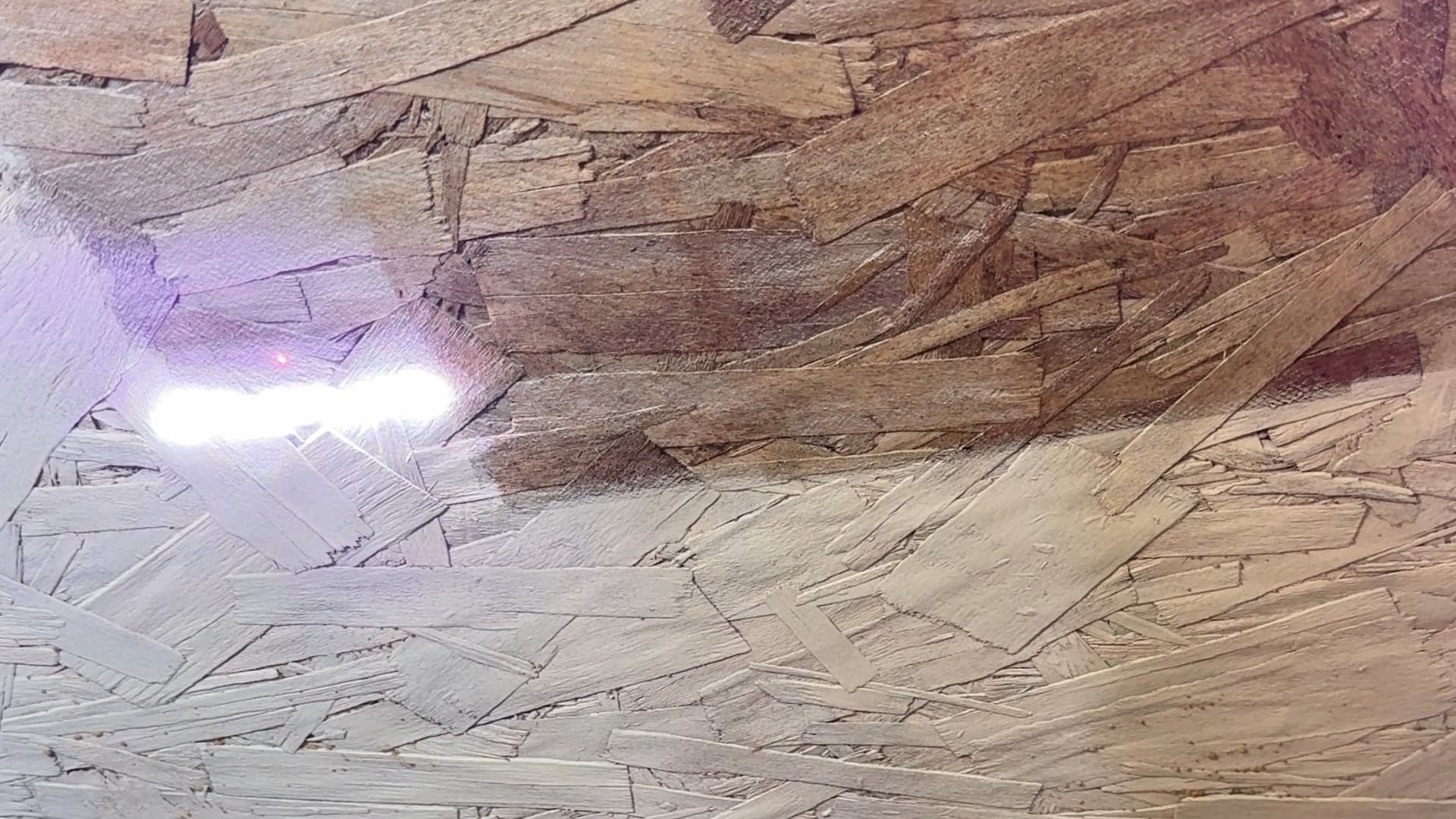
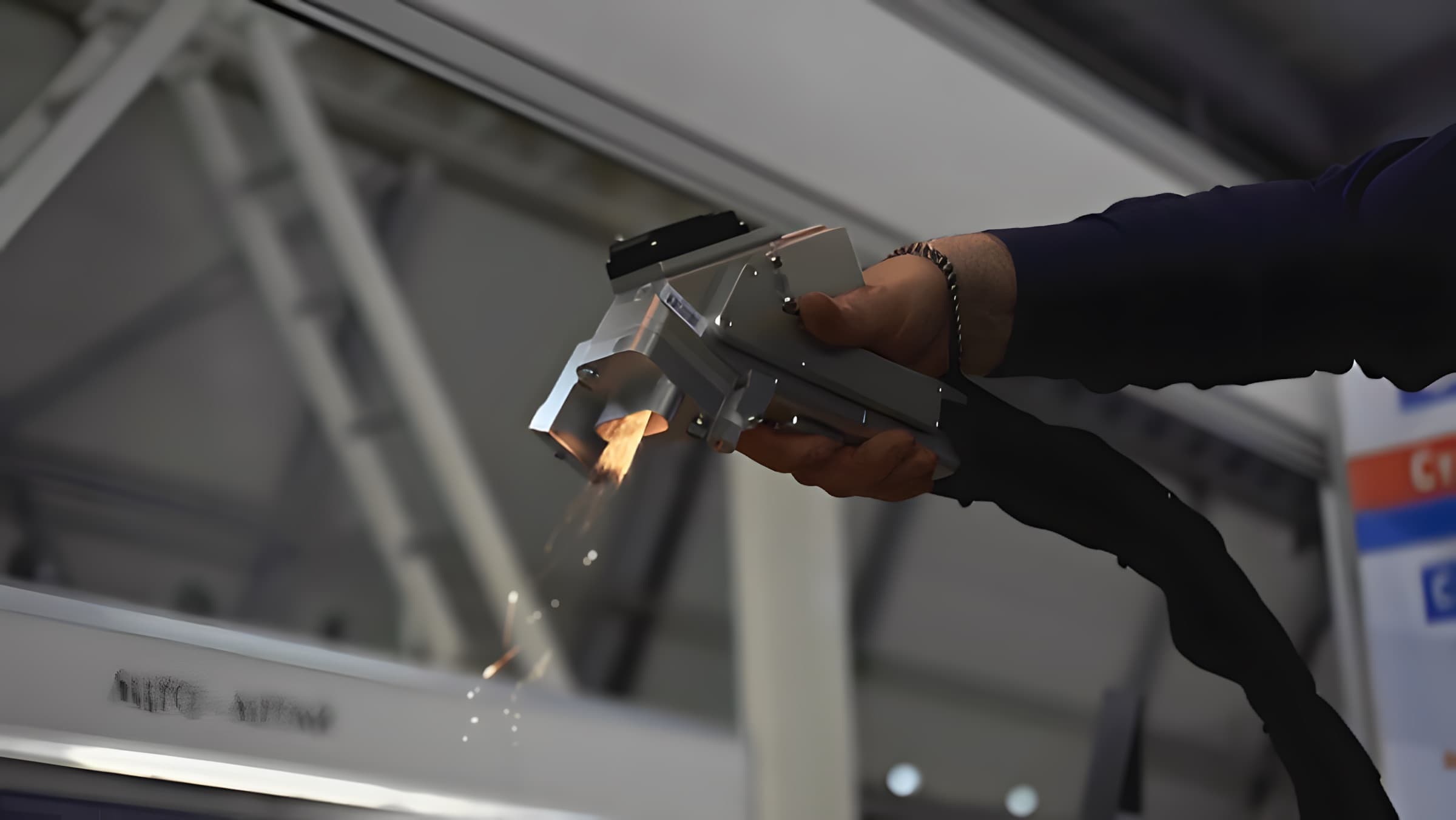
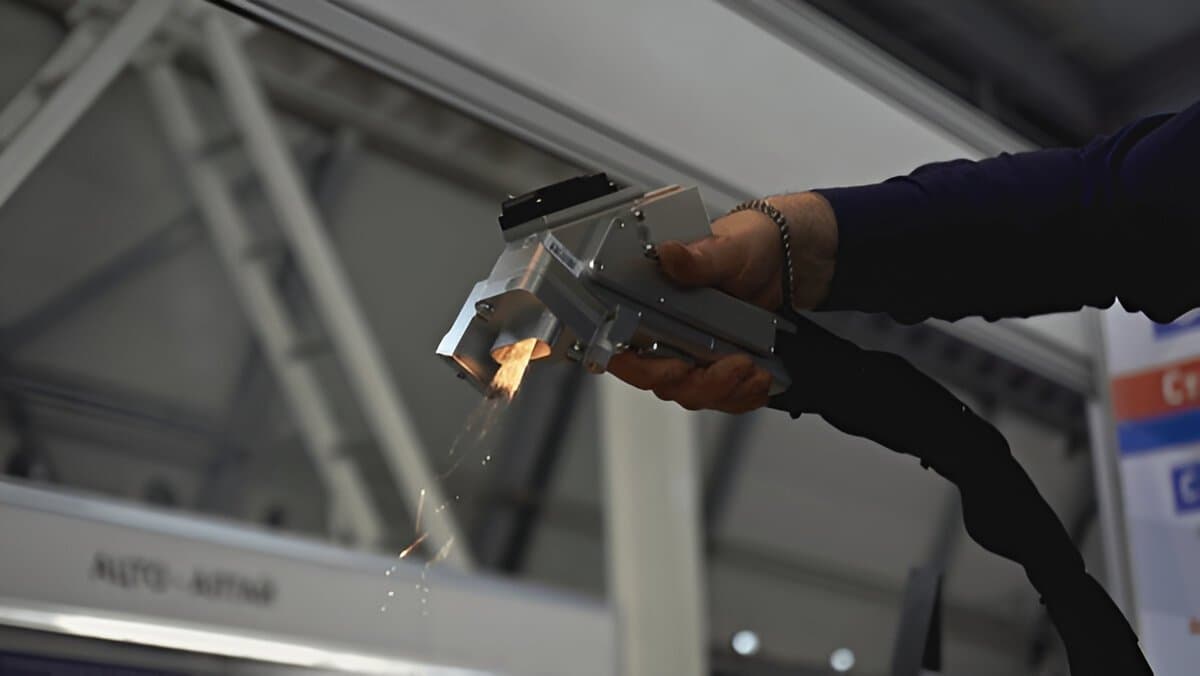
A laser vaporizes the contaminant layer, rust, paint, oil, soot, and leaves the substrate untouched. The plume goes straight into a fume extractor with HEPA and carbon filtration. At the end of the job, the total waste from stripping a corroded steel structure is a set of filter cartridges and a few kilograms of captured dust. No media, no liquid, no runoff. Nothing touches the ground. That is the whole story of laser cleaning from a waste perspective, and it is why heritage and environmental review boards approve it where they refuse blasting.
Dry ice blasting
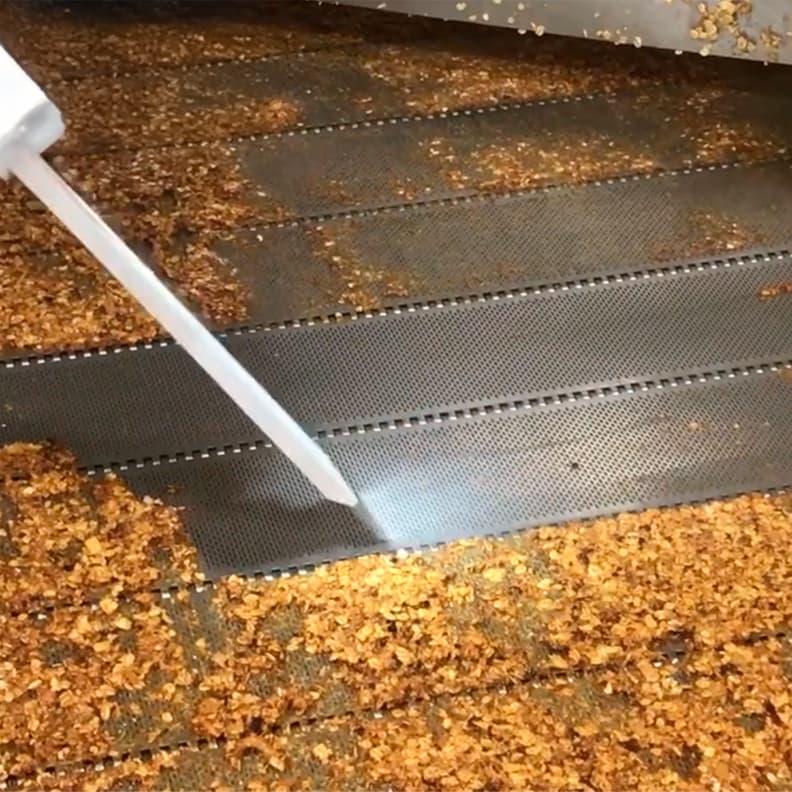
CO2 pellets hit the surface, lift the contaminant, and sublimate, meaning they turn straight to gas. The only thing left on the floor is the contaminant itself: the grease, the mold, the char. You sweep up exactly what was on your equipment and nothing more. No water is added, which is why dry ice blasting is approved for food-grade environments and is the standard answer for electrical gear, where rinse water is not an option.
One honest note on the CO2 question, since sustainability officers ask it: dry ice is made from reclaimed CO2, a byproduct captured from existing industrial processes. The blasting releases gas that was already headed for the atmosphere. It does not add new emissions the way solvent manufacture and hazardous-waste trucking do.
Real numbers from BC jobs
Abstract percentages don’t help a facility manager write a business case, so here are typical waste profiles from Greater Vancouver work:
– Rust removal on an 800 sq ft steel mezzanine. Sandblasting: roughly 2.5 tonnes of spent media and debris for disposal, plus containment build. Laser: two filter changes and under 20 kg of captured dust. Same surface, same result, a pallet versus a dump truck.
– Degreasing a packaging line at a Richmond food plant. Chemical cleaning: 400+ litres of caustic solution and rinse water for licensed disposal, plus a swab-test delay before restart. Dry ice: four garbage bags of solidified grease and a same-shift restart.
– Post-fire soot removal in a North Vancouver commercial unit. Wet methods: contaminated wash water at every stage, collected and hauled. Dry ice: the soot itself, bagged, and nothing else.
The pattern holds on almost every job we run out of the Lower Mainland, from Annacis Island fabrication shops to Mount Pleasant heritage brick. The waste stream shrinks by 95% or more, and what remains is the contaminant alone, in its most compact and easily classified form.
The Fisheries Act is not a technicality
Federal law prohibits depositing any deleterious substance into water frequented by fish, and the courts have applied that to storm drains repeatedly, because the drain is simply a pipe to the river. Penalties for corporations start in six figures. Metro Vancouver’s sewer use bylaws add a second layer, and most Lower Mainland municipalities have their own watercourse protection rules on top.
Here is the operational point: with chemical stripping or detergent washing, staying legal costs real money, in collection berms, vacuum recovery, storage totes, and licensed hauling. With laser or CO2 methods there is nothing liquid to control. The compliance cost is zero because the discharge is zero. You are not paying a premium for the eco method; you are deleting an entire cost category.
The WorkSafeBC angle
Abrasive blasting with silica-containing media triggers some of the strictest exposure control requirements WorkSafeBC enforces: exposure control plans, respirator fit programs, air monitoring, containment. Even non-silica media generates fine particulate that keeps the paperwork alive. Solvent stripping brings its own exposure limits and ventilation planning.
Laser and dry ice work still require proper controls, eye protection and exclusion zones for laser, ventilation planning for CO2 in enclosed spaces, but the burden is a fraction of a blasting operation. For a facility manager, that means fewer hold points with your own safety department and a contractor who can mobilize in days rather than weeks.
What this does for your ESG report
If you answer to a sustainability officer or a corporate ESG framework, chemical-free methods give you numbers instead of adjectives:
– Hazardous waste generated: measured in kilograms, not tonnes
– Wash water discharged: zero litres
– VOCs released on site: zero
– Chemical purchases eliminated: every litre the old method consumed
Several of our BC manufacturing clients now cite their cleaning method switch in annual sustainability reporting, because it is one of the few line items where the improvement is total rather than incremental.
What eco-friendly industrial cleaning costs in BC
Straight numbers, in Canadian dollars, for Greater Vancouver:
– Laser cleaning and rust removal: most jobs land between $1,200 and $6,000, driven by surface area, coating thickness, and access.
– Dry ice blasting: typically $1,500 to $8,000 per job, driven by contamination depth and how much equipment stays in place versus needs staging.
Compare that honestly against the alternative: a sandblasting quote plus containment, plus disposal of contaminated media, plus repairs where abrasive chewed into the substrate. Or a chemical quote plus liquid waste hauling plus two extra days of downtime while the building airs out. On most industrial work we price against, the chemical-free method is level or cheaper once the full invoice stack is on the table, and it is always faster back to production.
Downtime is the number that settles it. A food line that restarts the same shift instead of after a 48-hour swab cycle pays for the entire cleaning job in avoided losses.
The short version
If the job is rust, paint, or coatings on metal, and precision matters, laser is the answer. If the job is grease, mold, soot, or food-grade surfaces, dry ice is the answer. If a quote says “eco-friendly” and includes any rinse step, ask one question: where does the water go? The answer will tell you everything about who you are hiring.
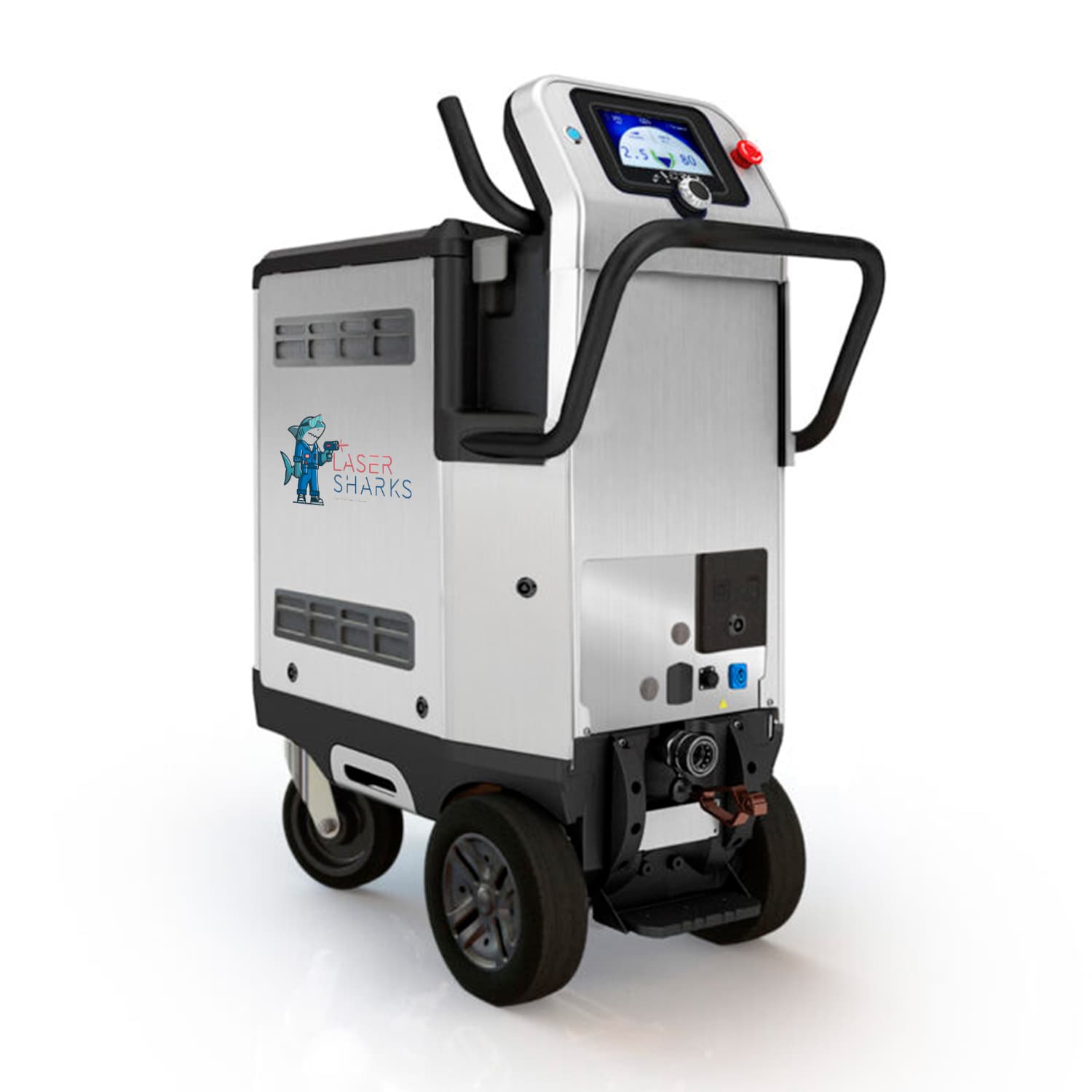
Laser Sharks runs both technologies across BC, fully insured and WorkSafeBC compliant, with the CBRB Best Cleaning Services in BC award behind the name. If you want a real number for your site instead of a leaf on a letterhead, request a free quote or call 236-660-4248. We will tell you which method fits, what it costs, and exactly what will leave your site when we are done. Usually, it fits in a bag.