Every autumn, when next year’s maintenance budget gets built, someone in the plant asks the same question. Why pay a contractor close to $5,000 a day for dry ice blasting when the plant could buy a machine and have two of its own people run it? Deciding whether to outsource industrial cleaning in BC or keep it in-house looks like a rate comparison. Your maintenance tech costs $65 to $85 an hour loaded. A contractor crew bills $95 to $250.
The rate is the smallest part of the answer. An in-house crew needs equipment, a compressor, an ice supply or a laser safety program, training, cover for holidays, and enough work to keep all of it busy. A contractor needs a phone call and a shutdown date.
Below are Lower Mainland numbers for both sides of the specialist work: dry ice deep cleans, laser rust and paint removal, cleaning during planned stops. Routine sanitation and housekeeping are a separate question, and we say where those belong too.
The short answer
Keep daily and weekly cleaning in-house. Sanitation, housekeeping, wipe-downs and washdown of equipment built for washdown belong to your own crew, because your crew is there every shift and knows the line.
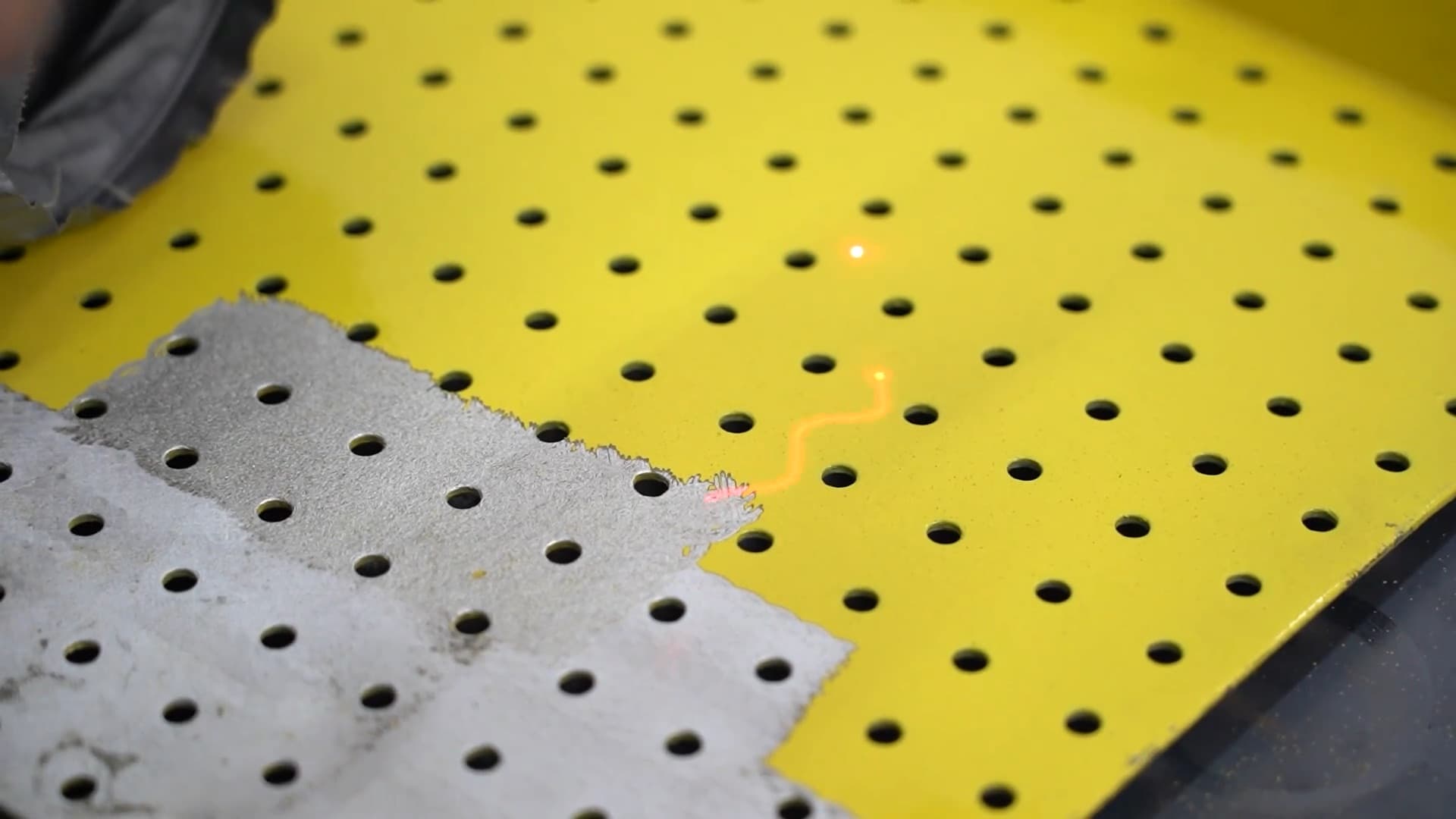
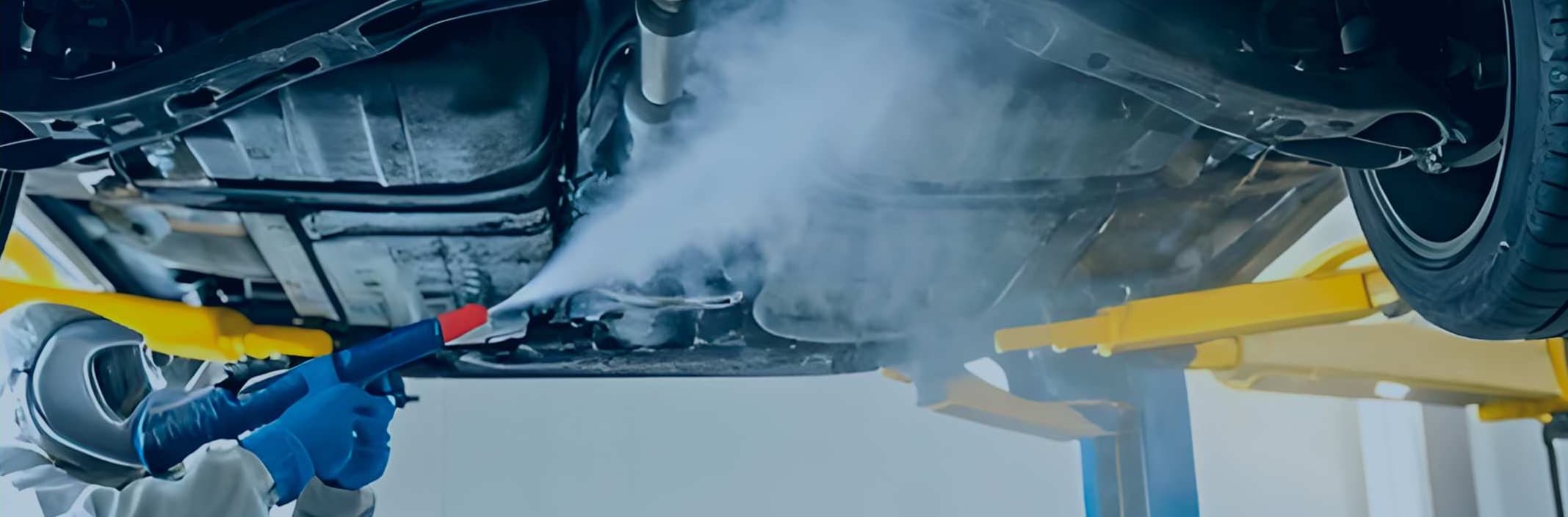
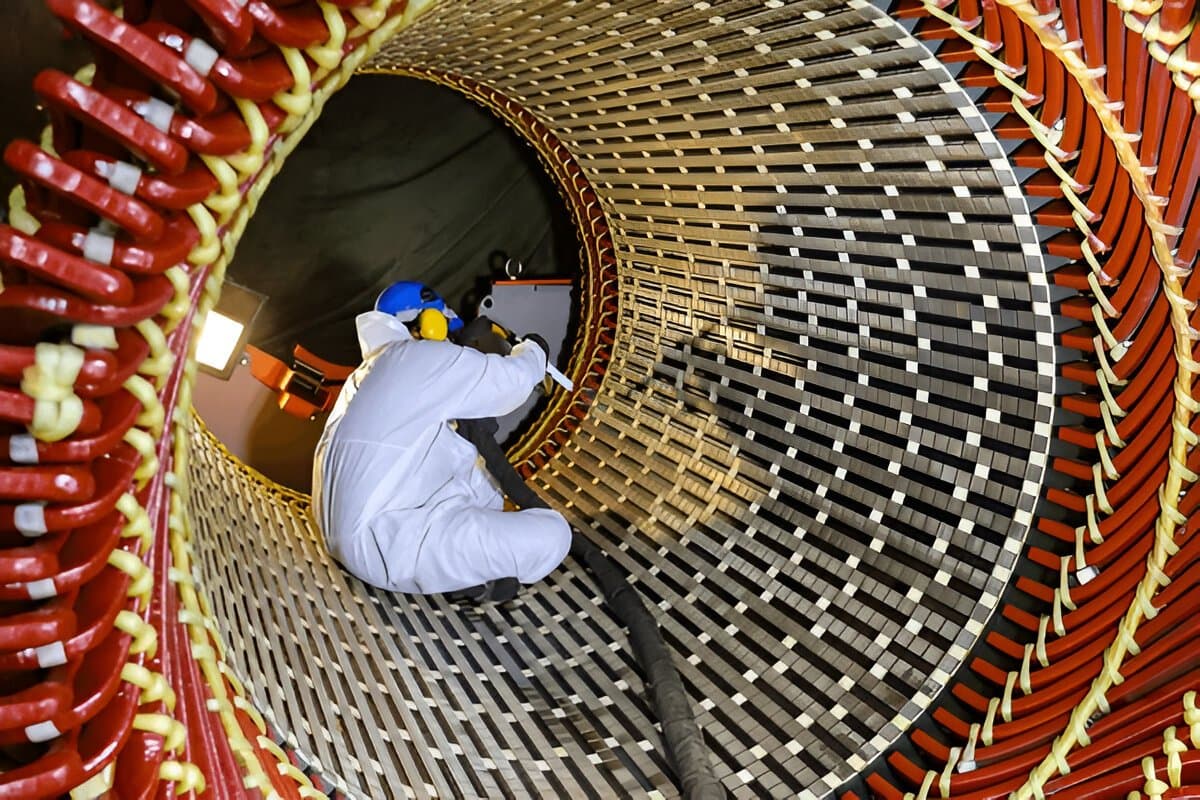
Outsource the specialist work that comes up a few times a year: dry ice deep cleans, laser rust and paint removal, surface prep before coating, cleanup after a fire or a leak. On the numbers in this article, owning a dry ice program starts to pay at roughly 12 to 15 days of blasting a year, every year. A production laser needs 15 to 20 days. A plant with a quarterly deep clean, one annual shutdown and a couple of rust jobs sits well under both lines.
What an in-house program costs before it cleans anything
The machine is the item everyone prices. It’s one line of six.
| Item | Typical cost (CAD) | Notes |
|---|---|---|
| Dry ice blaster with hoses, nozzles and an insulated ice bin | $35,000 to $65,000 | Nozzles wear out and run $500 to $2,000 each |
| Compressor, 185 to 375 CFM, with aftercooler | $600 to $1,200 a week to rent, $30,000 to $60,000 to buy | Plant air rarely has that volume spare at blasting pressure |
| Dry ice pellets | $4 to $5 per kg on small orders | Can’t be stocked |
| Pulsed laser with fume extraction | $80,000 to $200,000 | Class 4 device |
| Operator training, dry ice and laser safety | $1,500 to $3,000 per person | Paid again whenever an operator leaves |
| PPE, CO2 monitors, hearing protection, laser eyewear | $2,000 to $4,000 | Eyewear has to match the laser’s wavelength |
Dry ice has no shelf life. Pellets start turning to gas the day they’re made and lose a few percent a day even in a good insulated bin, so every job needs a fresh order timed to the day. Push a Saturday clean back after the ice is delivered, and you end up paying for a good part of it twice.
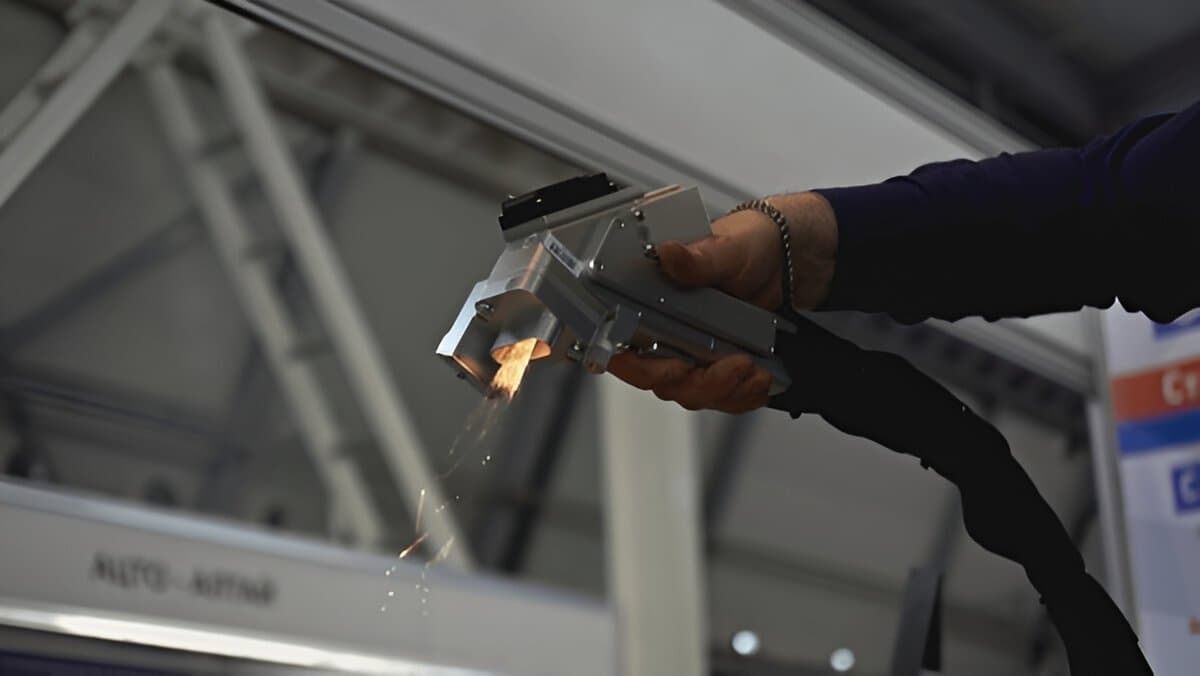
The laser line has a cheaper version. Continuous-wave units sold online for $10,000 to $25,000 will take rust off heavy plate. They also put far more heat into the part, and on thin sheet, machined faces or anything with a coating spec, that heat is the problem. The pulsed units that clean without marking the steel are the ones at the top of the table.
Then there’s the paperwork. Dry ice at the nozzle often runs above 110 dB, so your operators go into the hearing conservation program. CO2 builds up in small rooms, so the safe work procedure needs air monitoring. A Class 4 laser needs a controlled area, signage, rated eyewear and a trained person responsible for laser safety. WorkSafeBC expects every piece of that in writing before the first job. None of it is hard to set up, and all of it lands on your safety coordinator’s desk.
The hours your own crew can work
A full-time tech is paid for 2,080 hours a year. In BC, take out 11 statutory holidays, three weeks of vacation for anyone with five years of service, and up to five paid sick days under the Employment Standards Act. That leaves about 1,830 hours before training days and toolbox talks.
Timing matters more than the total. Many BC mills and food plants run their summer shutdowns in July and August, the same weeks your two trained operators want their vacation. Lose one of them to another employer and the program runs on a single person, with nobody to cover when that person is sick on the Saturday the line is down. The training walks out the door with them.
A contractor sends whoever is on the schedule. If one operator is off, the crew still shows up with the equipment. That reliability is part of what the higher hourly rate pays for, along with the machines, the insurance and the travel.
An in-house crew cleans with whatever is in the cage
This is the cost nobody puts in the budget. If the tool cage holds a pressure washer and a drum of degreaser, that’s what goes on the gearbox, and the plant inherits the wash water, the dry-down hours and the bearing that fails two weeks later. If someone rents a sandblaster for a rusty frame, the job comes with containment, spent media to bag and haul, and WorkSafeBC silica controls. In BC the abrasive itself can’t contain more than 1 percent free silica.
Specialist crews close the environmental gap here. Dry ice blasting and laser cleaning use no chemicals and leave no secondary waste: the CO2 pellets turn to gas, the laser sends the removed coating into a HEPA fume extractor, and what’s left on the floor is the grease or rust that came off. A crew that runs both methods picks one for each surface. Your own crew uses the method the plant happened to buy.
Worked example: a packaging plant on Annacis Island
Take a mid-size packaging plant on Annacis Island in Delta. Its specialist cleaning for the year:
- A quarterly dry ice deep clean of one production line, one long day each
- A two-day dry ice clean during the annual shutdown
- Two days of laser rust removal on frames, guarding and a mezzanine stair
That’s eight days of specialist work. The assumptions: weekend and shutdown work at $85 an hour loaded for the plant’s techs, equipment spread over five years, and a first year in which new operators need about 30 percent more time and ice than an experienced crew.
In-house, first year:
- Dry ice blaster and kit, $45,000 over five years: $9,000
- Pulsed laser with fume extraction, $130,000 over five years: $26,000
- Compressor rental for five events: $3,500
- Dry ice, about 2,300 kg at $5: $11,500
- Two techs for about 10.5 days at 10 hours and $85: $17,850
- Training for two operators on both methods: $5,000
- Nozzles, laser protective windows, PPE and monitors: $3,000
Total: about $75,850.
Contractor, same scope:
- Four quarterly dry ice visits at about $4,800: $19,200
- Two-day shutdown clean: $9,500
- Two laser days at about $3,200: $6,400
- One plant tech on lockout and handover, 16 hours at $85: $1,360
Total: about $36,460.
By year two the operators are faster and the training is mostly paid, so the in-house figure drops to around $65,000. The contractor column stays near $36,500.
The laser makes up most of that gap: $26,000 a year to own a machine that works two days. Take it out of both columns and, in year two, the dry ice program alone still costs about $34,000 in-house against about $29,700 from a contractor at six days a year.
Your figures will differ. A plant with its own large compressor, or techs who would otherwise sit idle on a shutdown weekend, moves the line toward in-house. A plant whose techs already carry a PM backlog moves it the other way, because every day they spend blasting is a day of maintenance pushed to next month.
When to outsource industrial cleaning: BC break-even numbers
Run the same figures forward and the break-even points come out roughly here, once the operators have a year behind them:
- Dry ice: about 9 to 10 days a year of steady blasting covers the machine, the training and the upkeep. In the first year, with slower operators and more ice per job, the line sits far higher. Plan on 12 to 15 days a year, every year, before buying.
- Laser: at mid-range pricing, 15 to 20 days a year. With an $80,000 unit, closer to 11.
Some plants clear those lines easily. A bakery cleaning ovens and conveyors every week, or a moulding shop cleaning tools in the press, should own a dry ice machine, and plenty of them do. If that’s your plant, buy one. We’ll say the same thing if you call.
Most plants in the Lower Mainland don’t look like that. Their specialist cleaning is a quarterly deep clean, a shutdown, an odd rust or paint job and the occasional emergency after a fire, a flood or a failed coating. That mix needs both methods, a handful of days a year, at times set by production. Outsourcing fits that pattern.
What to ask a contractor before they start
Outsourcing moves the risk off your books only if the paperwork is in order. Before a crew sets foot on the floor, ask for:
- A certificate of insurance showing their liability coverage
- A WorkSafeBC clearance letter, which confirms their account is in good standing so unpaid premiums can’t land on you
- Their safe work procedures for the method, including noise, CO2 monitoring or laser safety
- A written scope with a price per job or a not-to-exceed cap
On a shutdown with millwrights, electricians and a cleaning crew all working at once, settle in writing who acts as prime contractor for safety coordination. It takes ten minutes before the job and saves a long conversation if an inspector visits.
Our recommendation
Outsource the specialist cleaning for one budget year and log every day of it: method, hours, invoice, and how long the line was down. If the log shows dry ice work most weeks, buy the machine and train two people. If it shows a few deep cleans, a shutdown and a couple of rust jobs, keep paying by the job and keep your techs on preventive maintenance, where they earn their wage.
FAQ
Is it cheaper to outsource industrial cleaning or do it in-house?
For routine daily and weekly cleaning, in-house is cheaper. For specialist dry ice and laser work used a few days a year, outsourcing usually costs less once equipment, training, compressor, ice and absence cover are counted.
Can we rent a dry ice blaster instead of buying one?
Some equipment suppliers rent dry ice machines by the day or week, which removes the purchase price. You still need the compressor, a timed ice order, trained operators and written safe work procedures. For a once-a-year job, a contractor usually costs about the same and finishes faster.
Does outsourcing mean longer downtime?
Usually less. An experienced crew sets up quickly, knows the nozzle and pressure for each surface, and both methods leave surfaces dry, so equipment can restart once guards are back on and lockout is cleared.
Getting a per-job price
Laser Sharks crews are fully insured and work under WorkSafeBC requirements on every site, and the company was named Best Cleaning Services in BC 2025 by the CBRB. We run both laser cleaning and dry ice blasting, so one crew can handle the rust on the frame and the grease on the gearbox in the same visit. We work across the Lower Mainland, from Annacis Island and Richmond to Burnaby, Port Coquitlam and North Vancouver, and plan the work around your shutdown dates.
Send a list of last year’s specialist cleaning jobs, a few photos and your next shutdown window. We’ll price each job separately so you can set it beside your in-house numbers. Request a free quote or call 236-660-4248.