Most plants we walk into already own a pressure washer. It sits by the maintenance shop, it’s paid for, and the people who run it are on payroll anyway. So when a facility manager weighs pressure washing vs dry ice blasting, the in-house option looks close to free and the contractor quote looks like pure cost.
That comparison leaves out most of the bill. The Saturday overtime. The bags and tape over every motor and panel. Several thousand litres of oily water that can’t legally go down the floor drain. The Monday morning when the line restarts three hours late because a gearbox is still wet, and the proximity sensor that quits two weeks after that.
This article puts both options side by side for BC plants: what in-house pressure washing costs once every line is counted, what a dry ice blasting contractor charges for the same equipment, and where each one saves money. It also says plainly where the pressure washer should stay.
The short answer
For outdoor concrete, building exteriors and wash bays built with drains and separators, keep pressure washing in-house. It’s cheap there and it works.
Production equipment is different. Anything with motors, bearings, electrical panels or sensors, and any indoor area where wash water has nowhere legal to go, usually costs about the same to clean with a dry ice blasting contractor in cash terms, and a lot less once downtime and repairs are counted. On a typical quarterly deep clean of a packaging line, the two invoices land within a few hundred dollars of each other. The savings show up in restart time and in the repair log.
What in-house pressure washing costs once you count everything
Most plants price an in-house wash as labour hours. That’s the smallest honest number you can put on it. These are the lines an equipment wash costs at Lower Mainland rates:
| Cost line | Typical range | What drives it |
|---|---|---|
| Labour | $45 to $75 an hour per tech, loaded | Weekend overtime adds 50% |
| Masking, bagging and lockout | 2 to 4 hours per wash | Every motor, panel, sensor and junction box |
| Degreaser and detergent | $100 to $300 per wash | Cold water barely moves grease without it |
| Wash water capture and disposal | $800 to $2,000 per vac-truck load | Oily water has to be collected and hauled |
| Dry-down before restart | 3 to 12 hours | Gearboxes, enclosures, conveyor belts |
| Repairs traced to washing | Often $300 to $1,500 per incident | Wet bearings, failed sensors, tripped breakers |
| Washer ownership | $1,500 to $4,000 cold-water, $7,000 to $15,000 hot-water | Pump seals, burner service, diesel |
Two of those lines get skipped almost every time: dry-down and repairs. They’re also the two that cost the most.
The labour line hides a second cost that never shows on a timesheet. The two techs washing the line on Saturday aren’t doing the preventive maintenance they were hired for. In most BC plants the PM backlog is already longer than anyone wants, and a washing day pushes it out another shift.
Where the wash water goes
This is where in-house pressure washing gets expensive in BC, and where the no-chemicals, no-wastewater argument turns into dollars.
Across Metro Vancouver, storm drains carry water untreated to local creeks, the Fraser River or Burrard Inlet. Municipal bylaws in the region allow little besides rainwater into them. Wash water carrying grease, hydraulic oil, degreaser and product residue counts as a deleterious substance under the federal Fisheries Act if it reaches fish-bearing water, and plants in Delta, Richmond and North Vancouver sit right beside water that carries salmon.
The sanitary sewer is no free pass either. Metro Vancouver’s sewer use bylaw limits oil, grease and other contaminants, and an indoor floor drain that runs to the sanitary line without a working oil-water separator is a compliance problem waiting for an inspection. So plants that wash equipment properly end up capturing the water with berms and a wet vac, then paying a licensed hauler to take it away.
A 4 gallon-per-minute washer moves about 900 litres an hour. An eight-hour wash makes several thousand litres of dirty water, and every litre of it has to be collected.
Dry ice blasting makes none. The CO2 pellets turn to gas on impact, and what’s left on the floor is the grease, dust and residue that came off the equipment. Swept or vacuumed into a bin, that’s usually a few buckets of material. For a plant that reports on environmental numbers, or answers to a customer audit on them, the difference shows up on paper.
What high pressure does to equipment
At 2,000 to 3,000 psi, water goes where you point it and then wherever it wants. It works past lip seals into bearings and gearboxes. It carries emulsified grease into places that were sealed. It gets behind gaskets on panels that someone bagged in a hurry at the end of a long shift.
The damage rarely shows the same day. It turns up two or three weeks later as a noisy bearing, a proximity sensor that reads on and off, a VFD fault, or flash rust on bare steel that wasn’t there before. Because of that delay, the failure almost never gets blamed on the wash. Pull your work orders for the month after each wash date and compare them with a normal month. That’s the quickest way to see what washing costs your plant.
High pressure also moves dirt around. Overspray throws grime from the part being cleaned onto the part cleaned five minutes earlier, and splash-back coats the guarding. In food plants the problem is bigger: food safety guidance discourages high-pressure hoses near open product because the spray carries contamination across the room as a fine mist, and standing water is where Listeria settles in.
Concrete and paint take a beating as well. A turbo nozzle at close range etches the top layer of a concrete floor and opens the pores, so the next spill soaks in deeper. On equipment, it lifts paint at the edges and peels off safety labels and nameplates.
A dry ice blasting contractor on the same equipment
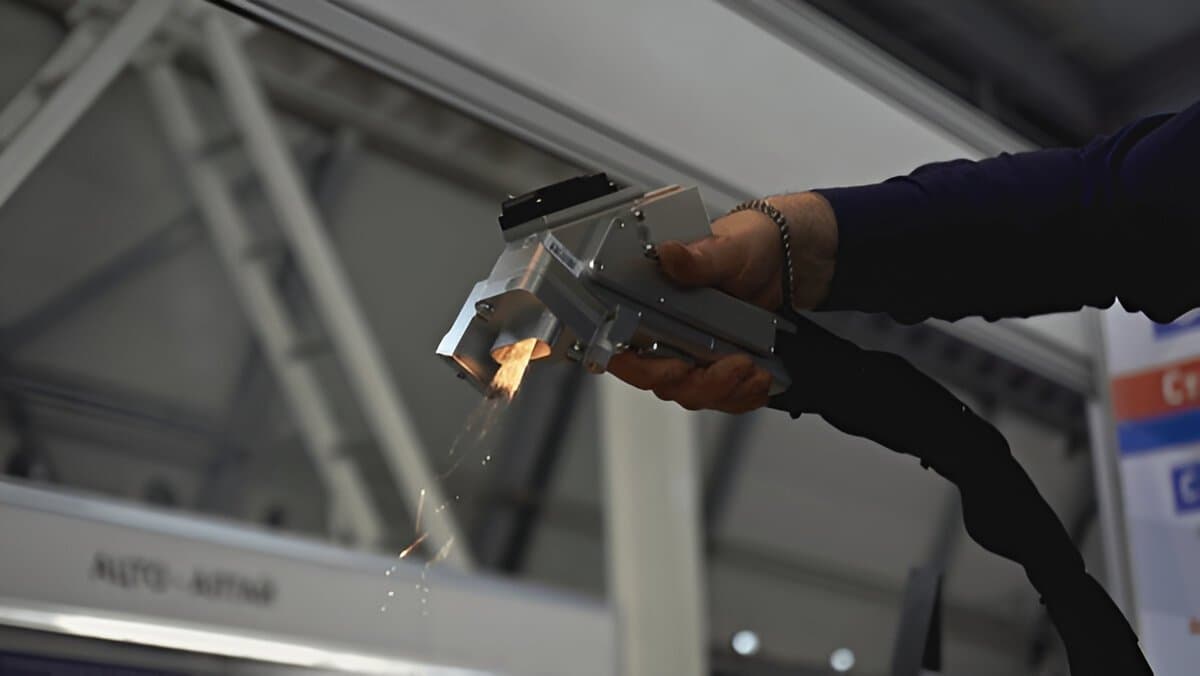
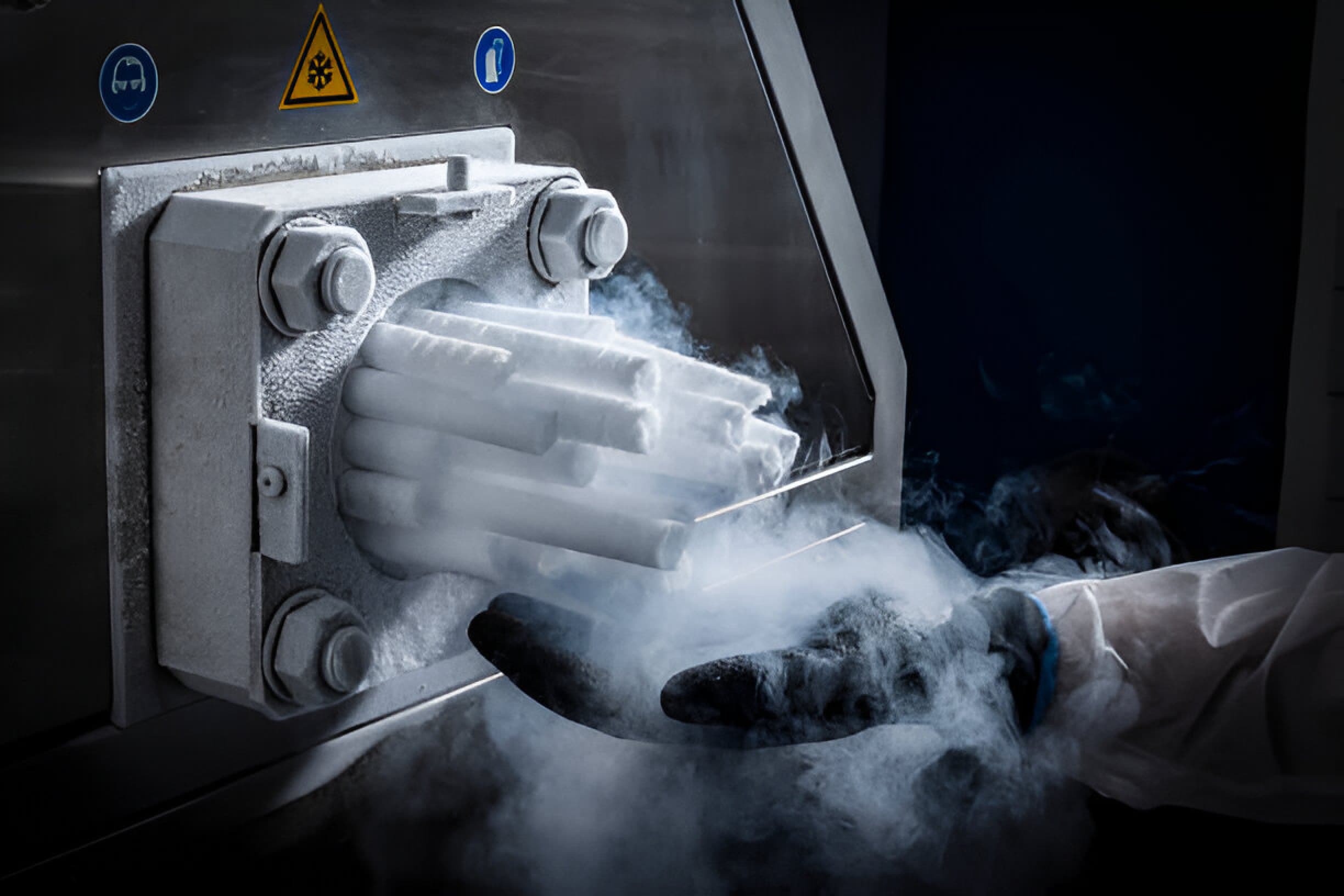
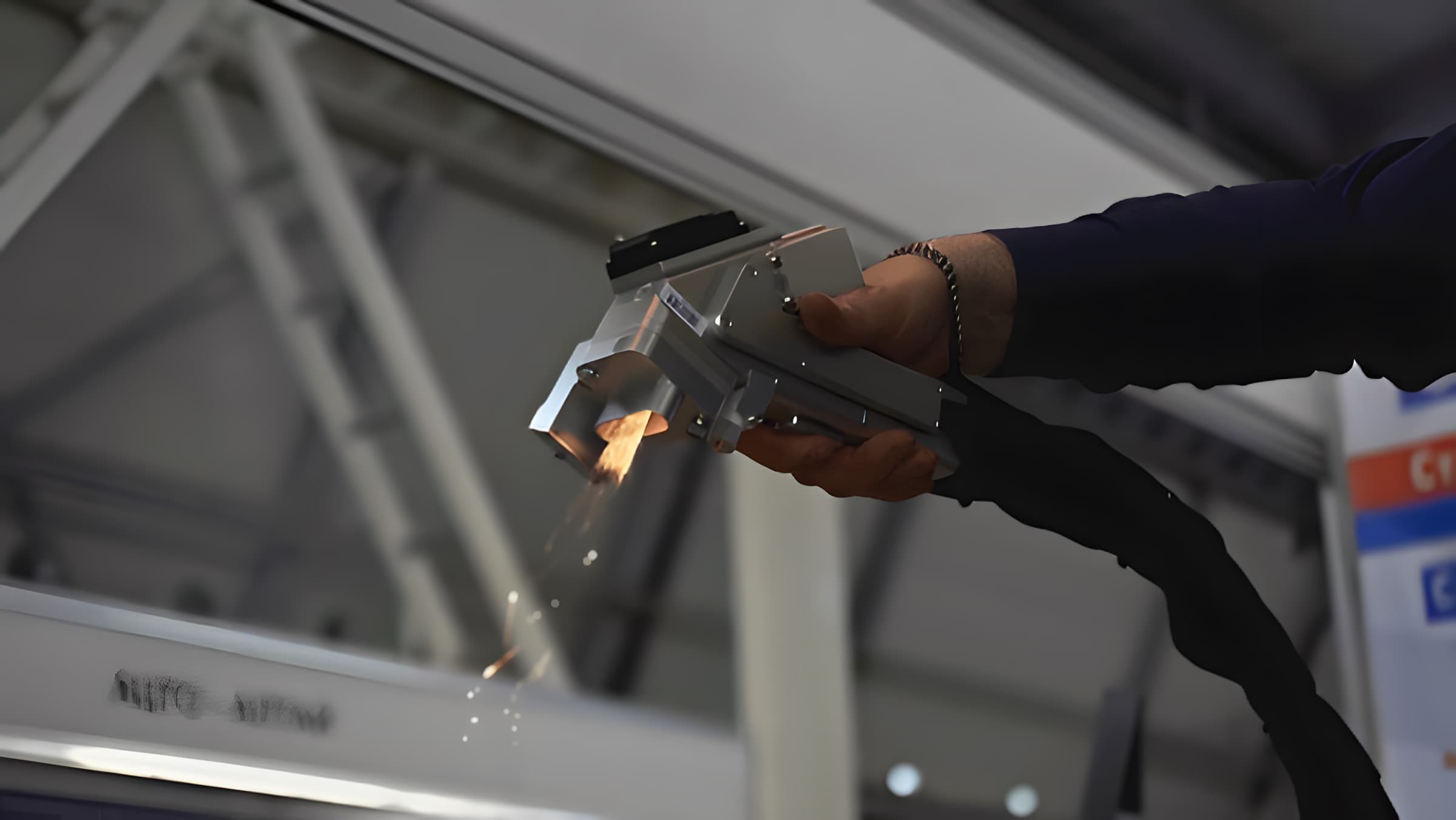
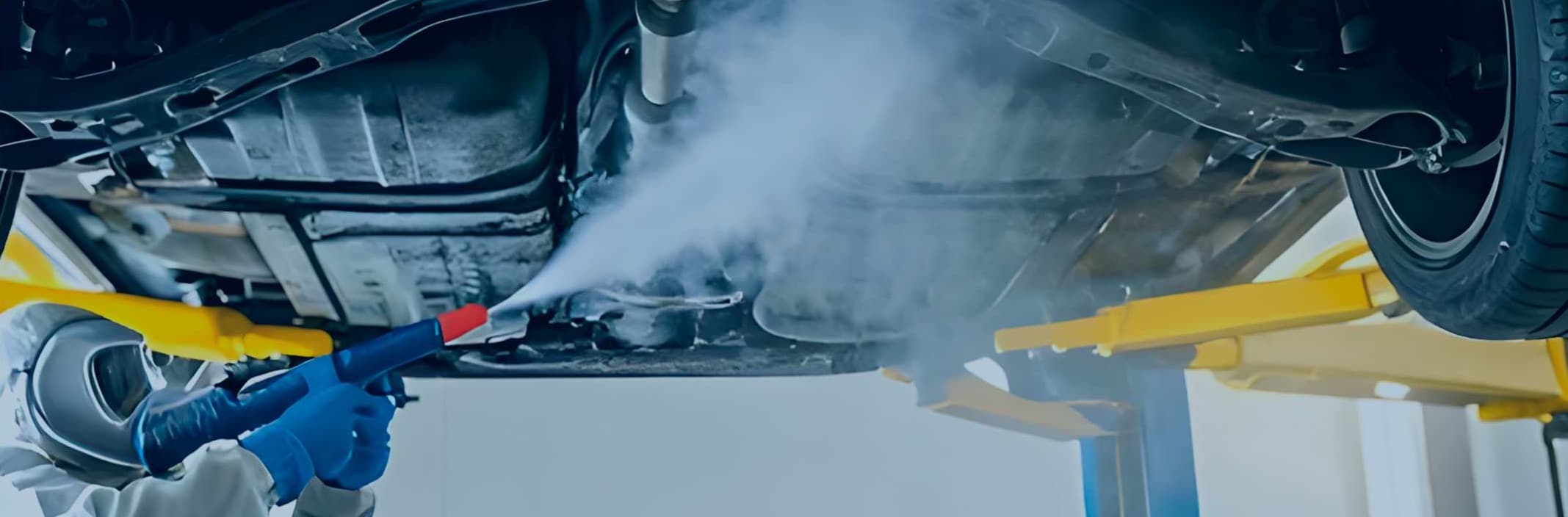
Dry ice blasting fires CO2 pellets at the surface with compressed air. The pellet hits, the cold makes the contaminant brittle, and the pellet turns to gas, lifting the grime off from underneath. The process uses no water and leaves no grit or chemical residue behind. Equipment can usually stay in place, motors and panels included, with lockout and light masking.
Dry ice blasting jobs we quote in Greater Vancouver mostly fall between $1,500 and $8,000. Crew rates run $95 to $250 an hour depending on crew size and equipment, mobilization within Metro Vancouver is usually $250 to $600, and dry ice costs about $3 to $5 per kilogram delivered. Our breakdown of dry ice blasting cost in BC walks through each line of a quote.
For a production plant, the line that matters most is restart. Surfaces are dry when the crew packs up. Once the guards are back on and lockout is cleared, the line can run. Nobody leaves fans going overnight or checks the gearbox for water on Monday morning.
Worked example: a packaging line in Delta
Take a typical scope. A food packaging plant in Delta’s Tilbury industrial area runs a quarterly deep clean on one line: conveyors, gearboxes, frames and guarding coated with grease, cardboard dust and product residue. The plant values lost output on that line at about $2,000 an hour.
In-house pressure washing, per quarterly clean:
- Two maintenance techs, Saturday overtime, 10 hours each at $80 an hour loaded: $1,600
- Degreaser: $200
- Vac-truck pickup and disposal of the captured wash water: $900
- Washer upkeep and amortization: $150
- Average repairs traced to washing (a sensor or a seal about every third wash): $500
- Line restarts three hours late on Monday while gearboxes and belts dry: $6,000 in lost output
Total: about $9,350, of which $3,350 leaves the building as cash.
Dry ice blasting contractor, same scope:
- Mobilization: $400
- Two-person crew, seven hours at $220 an hour: $1,540
- Dry ice, about 300 kg at $4: $1,200
- Masking materials: $100
- One plant tech on lockout for two hours: $160
- Line restarts Saturday evening on schedule: $0
Total: about $3,400.
On cash alone, the two options sit $50 apart. Add the late restart and the repair average, and the plant saves close to $6,000 a quarter, roughly $24,000 a year on one line. The two techs also get their Saturday back, or spend it on PM work.
Your figures will be different. The value of an hour of downtime decides this comparison, and only your plant knows that number. If the line sits idle on Monday morning anyway, a late restart costs nothing and the in-house option gets much closer. If you run three shifts, it gets further away.
Where in-house pressure washing is the better buy
Keep the washer for:
- Exterior concrete, sidewalks and building siding, where water drains to a proper system and nothing electrical is nearby
- Truck wash bays and wash pads built with an oil-water separator
- Stainless food equipment rated for washdown and cleaned daily as part of a sanitation program
- Mud and light dirt that comes off with water alone
Dry ice has limits of its own, and you should know them before you hire anyone. It’s loud, often over 110 dB at the nozzle, so the crew and anyone nearby need hearing protection, and the work gets scheduled around staff. In small, closed rooms the CO2 needs ventilation and air monitoring under WorkSafeBC confined space rules. It strips grease, carbon, paint and residue well, but it won’t take off heavy rust or mill scale, and it won’t cut a surface profile for coating. That work calls for laser cleaning or abrasive methods. For very thick, wet sludge, a scraper pass first saves ice and money.
Our recommendation
If the equipment has motors, bearings, electrical or sensors, or if the wash water has no legal place to go, stop pressure washing it in-house and get a dry ice blasting price for your next shutdown. Put it beside your real in-house cost, with the downtime and repair lines filled in from your own records. For production equipment, the hose rarely wins that comparison.
Keep the pressure washer for the outside of the building.
FAQ
Is dry ice blasting more expensive than pressure washing?
Per hour, yes. Per clean, often not. Once labour, wash water disposal, dry-down time and repairs are added to an in-house pressure washing job, the cash cost is usually close, and the downtime savings go to dry ice.
Can dry ice blasting clean electrical panels and motors?
Yes. Dry ice leaves no moisture behind and doesn’t conduct electricity, so motors, panels and control cabinets can be cleaned in place. The equipment is locked out and de-energized for the work, as it would be for any cleaning near live parts.
What happens to the dirt after dry ice blasting?
The CO2 turns to gas. The grease and debris that came off the equipment fall to the floor and get swept or vacuumed up. There’s no wash water to capture and no spent media to haul away.
How soon can equipment restart after dry ice cleaning?
As soon as the guards are back on and lockout is cleared. Surfaces are dry when the crew finishes, so there’s no dry-down period to wait out.
Getting a price for your plant
Laser Sharks crews are fully insured, work under WorkSafeBC requirements on every site, and the company was named Best Cleaning Services in BC 2025 by the CBRB. We work across the Lower Mainland, from Richmond and Annacis Island to Burnaby and North Vancouver, and schedule around planned stops and weekend shutdowns. Send photos of the equipment, the rough size of the job and your shutdown window, and we’ll come back with a line-by-line price you can set beside your in-house numbers. You can request a free quote or call 236-660-4248.