A six-unit strata in Burnaby. Kitchen fire on the third floor. By the time the engines clear, soot has migrated through the common hallway and into two adjacent units. The property manager is on speakerphone with the insurance adjuster, a restoration generalist is quoting same-day, and the owners want timelines nobody can promise yet.
This is the moment most fire damage cleanup decisions in Vancouver get made badly. The first call is rarely the right call. Twenty years working post-fire scenes across the Lower Mainland tells us the same story: property managers who slow down for two hours, document properly, and pick the right method save weeks on the back end.
Here is what experience says actually matters in those first 48 hours, and why the BC property management context is different from what generic restoration content describes.
The first 48 hours: what insurance adjusters actually need
Insurance carriers in BC pay claims faster when the documentation lines up the way they expect. That does not mean more photos. It means specific photos, paired with a written scope from a contractor who knows what they are looking at.
Three categories carriers track:
Affected surfaces by material. Drywall, original-finish wood, painted steel, exposed concrete, HVAC ducting, electrical panels. Each has a different recovery path and a different per-square-foot cost. Adjusters want this broken out before any cleaning starts.
Smoke type. Protein smoke from kitchen fires behaves differently than wet smoke from synthetic burns. Same building, same square footage, costs can swing 40% based on this single variable. Most generalist restoration crews skip this in the initial assessment.
Air pathways. Where did soot travel? Through hallway gaps, return air vents, elevator shafts. Adjusters need to know the full contamination footprint before they sign off on scope.
If your first contractor on-site does not separate these, expect scope creep at week three when the owners discover soot in unit five and the claim gets reopened.
Dry ice blasting versus chemical cleaning for soot
This is where method selection drives the timeline.
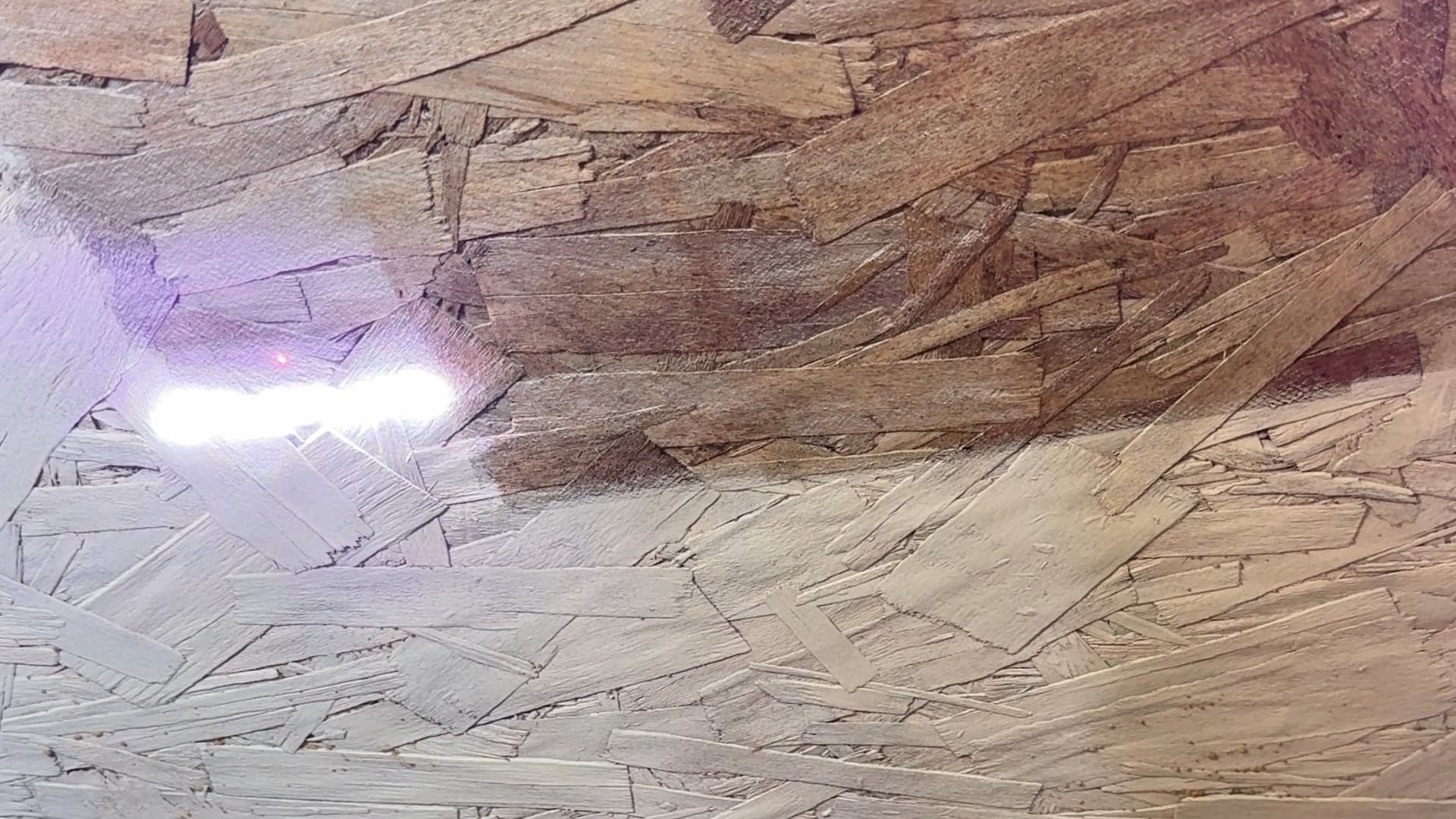
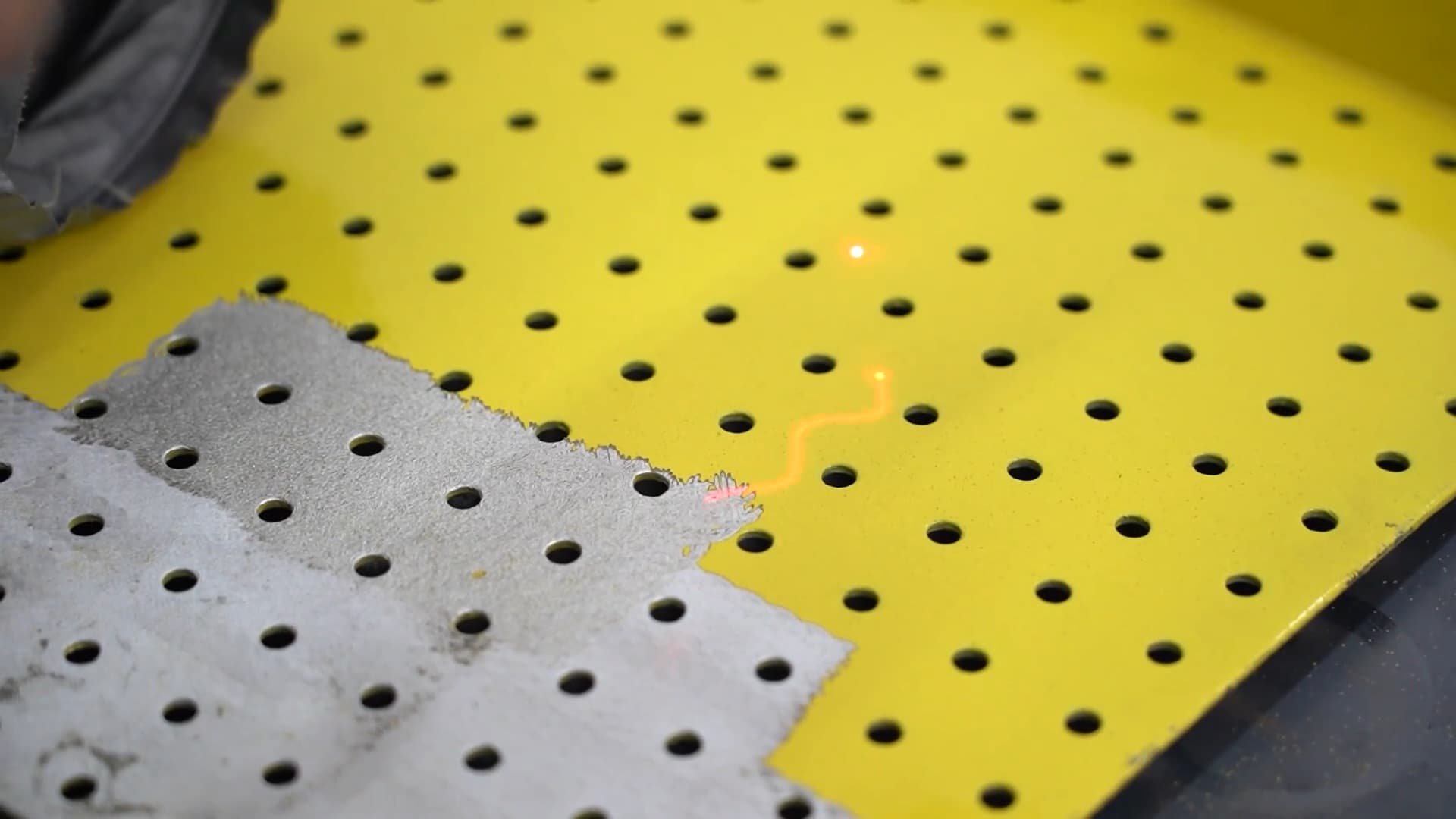
Traditional fire damage cleanup runs on chemical degreasers, encapsulants, and a lot of wiping. It works on smooth surfaces. It struggles on porous brick, original-finish wood, ductwork interiors, and anywhere soot has settled into texture or grain.
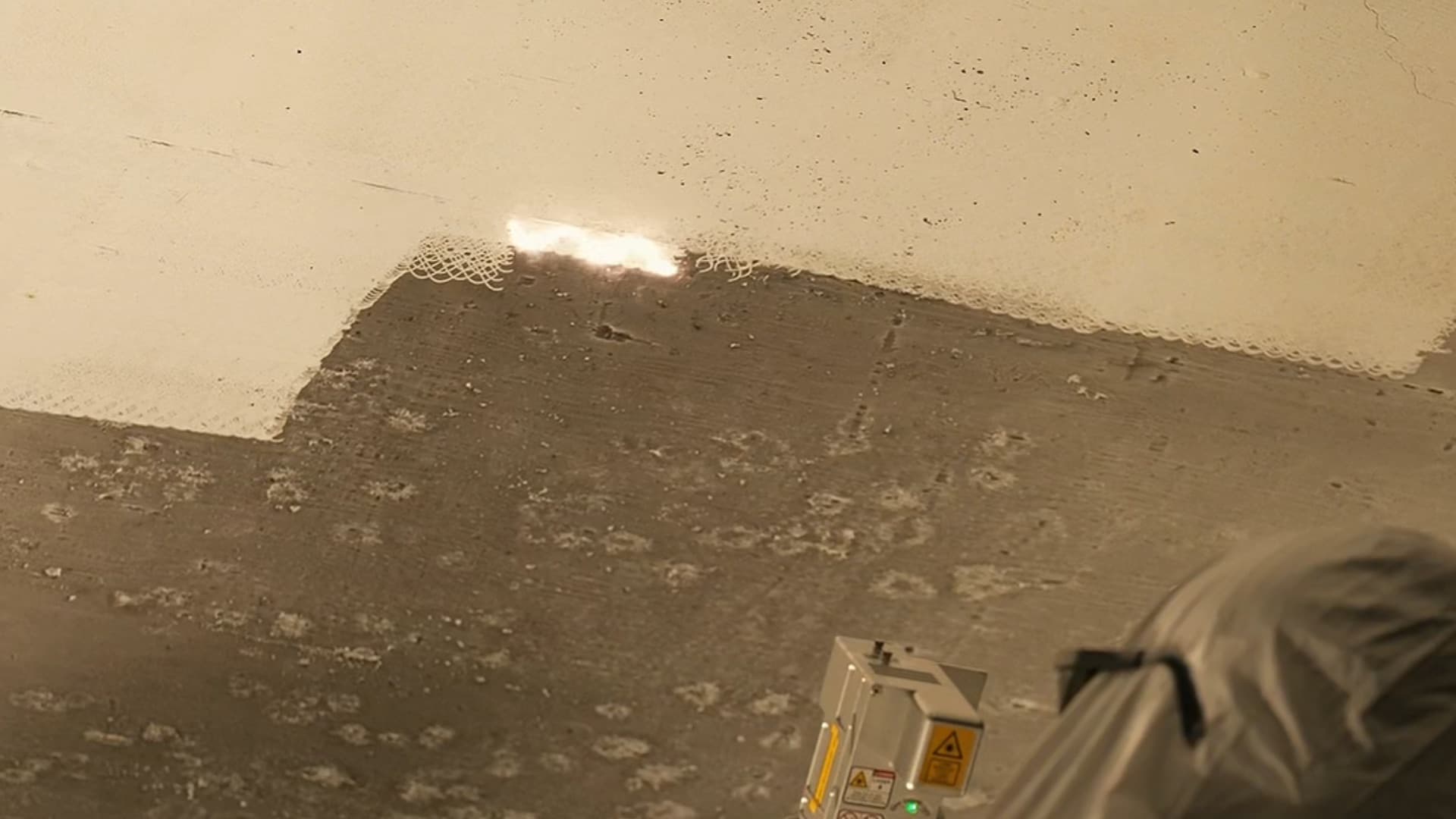
Dry ice blasting uses solid CO2 pellets that sublimate on impact. No moisture added to a building that already has water damage from suppression. No chemical residue to test for after the work. No secondary waste beyond the soot itself, which gets HEPA-vacuumed during the process.
For property managers, the practical difference shows up in three places:
Porous substrates. Heritage brick in Gastown, original Douglas fir in older Mount Pleasant walk-ups, exposed concrete in Yaletown loft conversions. Chemicals push soot deeper into the material. Dry ice lifts it off the surface.
Occupied buildings. Adjacent units in a strata do not want to evacuate for two weeks while chemicals offgas. Dry ice cleanup typically allows residents back within 24 hours of completion, not seven days.
HVAC and electrical. Anything that cannot get wet but needs decontamination. Dry ice handles electrical panels, motors, and ductwork interiors that chemical methods cannot safely touch.
The catch: dry ice does not replace every step. Heavy soot deposits on flat drywall still get traditional wipe-down. The method matters where the substrate matters.
BC strata versus commercial timelines
A common mistake property managers make is assuming a commercial restoration timeline applies to a strata building. It does not.
Commercial single-tenant (a Richmond warehouse, a Delta light industrial unit): owner, insurance, contractor. Three parties. Decisions move in hours.
Strata residential (a Burnaby six-pack, a North Vancouver four-storey): owner association, property management, individual unit owners, two or three insurance policies in play (strata, unit, sometimes contents). Decisions take days.
Plan for it. The strata council meeting cannot be scheduled at 9 PM on a Tuesday because the building burned that morning. Owners need 48 hours to absorb what happened. The cleanup contractor who promises a Tuesday start is making promises they cannot keep on a Friday fire.
Realistic windows we see in Greater Vancouver:
- Single-unit commercial fire damage cleanup: assessment day one, work starts day two or three, complete in three to ten days depending on scale
- Multi-unit strata: assessment day one or two, work starts day five to seven after council and owner alignment, complete in two to four weeks for a moderate scene
- Heritage buildings on the City of Vancouver register: add a week minimum for heritage planner sign-off on method
Communicate these windows to the strata council on the first call. Owners who expect three days and get three weeks file complaints. Owners who expect three weeks and get two are calm.
Real cost ranges for BC fire damage cleanup
Public price lists do not exist for restoration because no two fires are the same. But honest range talk helps property managers set realistic expectations with their councils.
For Greater Vancouver fire damage cleanup, what we typically quote:
- Light smoke contamination, single commercial unit (under 2,000 sq ft, no structural damage): $3,500 to $9,000 for the cleanup phase
- Moderate multi-unit strata smoke migration (three to six units affected, hallway and common area work): $12,000 to $35,000
- Heavy fire scene with structural soot penetration (origin unit fully impacted, multiple adjacent units): $25,000 to $80,000 for cleanup alone, before reconstruction
These are cleanup numbers only. They do not include drying, demolition, rebuild, or contents restoration. They assume reasonable access and standard substrates. Heritage buildings, high-rise access constraints, or asbestos abatement requirements push numbers up materially.
What drives the variance:
- Square footage of soot contamination (not square footage of the fire)
- Substrate mix (smooth painted surfaces clean fast; porous masonry does not)
- HVAC contamination depth
- Whether dry ice or chemical method gets used (cost roughly comparable but timeline differs)
- Heritage or specialty substrate flags
- Insurance documentation standards required
A quote 30% below the range usually means the contractor missed a substrate category. A quote 50% above usually means they are padding for unknowns the assessment did not capture. Ask both groups to walk you through their scope breakdown line by line.
WorkSafeBC and the silica question
Most property managers do not think about WorkSafeBC during a fire damage cleanup. They should.
If the fire damaged concrete, masonry, or any silica-bearing material, and the contractor plans to use abrasive methods to remove damaged surface layers, WorkSafeBC exposure rules apply. That means containment, respirators, and air monitoring on every shift.
This is one of the structural reasons we see chemical and abrasive methods losing ground to dry ice in BC. Dry ice blasting does not generate silica dust. Containment and monitoring requirements drop. Time on-site drops. Contractor cost drops, and on a competitive quote that flows through to the property manager.
Ask your contractor about their WorkSafeBC silica exposure plan if any concrete or masonry is in scope. The answer tells you whether they have actually thought through the job.
When to call a generalist versus a specialist
Restoration generalists exist for a reason. They handle water extraction, structural drying, demolition, contents pack-out, and rebuild coordination. Most fires need all of that.
What generalists often subcontract or skip:
- Dry ice blasting for porous substrates and equipment
- Heritage-approved cleaning methods
- HVAC ductwork decontamination
- Industrial equipment cleanup in mixed-use buildings (commercial bakeries, breweries, manufacturing tenants in strata buildings)
If your scene includes any of those, the right move is to have the generalist running the overall project and a specialist running the cleaning phase. Two crews, one scope, fewer surprises at handover.
For a single-tenant commercial fire with mostly painted drywall and smooth surfaces, a generalist alone is fine. For anything with brick, original wood, food-grade tenants, heritage status, or HVAC contamination, specialist involvement on the cleaning phase pays back the coordination cost.
The trust questions worth asking before signing
Property managers we work with regularly ask three questions on the first call. They cut through the sales pitch fast.
First: walk me through your method choice for this specific scene, and why not the alternative. If the answer is generic, the assessment was generic.
Second: what is your WorkSafeBC compliance approach for this job. If the contractor hesitates, they may not have one.
Third: who signs off on the final inspection, and what does pass-fail criteria look like for soot residue on porous substrates. If they do not have written criteria, the handover dispute is already scheduled.
Laser Sharks operates fully insured, WorkSafeBC compliant, with industrial cleaning specialists who have run post-fire scenes across Greater Vancouver from Burnaby industrial parks to North Vancouver strata to heritage stock in Mount Pleasant. The CBRB Best Cleaning Services in BC 2025 award reflects what property managers and insurance partners have come to expect.
If you have a fire scene active right now or are building out preferred-vendor lists for next time, the cleanup phase is where the timeline and the claim outcome get decided. Get a quote at /quote, see recent work in /gallery, or learn how dry ice blasting handles the substrates that chemical methods cannot.
Common questions
What do insurance adjusters need in the first 48 hours after a fire?
Documentation of a non-destructive method and a method statement showing the substrate was preserved. That is what keeps a claim from being disputed later.
Is dry ice blasting better than chemical cleaning for soot?
For most porous and non-porous surfaces, yes. It lifts soot without driving it deeper or adding moisture, which wet and chemical methods often do.
How much does commercial fire damage cleanup cost in BC?
It ranges widely by size and contamination, and strata and commercial timelines differ. Scope is set after an on-site assessment, not over the phone.
Related reading
- Post-Fire Industrial Cleanup: What Insurance Won’t Pay For Twice
- Heritage Building Cleaning in Vancouver: Low-Impact Methods
Compare options for your site with our restoration quote service, or request a quote.