The City of Vancouver heritage planner has rejected more pressure-washing proposals than most owners realize. In Gastown, Chinatown, and parts of Mount Pleasant, the conservation review will stop a job before the contractor sets up. What works on a modern concrete tilt-up will not pass on an 1899 sandstone façade, and the planner knows it.
That is the practical problem heritage building cleaning in Vancouver has to solve. Owners want soot, biological growth, paint, or graffiti off the original substrate. The city wants proof that the method will not etch, scour, or saturate the masonry. Insurance carriers want documentation. Trades on adjacent units want no overspray onto their patios. Heritage building cleaning in Vancouver lives inside that box.
After two decades running industrial cleaning work across Greater Vancouver, we have learned which methods survive that review and which methods get the file flagged at the first site visit.
What gets rejected at the heritage planner desk
High-pressure washing on heritage masonry usually fails on three counts.
First, it drives water deep into porous brick and lime mortar. Vancouver brick laid before 1930 was bedded in soft lime mortar that lets the wall breathe. Force water into that joint at 3,000 PSI and you migrate salts, lift surface laminations, and start a freeze-thaw cycle that will not show up for two winters. By then the contractor is long gone.
Second, chemical strippers eat the original patina. On heritage sandstone (the buff-grey block facing many older Vancouver storefronts), even mild alkaline cleaners can dissolve the surface skin that protected the stone for a century. The planner sees fresh, raw stone next to weathered stone and rejects the result.
Third, abrasive blasting removes more substrate than the contaminant. Walnut shell, baking soda, garnet — the heritage file requires evidence that media pressure stays below the threshold that scours the original face. Most blasting setups cannot prove that.
So the conservation review keeps asking for the same thing: a cleaning method that touches only what should not be there.
Why laser cleaning passes the heritage review
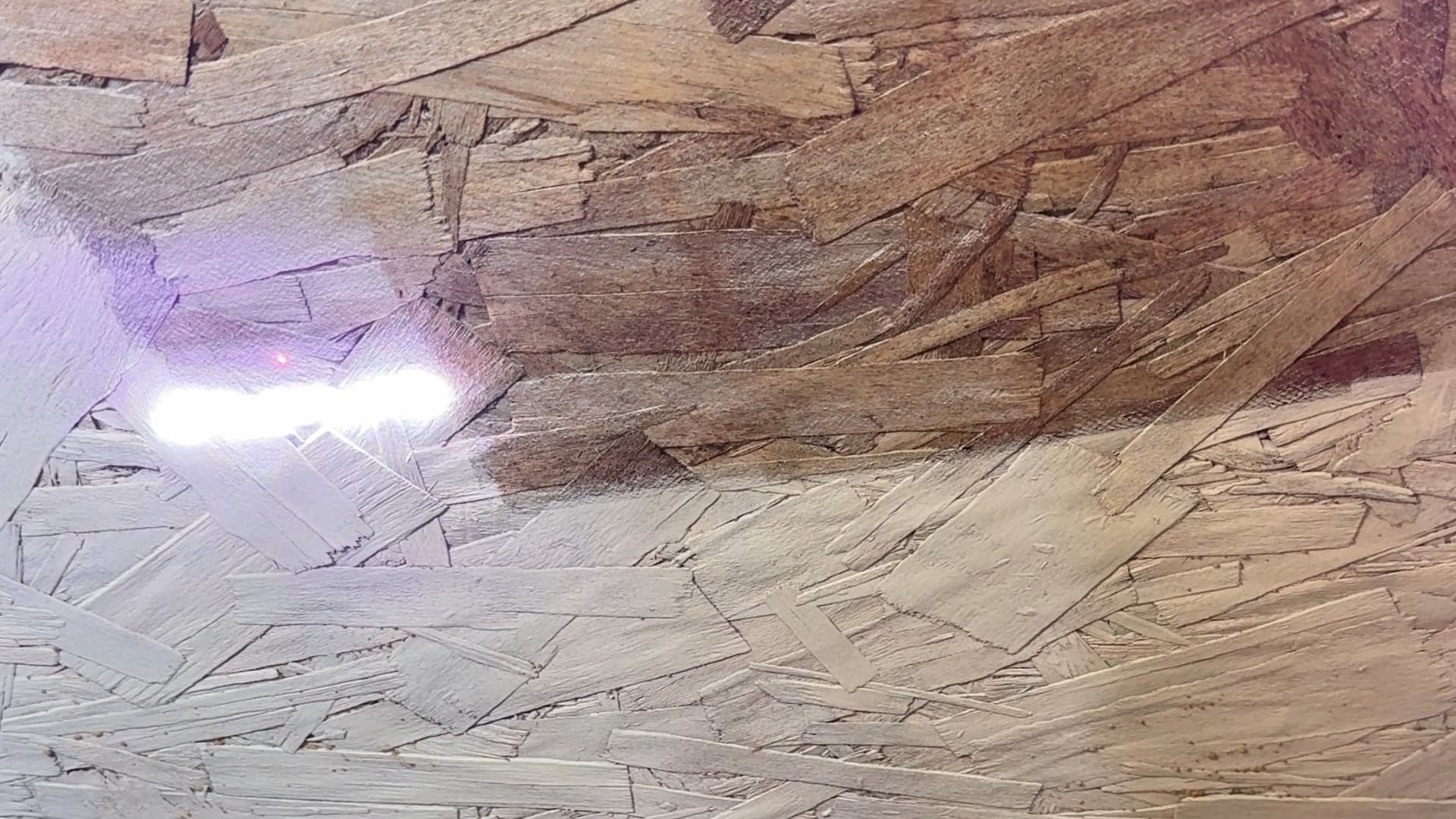
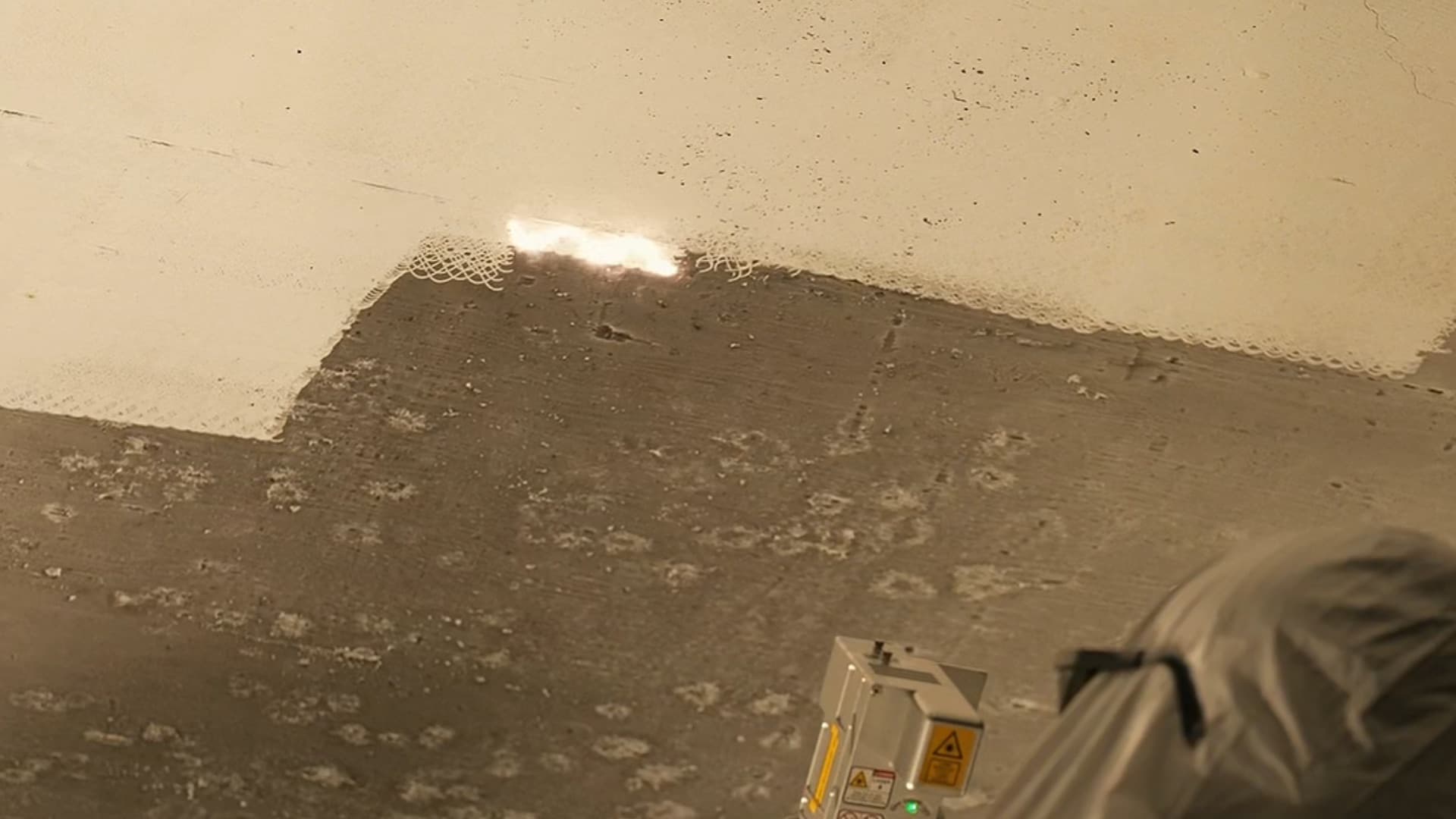
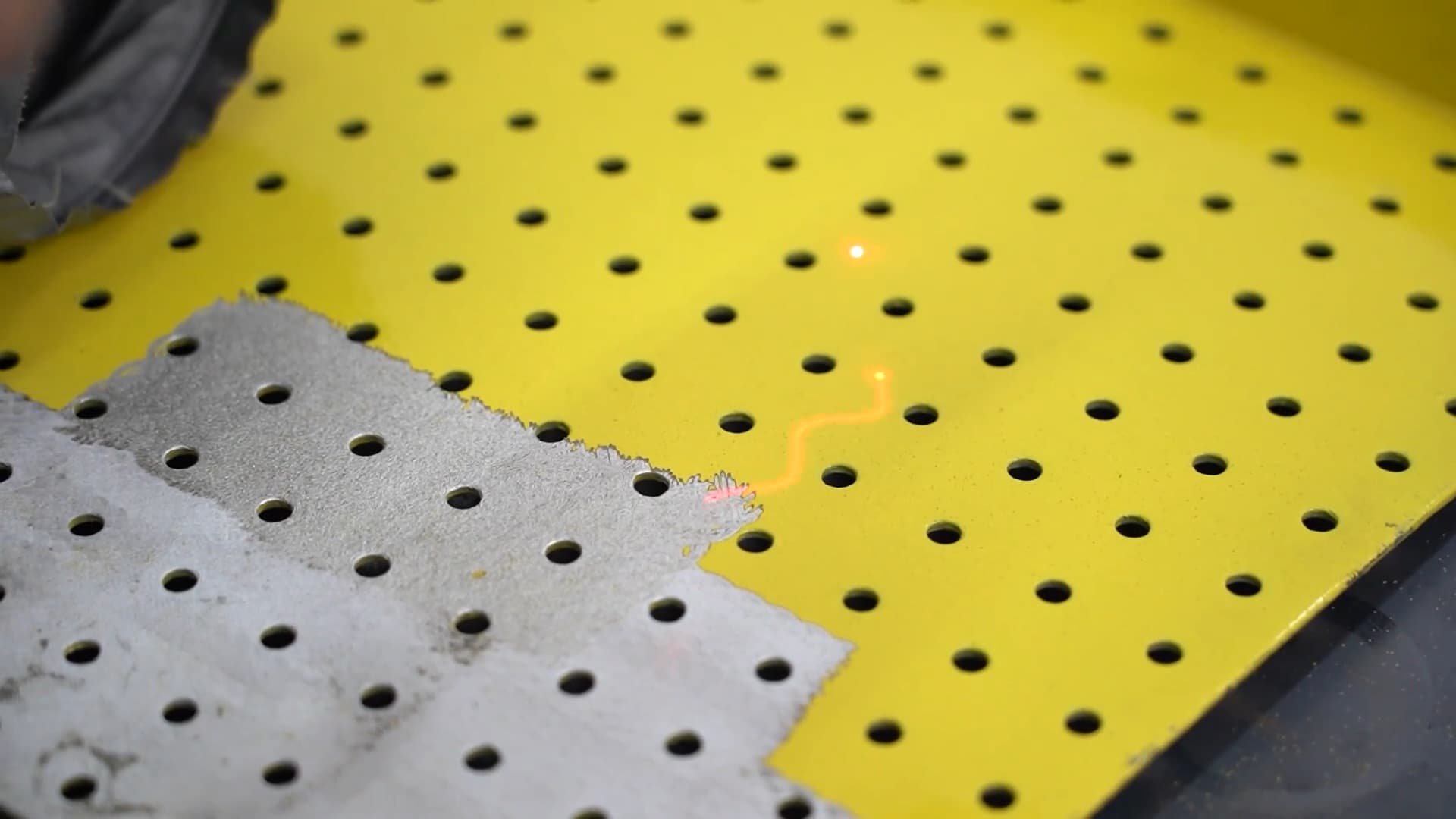
Laser cleaning removes only the contaminant layer. The beam tunes to the absorption properties of soot, paint, biological staining, or graffiti, and stops at the original masonry. No water, no chemicals, no media, no secondary waste running into the storm drain on Powell Street.
For a heritage façade, that profile maps onto the planner’s checklist almost line for line. The eco-friendly angle is not marketing language here. It is the difference between an approved permit and a six-week rewrite cycle.
We have used laser cleaning on:
- Painted-over brick in Gastown where prior owners covered original tan brick with three coats of latex from the 1970s. The laser pulled the paint without dishing the brick face.
- Sandstone window surrounds on a Mount Pleasant commercial conversion where pigeon staining and atmospheric soot had built up for forty years.
- Terra cotta detailing on a Yaletown warehouse loft conversion where the developer needed the original glaze preserved for the heritage tax credit.
Each of those would have triggered an enforcement letter under abrasive blasting.
Where dry ice blasting fits the heritage stack
Laser does not do everything. Dry ice blasting carries a complementary role on heritage work, and the two technologies cover the full surface-prep picture for designated buildings.
Dry ice is the right call for:
- Heavy soot deposits on brick after a fire next door. The pellets sublimate on contact and lift the soot without leaving residue.
- Biological growth (moss, lichen, algae) on north-facing façades where Vancouver moisture has fed the colony for decades. No chemicals, no rinse water, no runoff.
- Carbon deposits inside heritage industrial elements like old boiler housings or cast-iron storefront columns, where the substrate cannot tolerate moisture.
Dry ice runs cooler and broader than laser. Laser runs more selective and surgical. On a single heritage job we will often pair them: dry ice for the broad surface clean, laser for the precise paint or graffiti removal on detailing.
The real cost picture in BC dollars
Heritage cleaning quotes vary widely, and the variance is not the cleaning method itself. It is access, scaffolding, working hours, and conservation documentation.
For practical planning across Greater Vancouver projects:
- Laser cleaning of a heritage façade typically runs $1,200 to $6,000 per job for small targeted work (a storefront panel, a set of window surrounds, a section of paint removal). Whole-façade projects with scaffolding can move into the $15,000 to $40,000 range once you add lifts, weekend hours, and overnight noise windows.
- Dry ice blasting on heritage masonry runs $1,500 to $8,000 per job for typical scopes. Larger restoration packages with multiple elevations sit higher.
- Heritage documentation and conservation reporting adds $500 to $2,500 depending on what the planner asks for at intake.
Three factors drive most of the variance.
Access. A storefront at sidewalk level cleans for one budget. Anything above two storeys means scaffolding or a swing stage, and the rental clock starts before the first pellet flies.
Working hours. Many heritage districts have noise bylaws that push work into evening or weekend windows. That changes the rate.
Permit conditions. Some heritage files require a conservator on site, sample panels reviewed before full work, or staged photography for the file. None of that is wasted, but it shifts the timeline.
Heritage permit workflow: where the cleaning slot fits
Owners new to designated buildings tend to underestimate the permit side. Here is how the sequence usually runs in the City of Vancouver, based on jobs we have walked through.
The owner identifies a need (cleaning, paint removal, restoration after damage). For any work on a designated heritage building, a Heritage Alteration Permit is required before crews can start. The city expects a written scope, a proposed method, and supporting evidence that the method is reversible or non-destructive.
The conservation review sits inside the planning department. They will look at the proposed cleaning method and either approve, request modifications, or ask for a test panel. A test panel is the most common request on first-time files. Plan four to eight weeks for review depending on the time of year.
A test panel runs roughly $800 to $2,000 for laser or dry ice. The contractor cleans a defined small area, the conservator inspects, and the file moves forward (or shifts to a softer setting).
Full execution happens after approval. For a typical mid-sized heritage façade in Gastown or Chinatown, the cleaning portion runs three to ten working days once scaffolding is in place. Restoration trades like mortar repointing, sealant, and glazing follow the cleaning step.
The owner submits photographs and method documentation for the file at completion.
The slow part is the permit cycle, not the cleaning. Crews that have not run a heritage job before usually quote based on the cleaning days only and miss the four-to-eight-week front end. That breaks downstream schedules.
What goes wrong (and how to avoid it)
The most common heritage cleaning failure is not technical. It is communication.
Owners hire a generic pressure-washing crew, the planner sees the proposed method, the file stalls, and the owner now has six weeks of delay plus a rejected proposal on record. That rejection then shadows the next submission.
The second most common failure is over-cleaning. A first-time crew, given the green light, cleans the entire elevation to a uniform appearance. The planner expects differential cleaning that respects the building’s history. A century-old building should not look new. It should look honestly aged with the disfiguring contamination removed.
The third failure is method drift on site. The proposal goes in for laser cleaning, but the crew on the day pulls out a pressure washer for the lower sections to save time. Site inspectors do walk these projects. A change of method without approval can lead to a stop-work order on a designated building.
We tell every heritage client the same thing at the start: the cleaning method on paper is the cleaning method on site. No drift.
Why eco-friendly matters specifically on heritage work
Vancouver heritage districts are densely mixed-use. Gastown ground-floor businesses are operating during the day. Chinatown apartments are occupied above the retail. Mount Pleasant is now mostly residential conversions.
Methods that generate runoff, dust, or chemical drift are problems for everyone next door. A storm drain in Gastown empties into Burrard Inlet. A cleaning chemical poured down it triggers a Metro Vancouver report. A media-blasting setup that loses containment dusts the patio of the café next door, and that café manager will be the one filing the complaint.
Laser and dry ice both run as closed-impact methods. No water, no media, no secondary waste, no chemical drift. That fits the dense district better than any alternative we have used. It also tracks with the city’s broader environmental compliance posture, which has tightened steadily on heritage work.
Who runs these jobs in Greater Vancouver
We are fully insured, WorkSafeBC compliant, and have run industrial and heritage-adjacent cleaning across Greater Vancouver for over a decade. Heritage work specifically pulls together the eco-friendly side of our service profile (laser plus dry ice) and pairs it with the documentation and method discipline the city expects. Insurance carriers know the names of crews who can stand behind a heritage file. So does the heritage planner.
If you are starting a heritage cleaning conversation in Vancouver, the first useful step is a site walk before the permit application is drafted. We will look at the substrate, the contamination type, access constraints, and the realistic method profile. From there you have a defensible cleaning scope to submit to the conservation review.
Reach out through the quote form for a site walk, or take a look at heritage and façade work in the gallery before you decide on scope. Background on the underlying technology sits on the laser cleaning service page.
Heritage building cleaning in Vancouver is not about choosing the most aggressive method that gets the surface clean. It is about choosing the method that gets the surface clean and keeps the permit, the substrate, and the neighbour next door intact. The methods that do all three are the ones that survive the heritage review.
Common questions
Why does laser cleaning pass heritage review?
It removes paint and grime without abrading the original substrate, so it preserves the brick, mortar, and stone detail that heritage planners protect.
Does dry ice blasting fit heritage work?
Yes, for soot and coatings on surfaces where no moisture or media is acceptable. It pairs with laser on mixed-material facades.
Why does eco-friendly matter on heritage projects?
No chemical runoff and no secondary waste keep the job inside heritage and environmental rules, which is often a permit condition.
Related reading
- Laser Cleaning vs Sandblasting: When Each One Wins
- Post-Fire Industrial Cleanup: What Insurance Won’t Pay For Twice
Compare options for your site with our laser cleaning service, or request a quote.