Getting an industrial cleaning cost Vancouver quote that ranges from $800 to $8,000 for the same square footage doesn’t mean anyone’s lying to you. It means you’re comparing different methods, different access scenarios, and different problems.
I’ve watched facility managers panic when three contractors quote the same job at wildly different numbers. The lowest bidder shows up with a pressure washer. The middle quote brings dry ice blasting gear. The high quote includes scaffolding rentals and a three-day facility shutdown because nobody asked about ceiling access during the walkthrough.
None of them are wrong. They’re just solving different versions of your problem.
What Actually Drives Industrial Cleaning Cost Vancouver Numbers
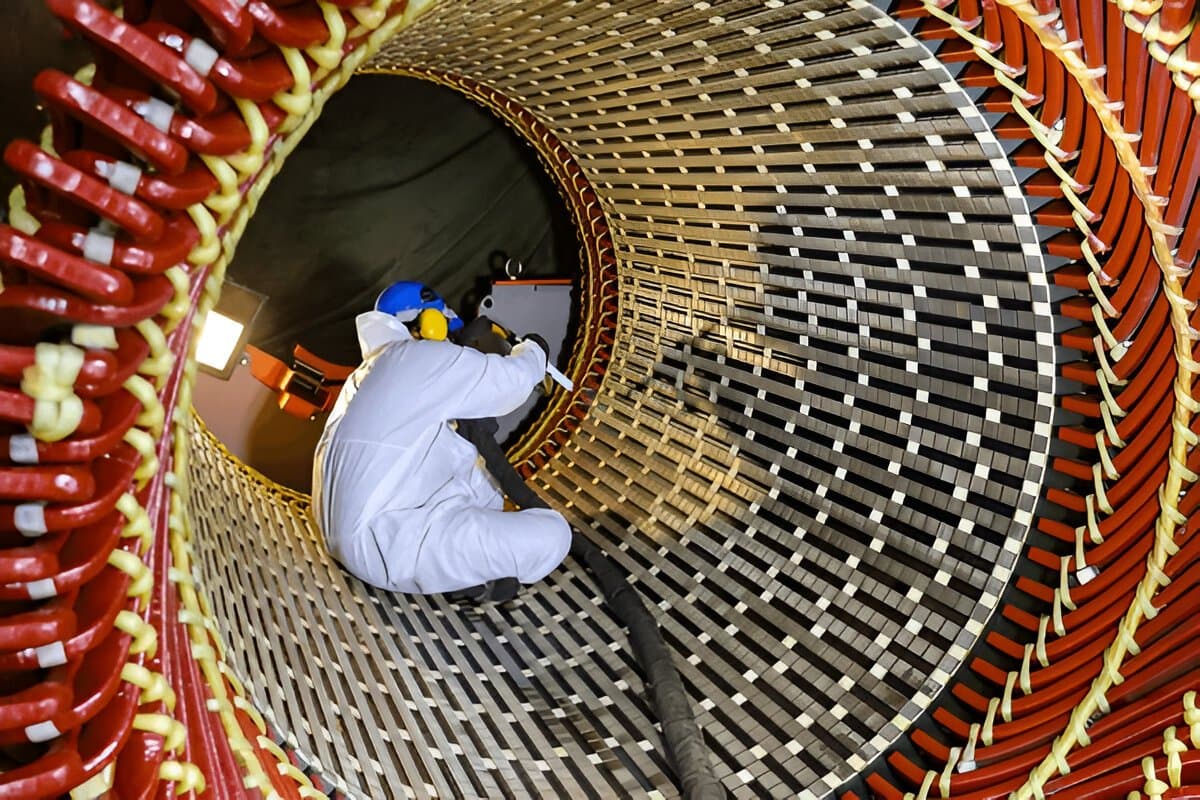
Square footage matters, but it’s never the whole story. A 500 square foot tank interior costs more to clean than a 2,000 square foot warehouse floor because you can’t walk a machine into a confined space. You’re looking at rope access or removing the entire top section.
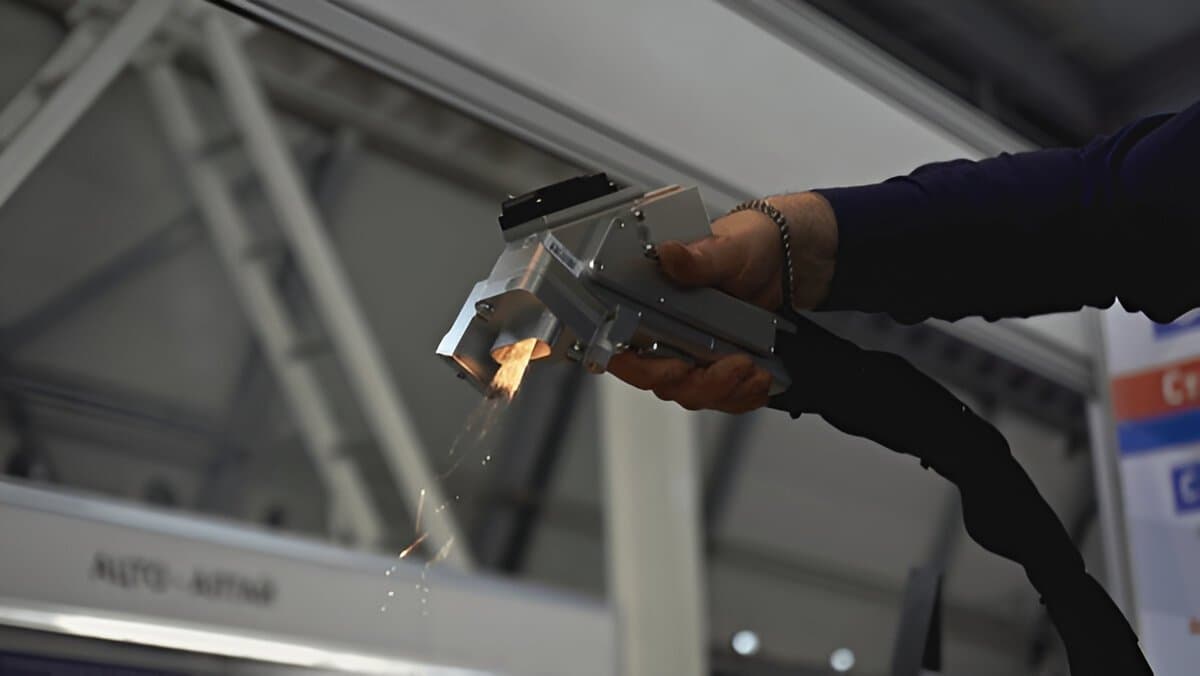
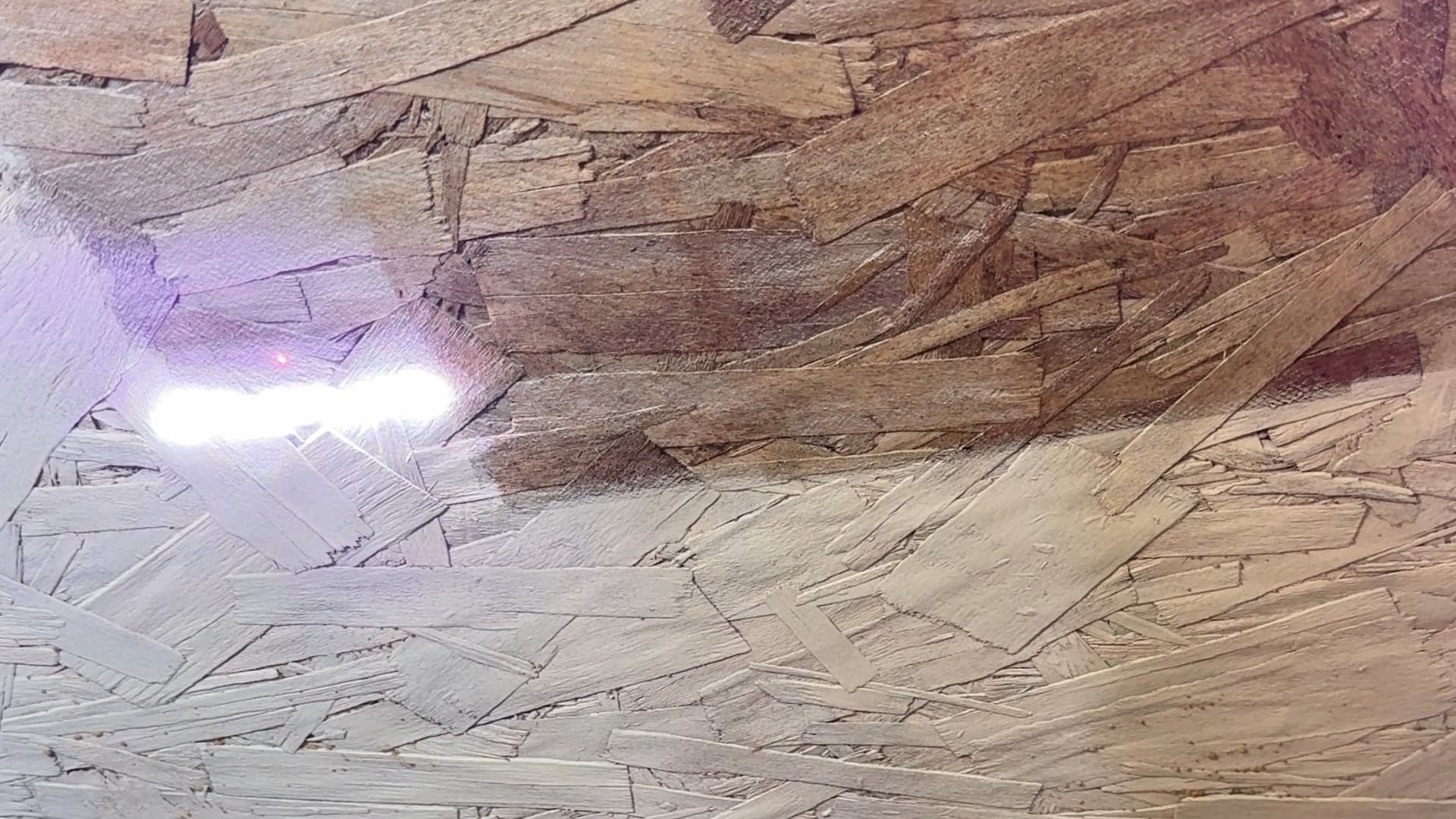
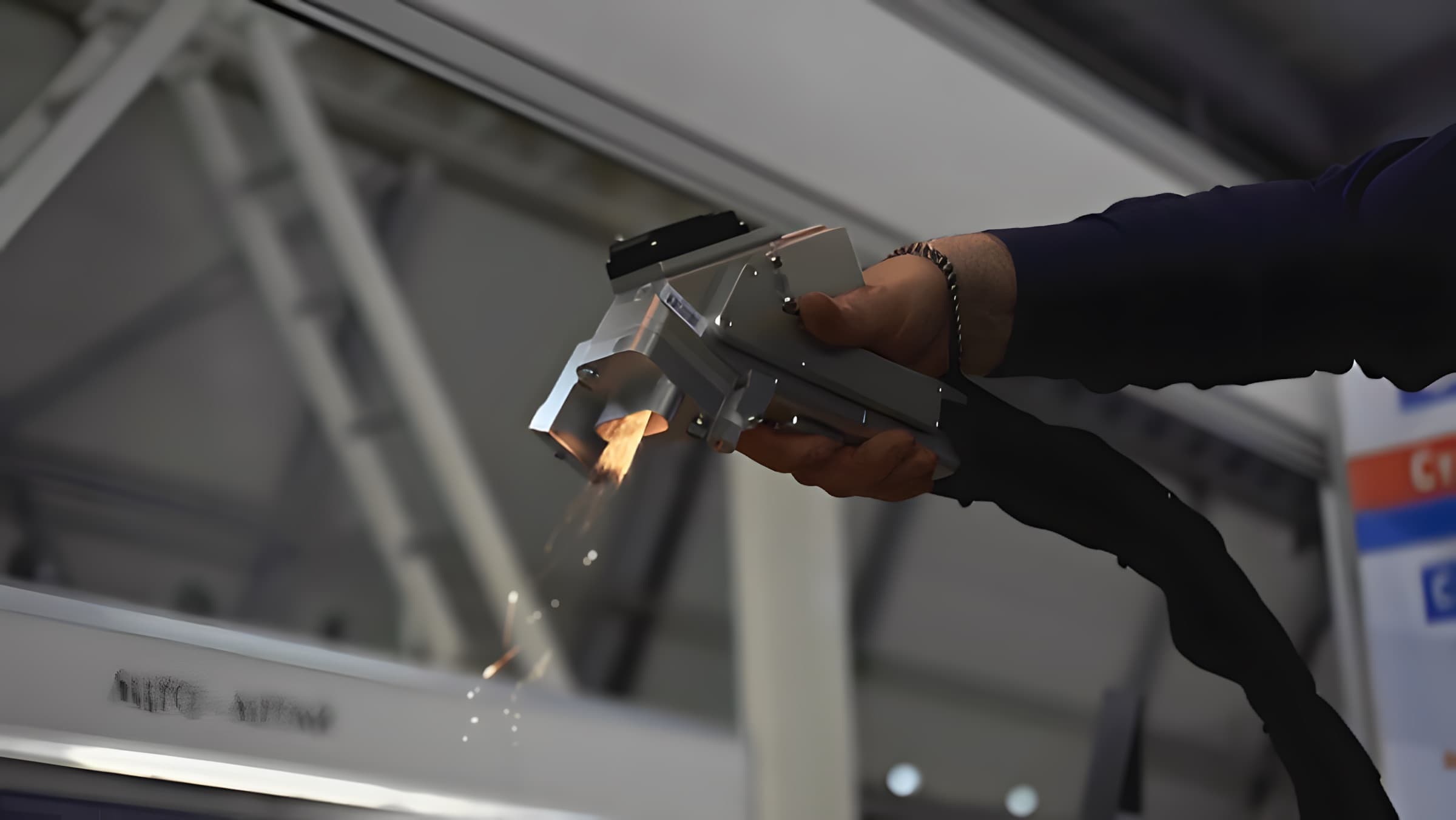
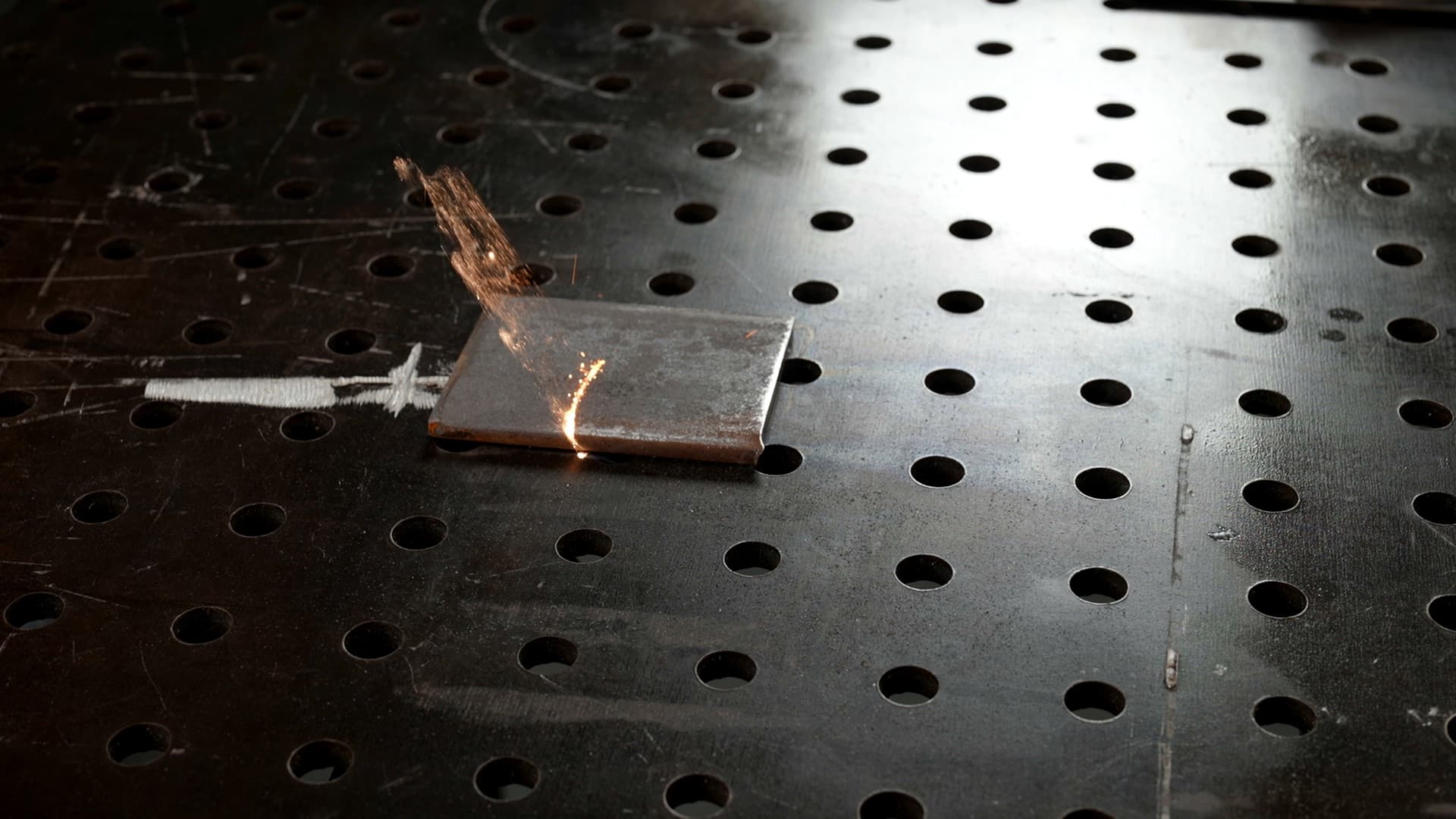
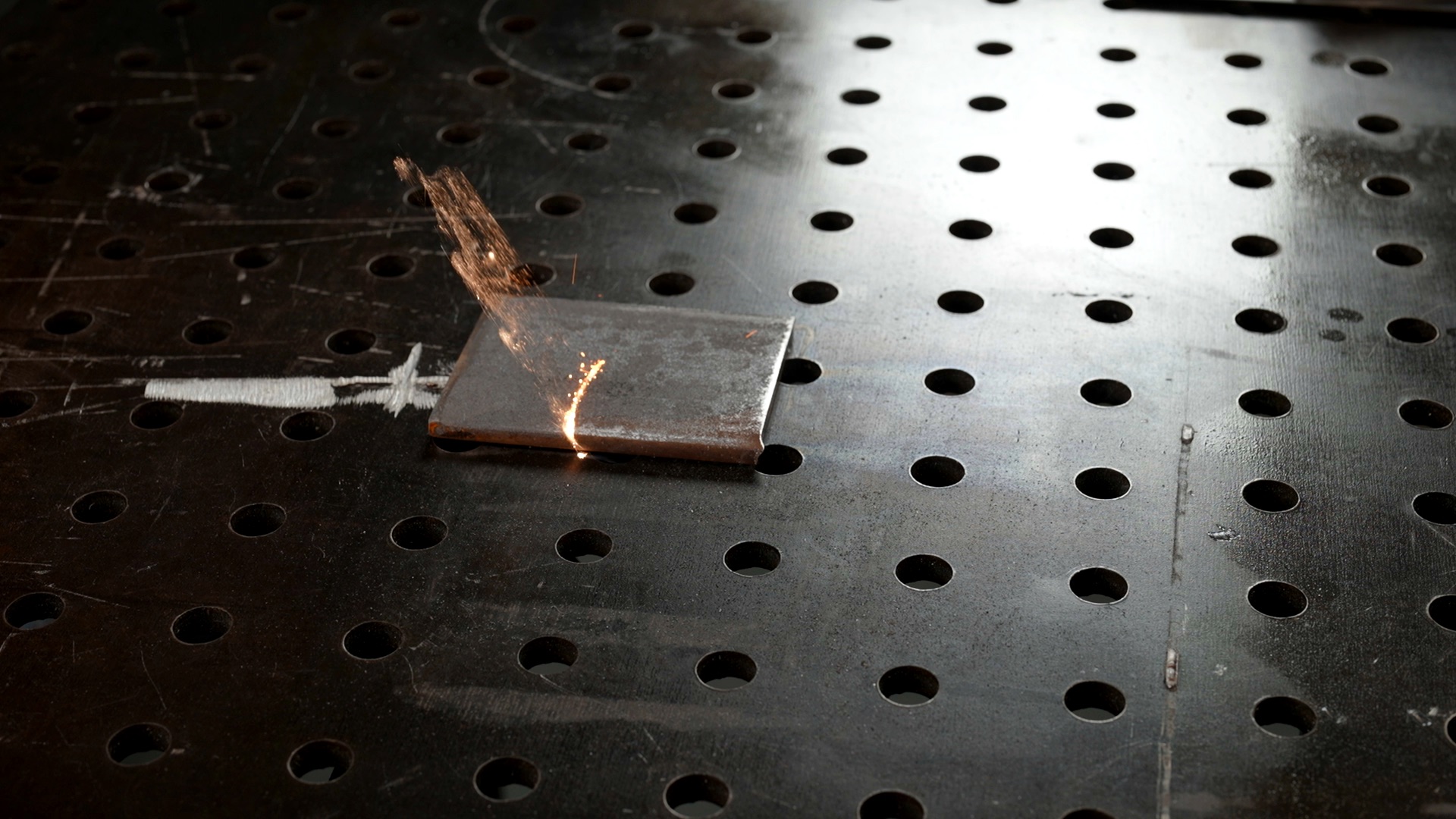
Method selection changes everything. Laser cleaning runs $150-$400 per hour depending on equipment class. Dry ice blasting sits at $95-$250 per hour. Chemical stripping might quote lower at $60-$120 per hour, but then you’re paying disposal fees that double the final invoice.
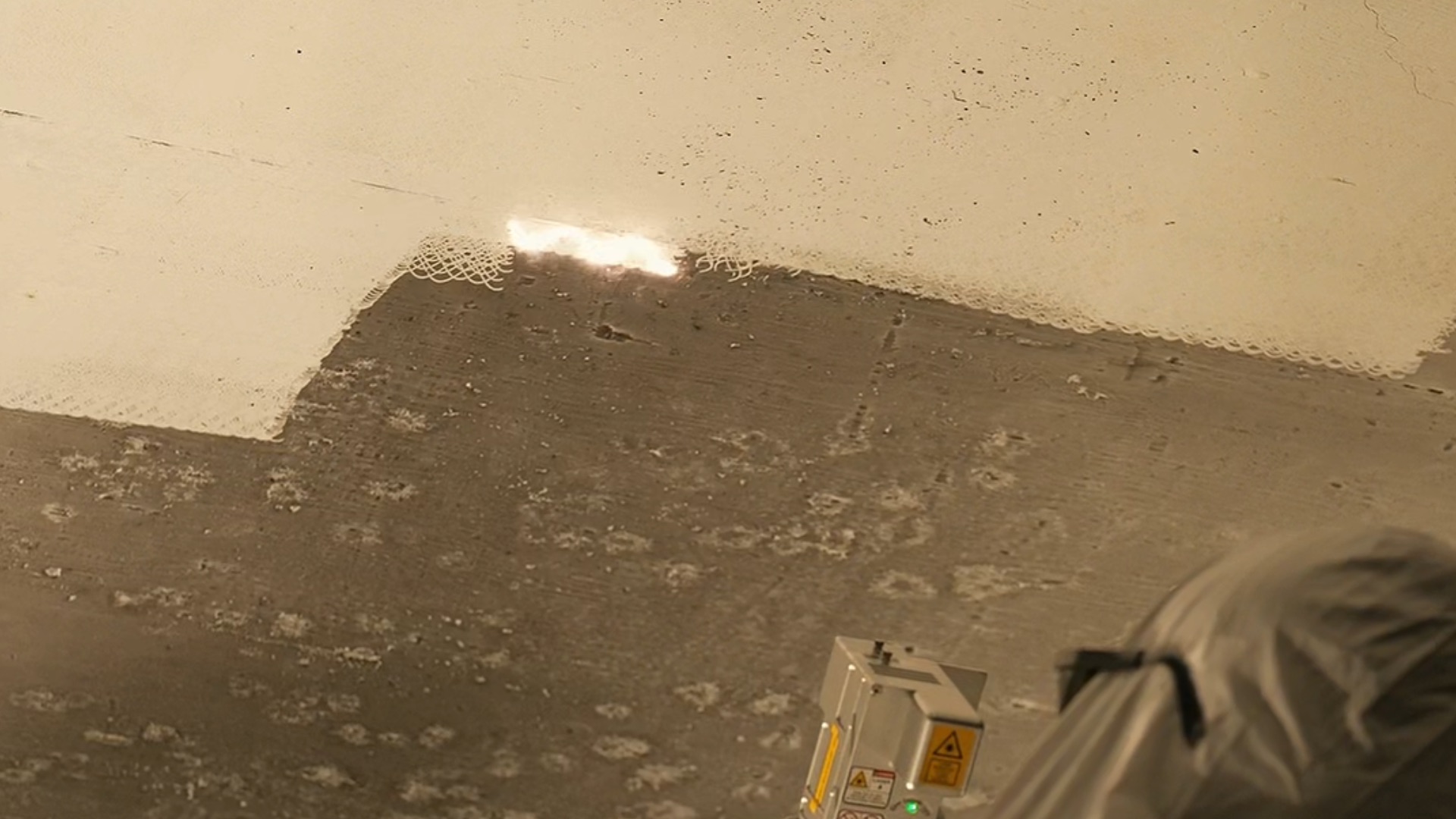
Contamination type separates the $2,000 jobs from the $12,000 jobs. Oil residue wipes off fast. Epoxy coatings need multiple passes. Lead paint requires containment barriers, air monitoring, and certified disposal. That’s not padding the quote — that’s WorkSafeBC compliance that costs real money.
Equipment access dictates labor hours more than the actual cleaning. Ground-level exterior walls? Fast. Second-story equipment housings? You’re renting a boom lift at $800-$1,200 per day before anyone touches your surface. Interior pipework above production lines? Now you’re shutting down operations or working overnight shifts at premium rates.
Real Vancouver Projects and What They Actually Cost
Richmond warehouse fire restoration last November: 3,200 square feet of soot removal from concrete and steel. Quote came in at $6,800 using laser cleaning for steel beams and dry ice for walls. Client got three other quotes ranging from $4,200 to $11,500.
The $4,200 quote assumed they could pressure wash everything. Wouldn’t work on the soot depth we measured. The $11,500 quote included full media blasting with containment and disposal — total overkill for that contamination level.
Surrey automotive shop asked for rust removal on 40 square meters of floor-mounted equipment. Laser cleaning quote: $3,400 over two days. Chemical treatment quote from another contractor: $1,800 but required four-day equipment shutdown and ventilation setup. Client picked laser because downtime cost them $2,000 per day in lost productivity.
The math only works when you count everything.
Burnaby manufacturing facility needed coating removal from aluminum components before re-coating. 180 pieces ranging from 30cm to 2 meters. Dry ice blasting quote: $8,900 including masking and detailed cleaning. Media blasting quote: $5,200 but required off-site transport and introduced surface profile changes that failed their spec requirements.
They paid more. Got exactly what they needed.
Certification Requirements That Multiply Costs
WorkSafeBC confined space entry adds $1,200-$2,800 to any tank or vessel cleaning quote. That’s not contractor markup — it’s atmospheric monitoring equipment, rescue plans, standby personnel, and documentation that keeps people alive.
Asbestos or lead paint doubles or triples baseline cleaning costs. You’re looking at certified technicians at $85-$140 per hour instead of $55-$75 for standard operators. Plus containment barriers, HEPA filtration, and regulated disposal at $450-$800 per cubic meter of waste.
Food-grade facility certifications require specific cleaning agents, sterile equipment, and documented procedures. A pharmaceutical manufacturing space in Vancouver quoted at $14,000 for equipment cleaning that would cost $4,500 in a standard industrial setting. Same square footage. Different validation requirements.
Marine vessel cleaning in BC waters needs Transport Canada compliance and environmental discharge permits. That legal overhead runs $600-$1,400 before the first surface gets touched.
Urgency Charges and When They’re Worth It
Weekend and after-hours work typically adds 40-60% to standard rates. A $5,000 Monday-Friday job becomes $7,500-$8,000 on Saturday. Emergency response within four hours? Double the base rate.
I’ve seen facility managers balk at the premium, then realize their production downtime costs $3,000 per hour. Paying an extra $2,500 to get equipment cleaned overnight instead of during a three-day shutdown saves $70,000.
Insurance restoration work often requires 24-48 hour response times. Those quotes include mobilization costs that don’t show up in scheduled maintenance work — travel premiums, equipment repositioning, crew scheduling disruption. The $12,000 emergency quote versus the $7,500 scheduled quote reflects real costs, not opportunism.
New Westminster processing plant called at 2 AM for chemical spill cleanup and surface decontamination. Emergency response quote: $18,000. Same work scheduled during normal hours three weeks later? Would’ve been $9,200. They paid the premium because regulatory deadlines don’t wait.
Why Two Methods Quote the Same Job Differently
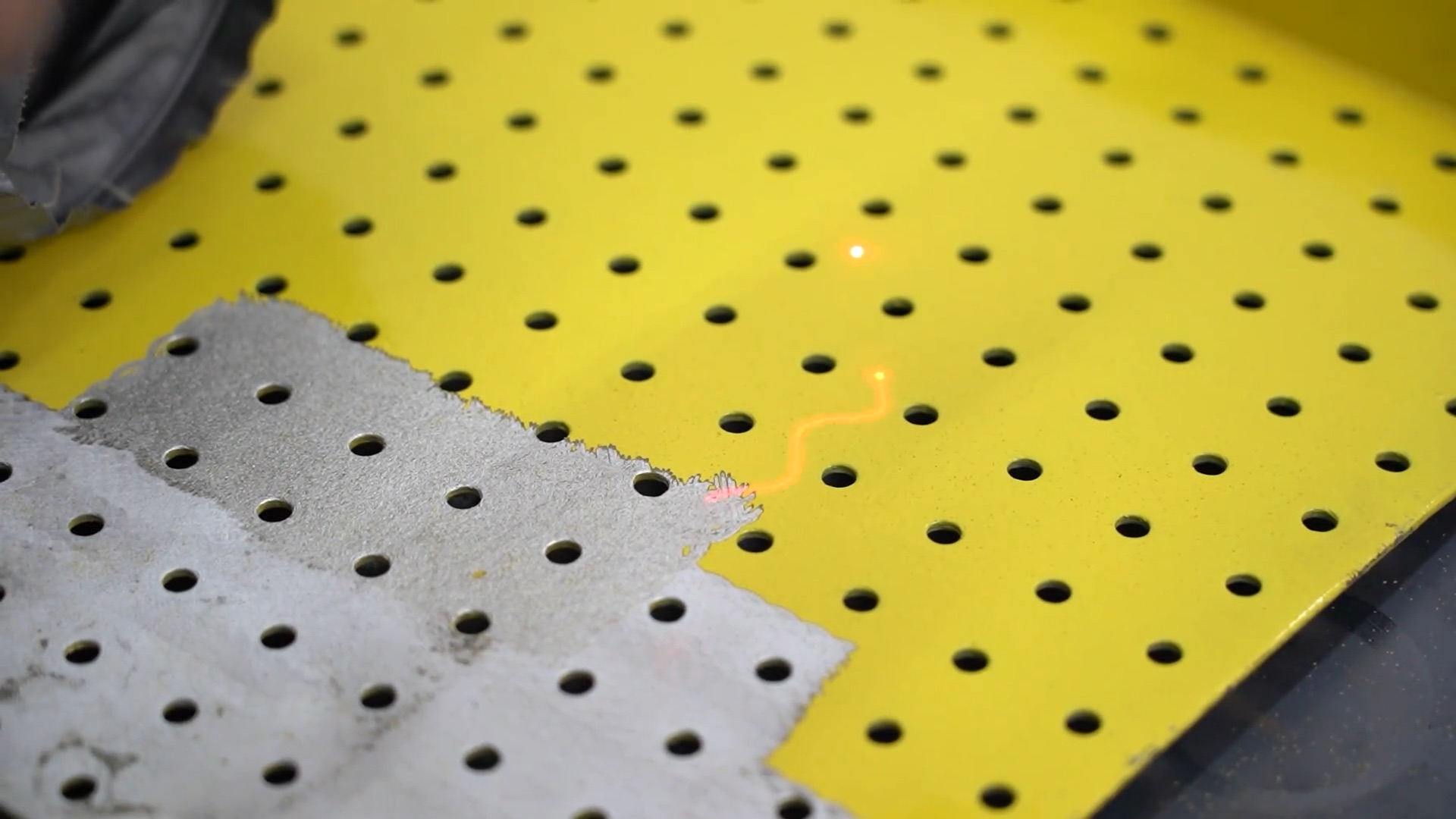
Laser cleaning quotes high on labor hours but eliminates disposal costs and uses minimal consumables. An $8,500 laser quote might include $6,000 in technician time, $2,000 in equipment rental, $500 in miscellaneous. Zero disposal fees because the process vaporizes contaminants or produces minimal waste.
Dry ice blasting quotes lower on hourly rates but includes CO2 media costs at $3-$6 per kilogram. That Surrey job I mentioned earlier would consume 400-600 kg of dry ice at $1,800-$2,400 in media costs alone. Labor runs cheaper at $95-$180 per hour, but you’re burning through consumables.
Chemical stripping looks cheapest until you add contaminated media disposal at $200-$450 per drum and potential facility shutdown costs for ventilation requirements. What quotes at $4,000 in cleaning labor becomes $7,500 after disposal and compliance costs.
Abrasive blasting produces the most waste volume. A job that creates 2.3 cubic meters of contaminated sand or garnet costs $1,200-$1,800 just for disposal in Vancouver. Plus containment setup at $800-$1,400. The upfront hourly rate looks attractive until the back-end costs hit.
Equipment Class Changes the Industrial Cleaning Cost Vancouver Range
Entry-level laser systems rent at $150-$220 per hour and work fine for light rust or paint removal on flat surfaces. Premium fiber laser systems with 500-1000W output run $320-$400 per hour but clean three to four times faster on heavy contamination.
The cheaper equipment takes six hours on a job the premium system finishes in ninety minutes. You’re paying $1,320 versus $600-$900 in actual cleaning time. The higher hourly rate saves money.
Dry ice blasting equipment splits the same way. Standard single-hose systems at $95-$140 per hour work for most applications. Dual-hose systems with higher ice flow rates quote at $180-$250 per hour but cut project time in half on large surface areas.
Richmond warehouse owner insisted on the cheaper hourly rate, then watched his three-day estimate stretch to five days because the contractor’s equipment couldn’t maintain production speed. The $2,800 savings turned into $4,000 in extended facility disruption.
What Good Quotes Include That Cheap Quotes Skip
Detailed surface preparation specifications separate professional quotes from lowball attempts. “Remove rust from steel beams” means nothing. “Remove SSPC-SP6 commercial blast to white metal with surface profile of 1-2 mils” tells you exactly what you’re getting.
Complete quotes itemize mobilization costs, equipment rental or amortization, consumables, labor by skill level, waste disposal, and site restoration. The $6,500 quote with twelve line items beats the $4,800 quote with three vague categories.
Environmental compliance costs show up in good quotes. Bad quotes ignore them, then hit you with change orders when disposal becomes an issue. That $900 difference in initial quotes becomes a $2,400 surprise when contaminated media needs certified handling.
Realistic timeframes matter. A quote promising three days for work that actually takes five means either the contractor doesn’t understand the scope or they’re planning to cut corners. Either outcome costs you more than paying for accurate labor estimates upfront.
When to Question the Quote You Received
If your industrial cleaning cost Vancouver quote doesn’t mention surface access, someone didn’t do the site assessment properly. Quotes that assume ground-level access when you’ve got 8-meter-high equipment housings will explode with change orders.
Missing contamination type details means the contractor guessed instead of testing. Oil versus epoxy versus lead paint aren’t interchangeable problems. Quotes that lump everything as “coating removal” haven’t priced the job correctly.
Disposal costs that read “$500 estimated” on a 4-cubic-meter waste job should raise flags. Vancouver disposal for industrial waste runs $250-$400 per cubic meter at legitimate facilities. Someone’s either underestimating volume or planning to cut corners on proper disposal.
Completion timelines that seem too fast usually are. Laser cleaning 800 square meters of heavy rust in one day requires equipment and crew capacity most contractors don’t have. That quote is either using inadequate equipment or won’t meet your surface prep standards.
What You Actually Need to Get Useful Quotes
Contamination type and depth: “rust” isn’t specific enough. Surface rust, pitting, or scale? Paint in good condition or alligatored and peeling? Grease film or baked-on carbon? Each needs different removal power.
Surface access documentation: heights, confined spaces, overhead obstructions. Photos help but measurements matter more. “Hard to reach” means nothing. “6.5 meters high with equipment blocking lift access” gives contractors real information.
Required surface finish: removing contamination is different from preparing for coating. If you need specific cleanliness standards or surface profile, state them. Otherwise you’re comparing quotes for different end results.
Facility constraints: operating hours, ventilation limitations, noise restrictions, adjacent equipment that can’t be disturbed. A weekend-only project costs more than flexible scheduling. Restricted ventilation eliminates some cleaning methods entirely.
Timeframe flexibility: “as soon as possible” versus “completed by March 15th” produces different quotes. Contractors can optimize scheduling and equipment allocation when they know your actual deadlines.
Getting multiple quotes without these details means comparing guesses. You’ll see that 10x cost variation not because of contractor dishonesty but because everyone assumed different project parameters. The facility manager who provides complete scope information gets quotes that actually mean something.
Industrial cleaning pricing makes sense once you understand what drives it. It’s not about square footage and hourly rates. It’s about access, contamination, compliance, equipment capability, and disposal reality. The 10x cost spread reflects real differences in what contractors are actually offering to do. Need specific pricing for your Vancouver facility? Get a detailed quote that breaks down exactly what you’re paying for and why.
Common questions
Why do BC industrial cleaning quotes vary so much?
Because method, access, containment, and substrate sensitivity change the scope. A number for raw steel in a yard does not compare to food-grade work with documentation.
How do I compare cleaning quotes that use different methods?
Compare all-in cost including media, disposal, containment, and downtime, not the per-square-foot rate. The cheapest rate often hides the highest total.
What drives the price of an industrial cleaning job?
Surface area, contaminant type, substrate sensitivity, site access, and the silica-containment requirements on abrasive methods.
Related reading
- Laser Cleaning vs Sandblasting: When Each One Wins
- Dry Ice Blasting in Vancouver: When BC Manufacturers Choose It Over Sandblasting
- Laser Cleaning Service Near Me: What Greater Vancouver Customers Actually Get On-Site
Compare options for your site with our request a quote service, or request a quote.