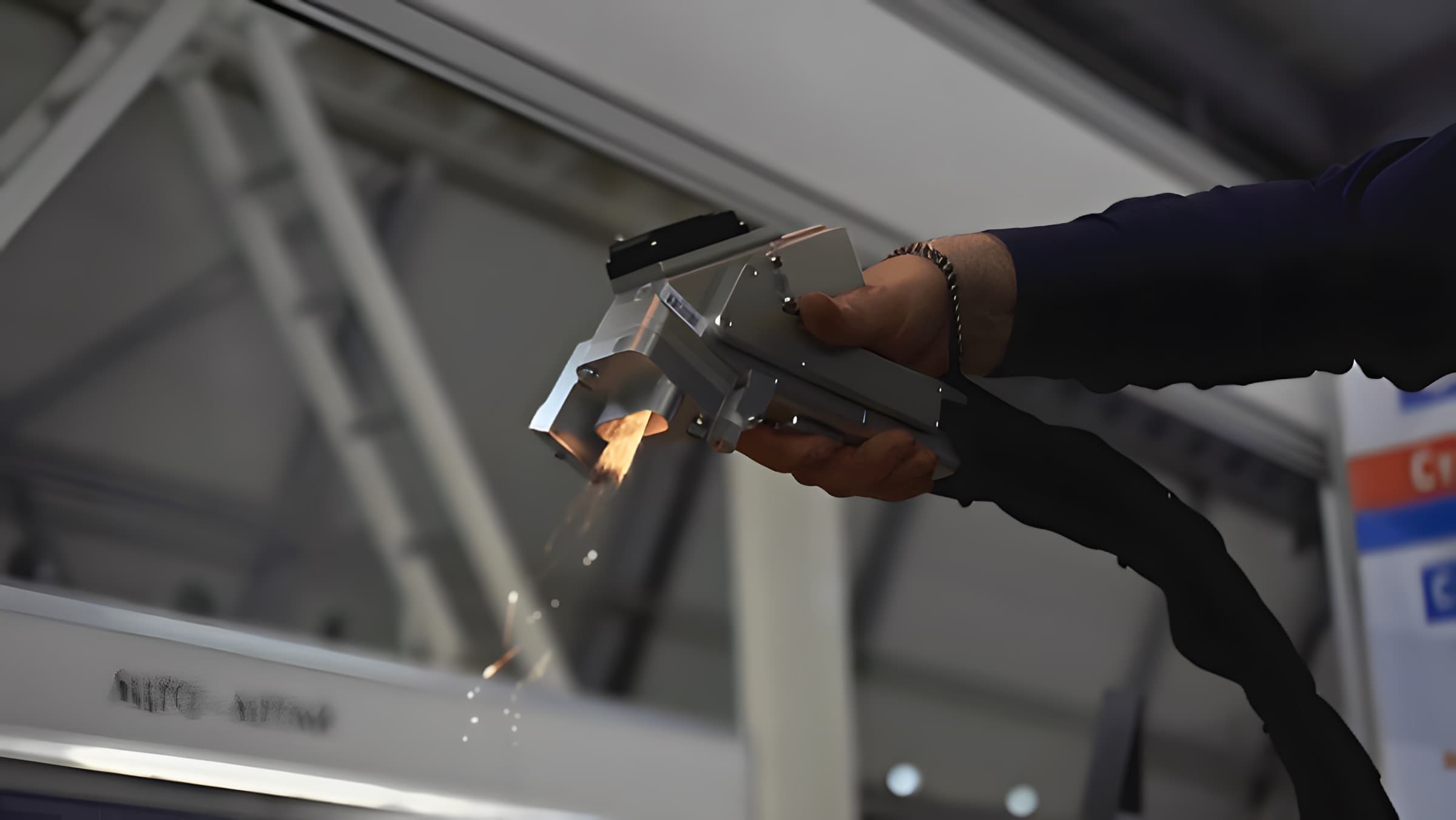
You call a laser cleaning service near me and get a quote that sounds too good to be true. They show up with a machine the size of a dorm fridge. Two hours later, 40 years of paint and rust are gone from your facility’s loading dock railing. No sandblasting dust. No chemical runoff. No permit headaches.
That’s the pitch. Here’s what actually happens when we roll up to an industrial site in Surrey or a restoration job in Burnaby.
The Assessment Call Happens Before We Touch the Truck
Nobody worth hiring shows up blind. When you search laser cleaning service near me and call us, the first conversation covers substrate type, contamination thickness, and square footage. Not because we’re stalling—because laser parameters change based on what you’re cleaning.
Concrete coated in epoxy? 1064 nm pulsed fiber laser at 200W minimum. Aluminum aircraft parts with anodizing? Different wavelength, lower power, slower passes. Paint on steel? Easy. Paint on stainless steel that can’t handle heat discoloration? Not easy.
We ask for photos. Close-ups of the contamination layer and the substrate underneath if you can see it. Pictures of access points, ceiling height if we’re working indoors, proximity to active production lines. A facility manager in Richmond sent us a video walkthrough on his phone last month. Saved everyone an hour.
This isn’t upselling. It’s figuring out if laser cleaning is even the right tool before we waste your time.
What the Day-Of Setup Actually Looks Like
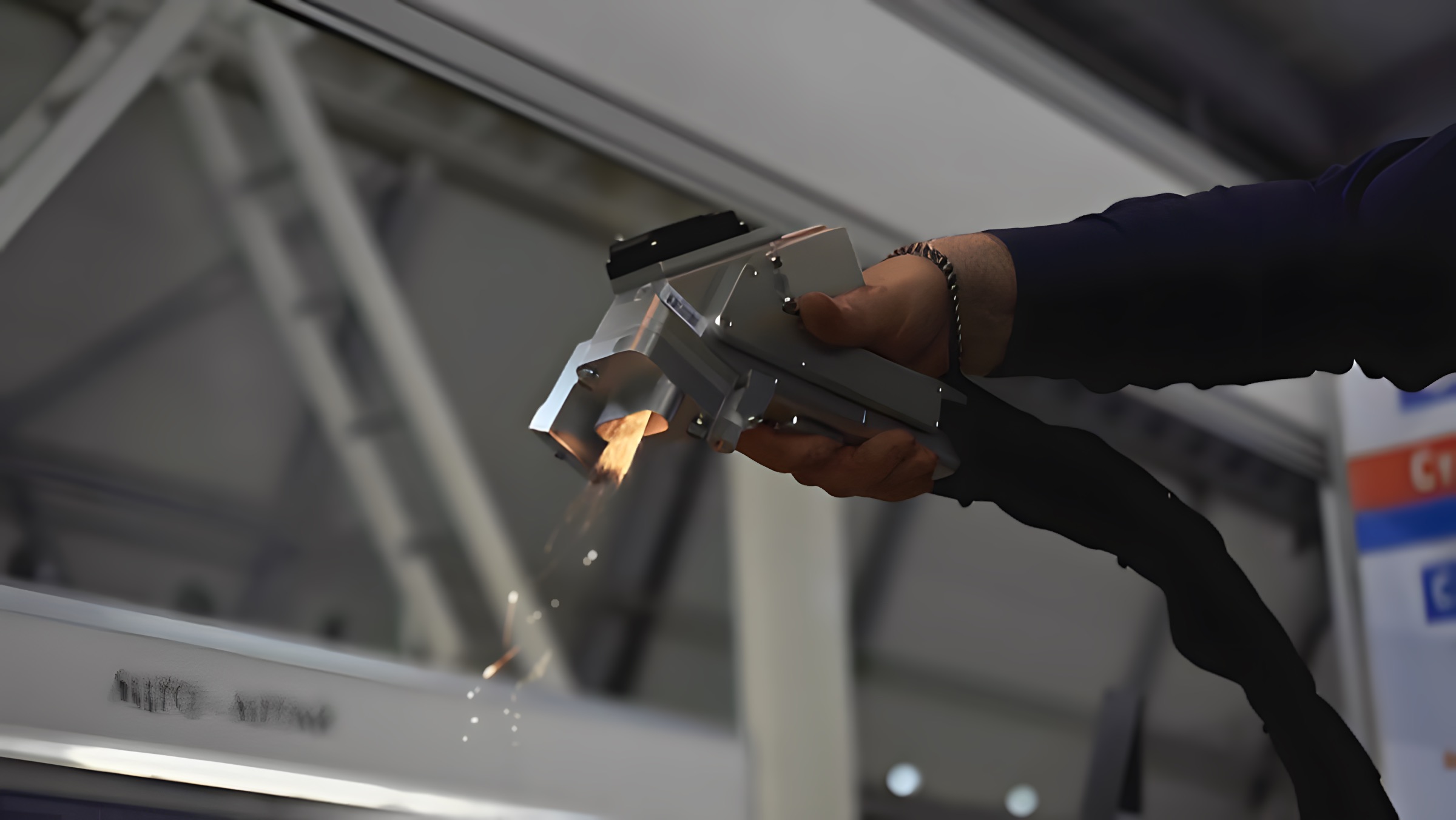
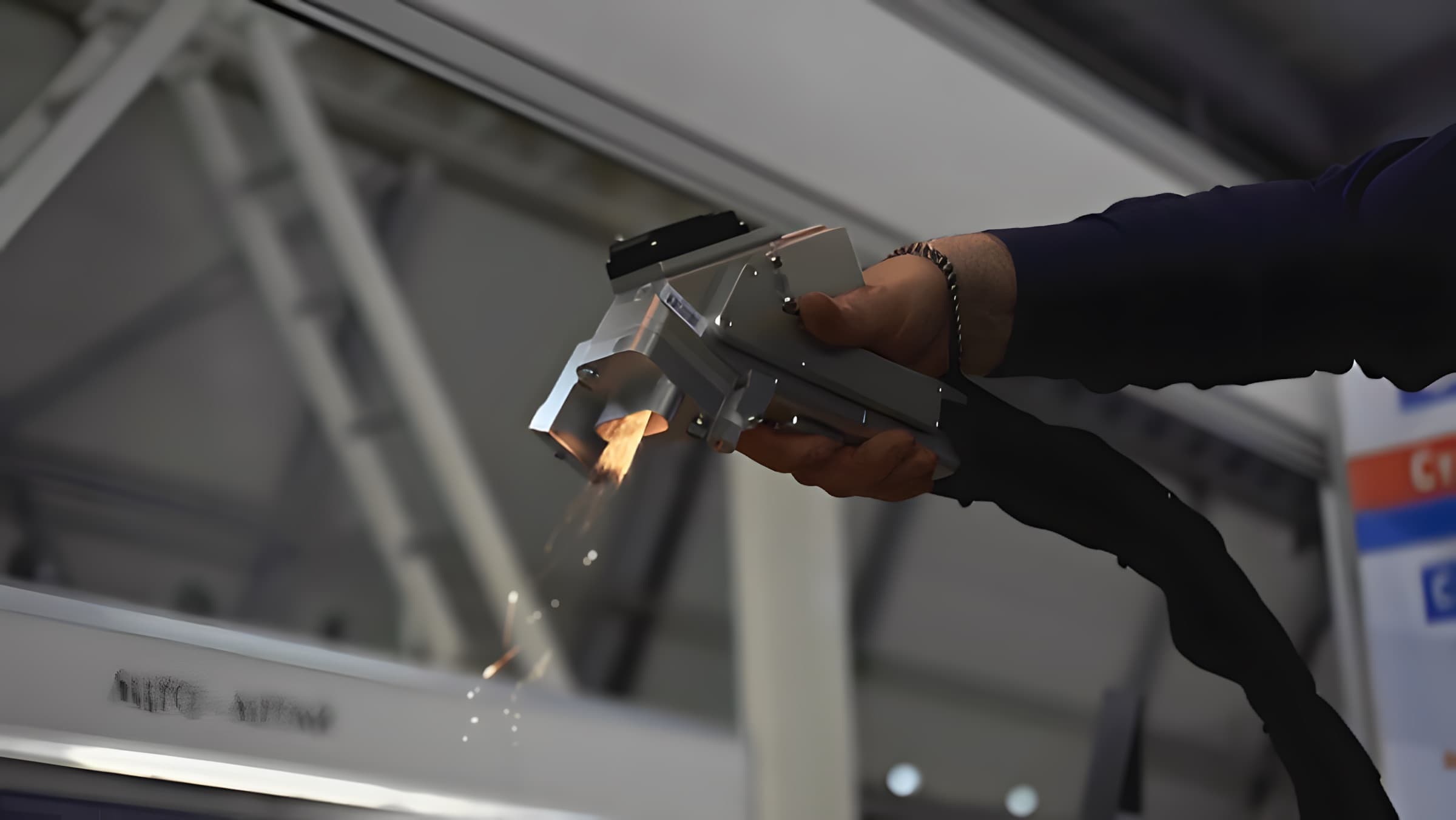
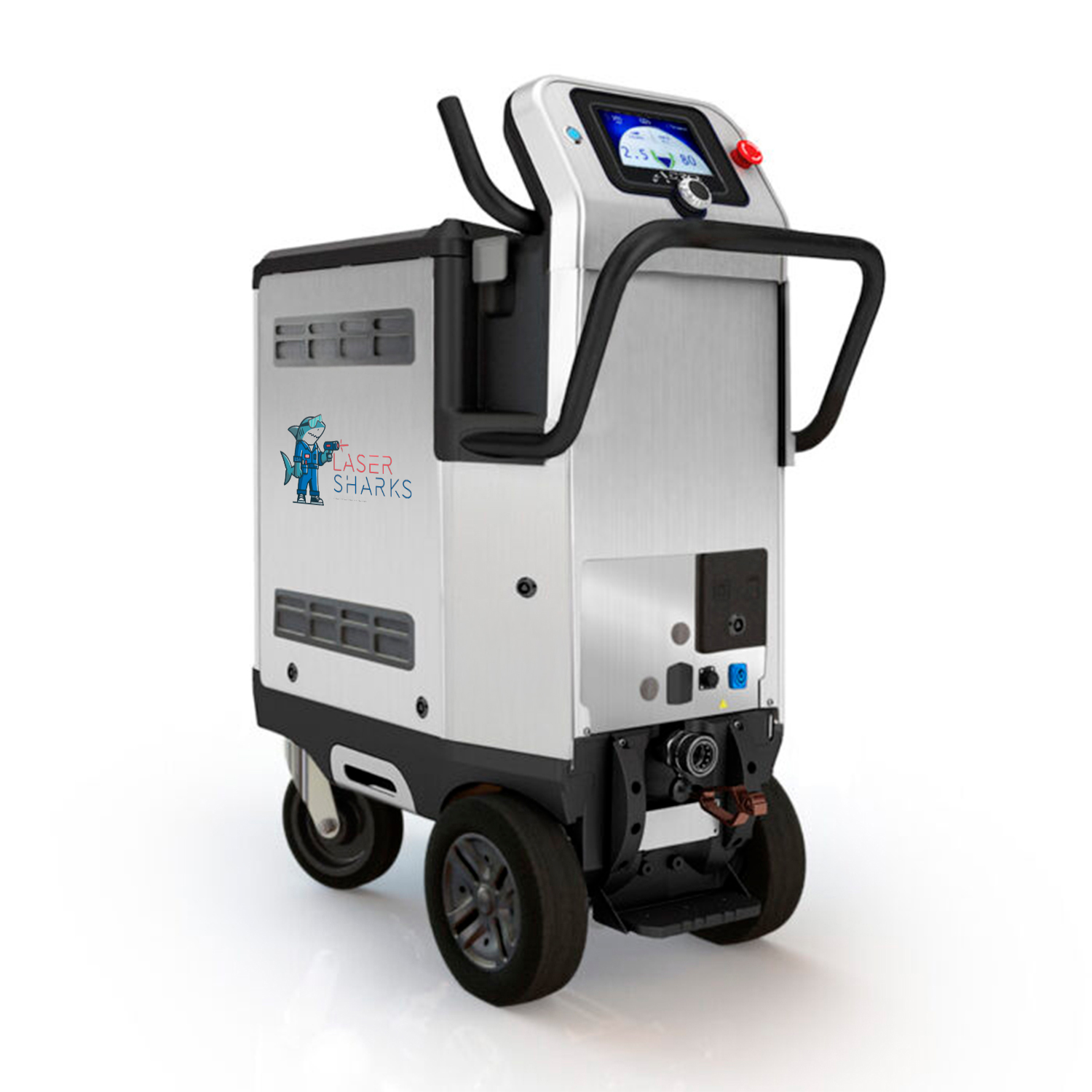
Our truck arrives. We’re carrying a 500W handheld unit or—for bigger jobs—a 1000W system on a wheeled cart. The unit plugs into standard 220V service. If you don’t have it, we bring a generator. Setup takes 20 minutes.
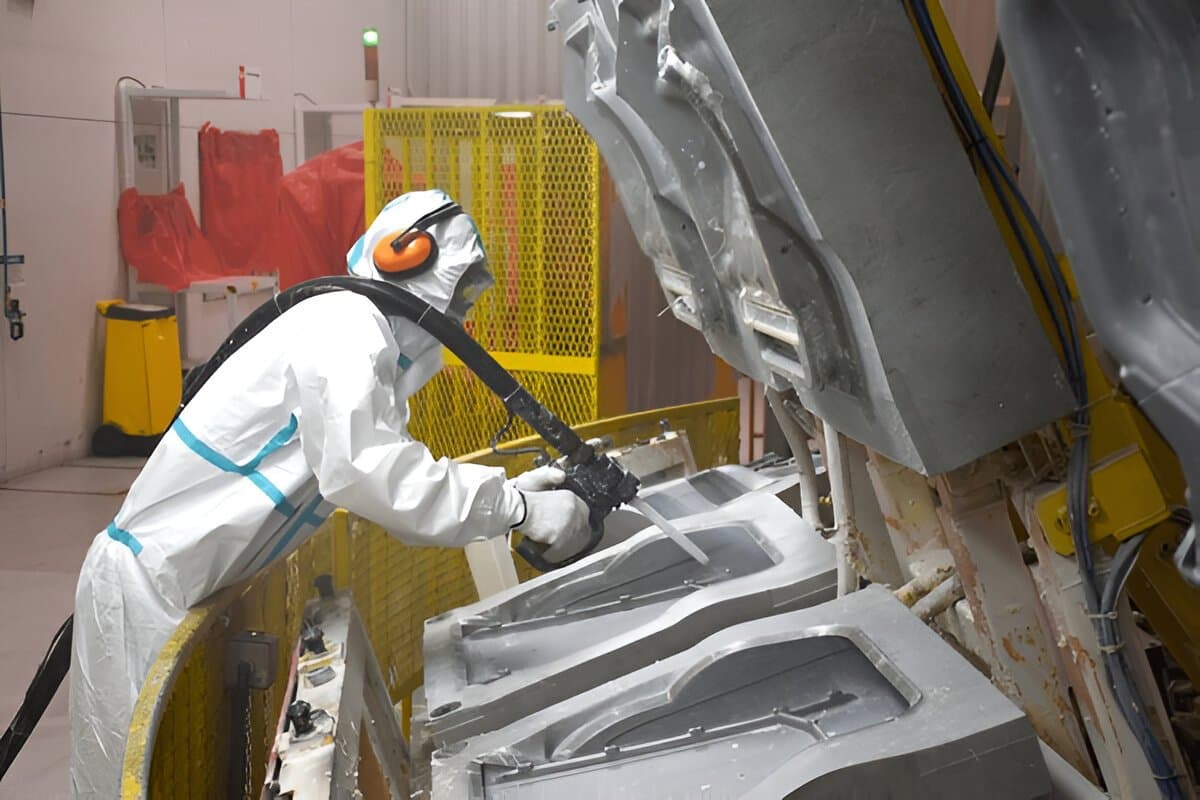
You’ll see us lay down containment tarps if we’re indoors. Laser cleaning doesn’t produce the volume of debris that sandblasting does, but vaporized paint and rust still end up somewhere. The particles are fine—micron scale—and they settle fast, but we’re not leaving carbon dust on your CNC machines.
We also section off the work area if other crews are present. Not because the laser beam is going to ricochet around the room like a James Bond movie, but because the process is bright. Very bright. Looking directly at the cleaning point without protection will wreck your vision. We wear rated eyewear. Anyone within 10 feet does too.
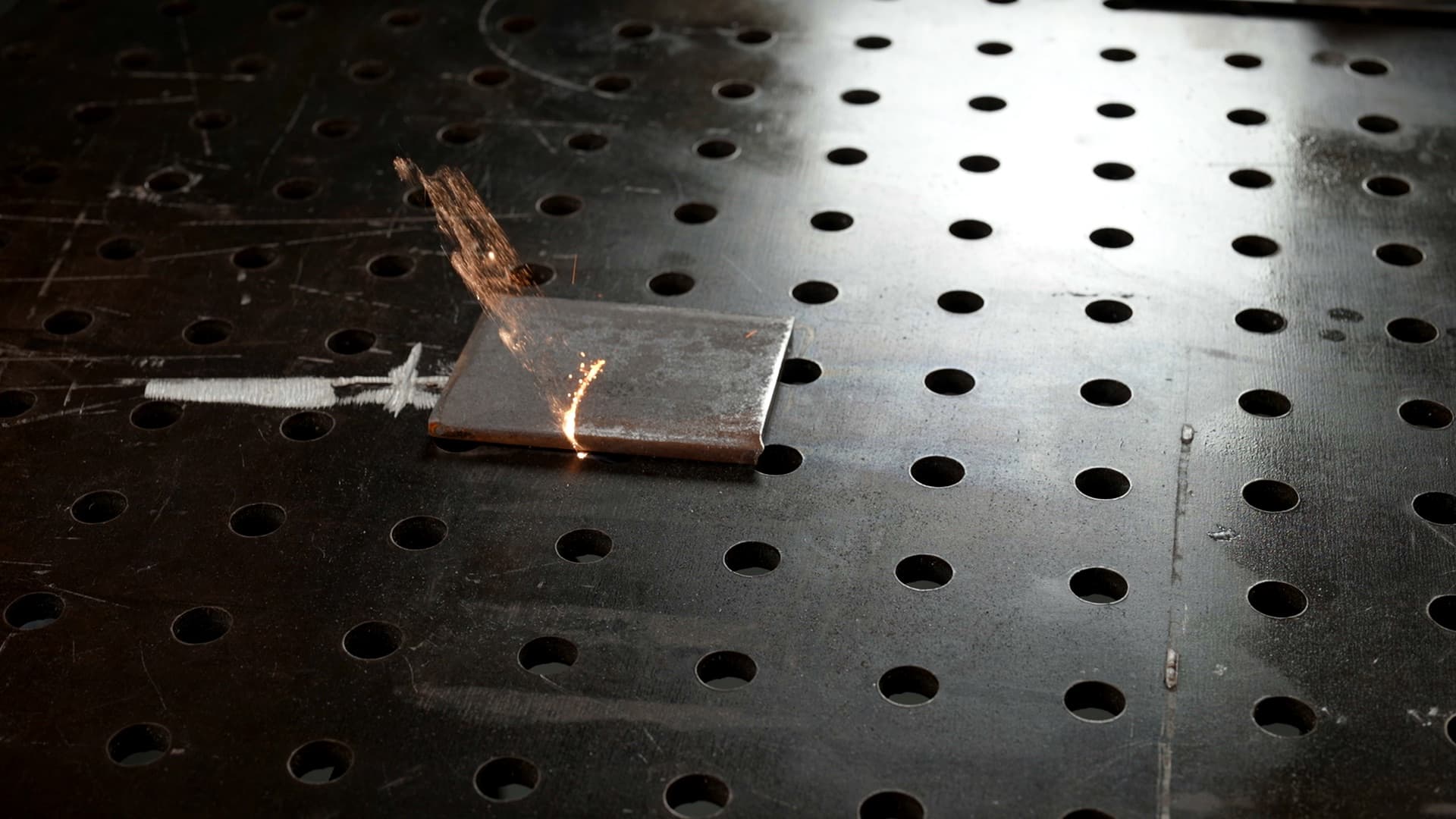
Then we test a small section. Always. This is where we confirm that the settings we discussed on the phone match the reality in front of us. Run a 6-inch pass, check the surface, adjust power or scan speed, run another pass. If the substrate shows heat damage or the contamination isn’t coming off, we stop and regroup.
The Timeline You Can Actually Expect
Handheld laser cleaning removes coating at about 1-3 square meters per hour depending on thickness. That’s real-world speed, not manufacturer spec sheet speed.
A 10-foot section of I-beam with surface rust? 30 minutes. The same I-beam with 3mm of paint and corrosion? Two hours. Someone who quotes you the same timeline for both is either lying or inexperienced.
We cleaned a 40-foot shipping container in North Vancouver last year. The exterior had 20 years of marine paint, oxidation, and salt buildup. Entire job took three days with two operators rotating. Compare that to sandblasting, which would have taken one day but required tenting the whole container, disposal of 600 pounds of abrasive media, and a repaint immediately afterward to prevent flash rusting. Different trade-offs.
What Gets Cleaned and What Doesn’t—The Honest Version
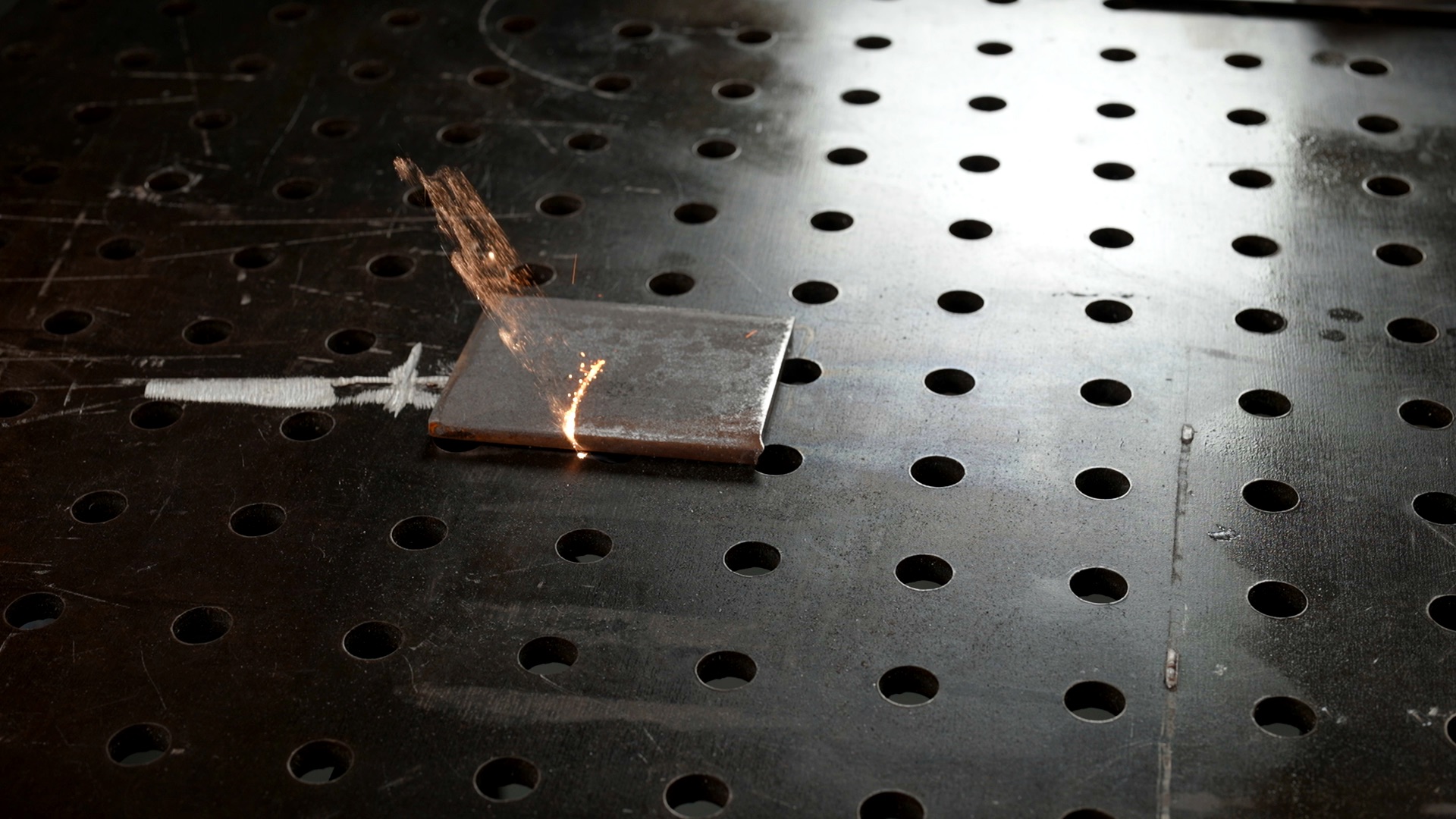
Laser cleaning excels at removing loose and moderately adhered contamination. Rust. Paint. Oil. Grease. Carbon deposits. Rubber residue. Adhesive. Graffiti on concrete if it’s not too deep.
It does not remove heavy mill scale in one pass. It does not strip powder coating efficiently—possible, but slow enough that chemical or mechanical methods usually make more sense. It will not clean porous contamination that has soaked into the substrate unless you’re willing to pay for multiple passes that might still leave staining.
We turned down a job in Coquitlam two months ago. Property manager wanted us to remove oil staining from a concrete slab where a generator had been leaking for five years. The oil had penetrated 2-3mm deep. Laser cleaning would have removed the surface layer and made it look better, but the discoloration would have returned as subsurface oil wicked back up. We sent him to a concrete restoration contractor instead.
Here’s another one people get wrong: laser cleaning does not leave a “like new” finish on corroded metal. It leaves a clean substrate. If the metal was pitted before, it’s still pitted after. The rust is gone, but the topology doesn’t change. That’s not a limitation—it’s physics.
The “Is This a Scam” Question Nobody Wants to Ask Out Loud
You’re skeptical because the process sounds too clean, too fast, too Star Trek. Legitimate concern. Laser cleaning has been used industrially in Europe and Asia for 15 years, but it only hit mainstream adoption in North America in the last five. The technology is proven. The local service market is still sorting itself out.
Red flags to watch for: anyone who quotes a flat rate without seeing the job, anyone who won’t let you watch a test section, anyone who claims laser cleaning works on literally everything with zero limitations. Those are either equipment resellers trying to move units or new operators who haven’t hit their first problem job yet.
Green flags: they ask detailed questions up front, they explain what won’t work as clearly as what will, they show you previous jobs with similar substrates, they bring backup containment equipment even for outdoor work.
We’ve had clients in Langley ask to see our WSBC coverage and liability insurance before we start. Good. You should ask.
How the Cleanup and Walkthrough Work
Once the cleaning is done, we vacuum the work area and wipe down any adjacent surfaces that caught overspray. The debris volume is minimal compared to abrasive blasting—maybe a 5-gallon bucket of material from a job that would have generated 40 cubic feet of spent media with sandblasting—but we’re still not leaving it on your floor.
Then we walk the site with you. Point out any areas we couldn’t fully clean and explain why. Show you what the substrate looks like now versus the contamination layer we started with. If you’re planning to paint or coat afterward, we talk about surface prep requirements and timing. Laser-cleaned steel will flash rust in humid conditions just like any other bare metal. Interior climate-controlled facility? You’ve got days. Outdoor job in Vancouver in November? You’ve got hours.
We also leave you the cleaning parameters we used—laser power, scan speed, number of passes—in case you need to reference them for future work or compliance documentation. Industrial clients appreciate this. Restoration contractors usually don’t care, but we document it anyway.
What Happens When You Call the Wrong Service
Not every company that shows up in a laser cleaning service near me search is actually equipped to handle your job. Some are equipment dealers who offer “demo” services as a sales tactic. Some are general contractors who subcontract the laser work to whoever answers the phone. Some bought a low-power unit on Alibaba and are learning on your dime.
We’ve been called in to finish jobs that other operators started and walked away from. A machine shop in Delta had someone attempt to remove anodizing from aluminum fixtures with a laser set too hot. The operator burned through the coating and into the substrate, left scorch marks, then disappeared. We had to explain that the parts were unsalvageable and the process wasn’t the problem—the execution was.
Another site in Maple Ridge hired a service that showed up with a 100W unit to clean structural steel. Took them six hours to do what a 500W system would have handled in one. The customer paid for the time. Operator wasn’t wrong, just underpowered for the job. That’s on the service provider for not scoping correctly.
Comparing Laser to Ice Blasting for the Same Job
Sometimes we recommend ice blasting instead. When? When the contamination layer is thick enough and soft enough that a kinetic process makes more sense than a thermal one. Removing 5mm of built-up grease and food residue from a processing plant? Ice blasting wins. Removing 0.5mm of rust from steel beams? Laser wins.
Ice blasting is faster on heavy organic contamination because you’re physically knocking it off the substrate rather than vaporizing it layer by layer. It also handles irregular geometries better—tight corners, threaded holes, complex castings. Laser cleaning works on those too, but you’re maneuvering a handheld nozzle into every angle. Ice blasting just hits it from whatever direction you can reach.
The downside is moisture. Dry ice sublimates into CO2 gas, but the process cools the substrate enough that atmospheric moisture can condense on the surface immediately after cleaning. Not an issue if you’re working indoors in a climate-controlled space. Big issue if you’re outside in winter and need to paint within hours.
We ran both methods on a fuel tank restoration job in Abbotsford last spring. Used ice blasting for the heavy tar and sludge buildup inside the tank, then switched to laser cleaning for the rust and paint on the exterior. Different tools for different problems.
What the Invoice Looks Like
Laser cleaning gets billed by the hour, by the square meter, or as a flat project rate depending on scope. Hourly rates in Greater Vancouver run $150-$250 depending on equipment size and operator experience. Square meter pricing ranges from $20-$80 based on contamination type and thickness. Flat project quotes include setup, cleaning, and site cleanup.
You’ll also see a mobilization charge if you’re outside the Lower Mainland core. We don’t bill travel time for sites in Vancouver, Burnaby, Richmond, or Surrey. If you’re in Chilliwack or Squamish, we’re adding fuel and windshield time to the quote. Fair? Depends on your definition. Standard? Yes.
Some services require a deposit before scheduling. We do for jobs over $2,000 or for first-time commercial clients. Not because we don’t trust you—because scheduling a crew and equipment for a specific day has an opportunity cost, and no-shows happen.
Payment terms are net-15 for established accounts, due on completion for everyone else. We take e-transfer, check, or credit card. Cash if you insist, but nobody pays cash anymore.
When to Call and When to Keep Looking
If your contamination layer is under 2mm, the substrate is metal or concrete, and you need a clean result without secondary waste streams, call a laser cleaning service. If you’re removing thick coatings from large areas and speed matters more than precision, call a sandblaster. If you’re cleaning organic contamination in tight spaces, call an ice blasting service. If you don’t know which applies, call and ask.
We’ve talked property managers out of laser cleaning when the job didn’t warrant it. We’ve also up-sold laser cleaning to clients who assumed sandblasting was their only option and didn’t know this process existed. The right tool depends on the substrate, the contamination, the timeline, and what you’re doing with the surface afterward.
Search results for laser cleaning service near me will show you a mix of legitimate operators, equipment resellers, and generalists adding a new service line. Ask about equipment specs, previous jobs, and what they won’t clean. The answers tell you whether they know the process or just know the pitch.
If you’re managing a facility in Greater Vancouver and need surface cleaning that doesn’t involve dust, chemicals, or disposal headaches, request a quote here. We’ll walk the site, test a section, and tell you whether laser cleaning makes sense or whether you need a different approach.
Common questions
What happens during an on-site laser cleaning visit?
An assessment of the surface and access, a test patch on a small area, then the cleaning with fume extraction at the head. You see the result before the full job runs.
Does laser cleaning come to my site in Greater Vancouver?
Yes. Mobile crews work across the Lower Mainland, and fixed or large assets are cleaned in place.
How do I know laser cleaning will work on my surface?
A test patch on a small area answers it before you commit to the full scope. It is the standard first step on anything sensitive.
Related reading
- Mobile Industrial Cleaning Vancouver: On-Site or In-Shop
- Industrial Cleaning Costs in BC: Why Quotes Vary 10x and What the Numbers Mean
- Laser Cleaning vs Sandblasting: When Each One Wins
Compare options for your site with our laser cleaning service, or request a quote.