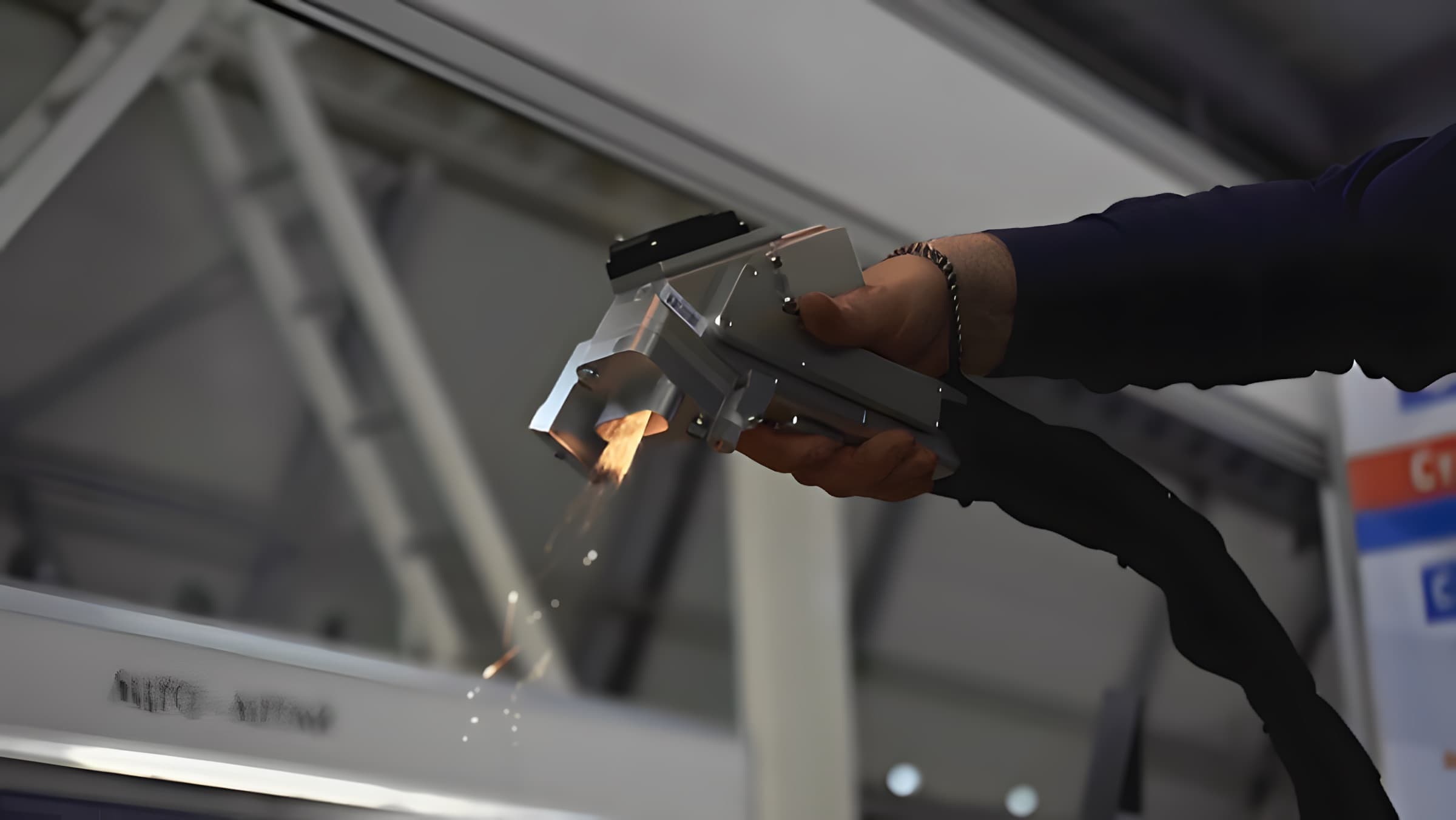
Most BC contractors land on the same question by the third quote: do we sandblast this or bring in a laser? The honest answer changes by surface, schedule, and what’s downstream of the work. Here is the comparison without the marketing layer.
On a rusty steel beam in an open yard, sandblasting still pays for itself. On a 60-year-old brick facade in Gastown, sandblasting will eat your budget in containment alone and leave the brick chewed. Laser cleaning has reset the math on jobs where surface integrity matters or chemicals can’t enter the room. This is a practical comparison, not a sales pitch. We run both kinds of jobs across British Columbia, and we send work to sandblasters when that is the right call.
What sandblasting actually costs you
The line-item price is the part everyone sees. The job total is not.
BC sandblasting quotes typically run $2-5 per square foot on light rust and $5-12 on heavy industrial scale. Before you have:
- Containment. Tarps, scaffolding scrim, dust barriers. On any urban or food-grade job, this is mandatory under WorkSafeBC silica rules. Add 20-40% to the bill.
- Media. Garnet, glass bead, baking soda. Gone after one pass. Bulk media plus shipping moves fast on a 2,000 sq ft job.
- Disposal. Contaminated abrasive plus the contaminant itself. Lead paint, mill scale, mold spores. The media inherits whatever it removed. Hazardous waste haulage is its own line item.
- Downtime. Equipment, production line, or facility access blocked for the duration. On a brewery or food plant, this is the real cost.
Then the surface damage you did not budget for. Aggressive media on aluminum panel pits the substrate. Glass bead on cast iron fittings can stress micro-cracks open. Soft brick under high-CFM pressure loses its face. None of this is the sandblaster’s fault. It is the wrong tool fighting the wrong material.
Where laser cleaning wins
Three job types where we do not take the call unless laser is on the truck.
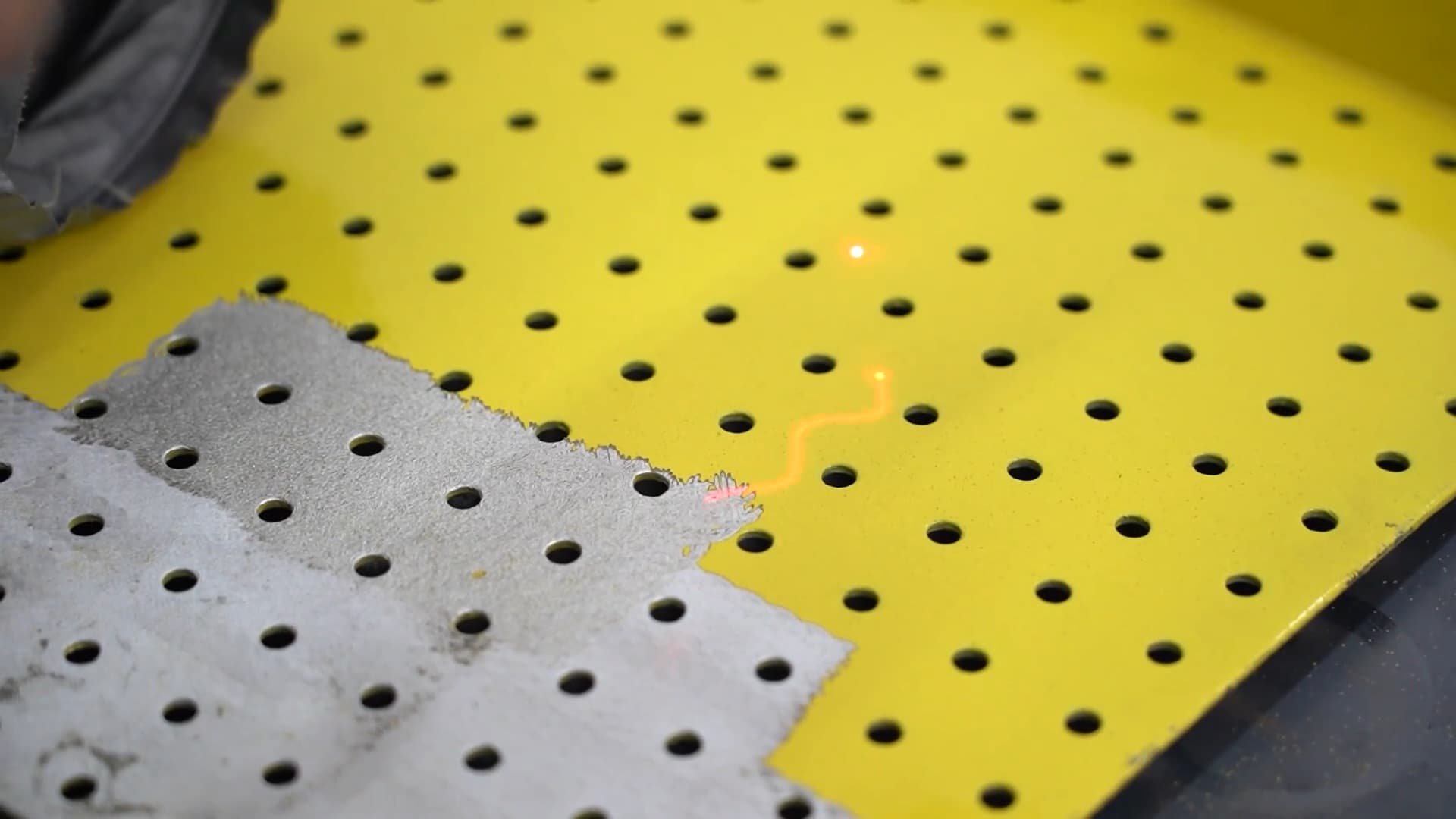
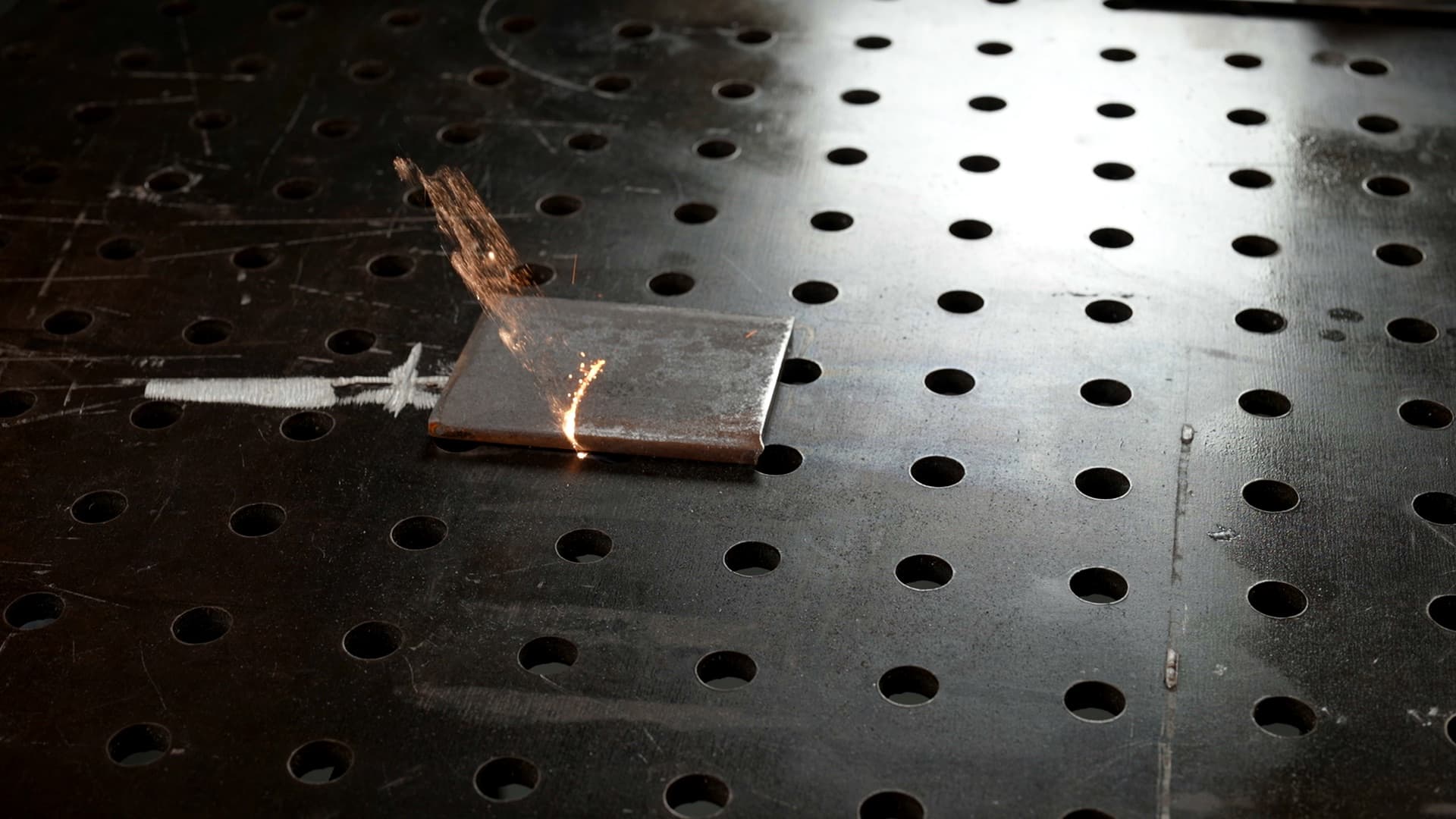
Sensitive substrates. Aluminum, stainless, copper, painted equipment that needs the paint preserved underneath the rust layer. Laser energy decouples the contaminant from the substrate without touching the parent metal. Surface prep grades that took two passes with media now finish in one.
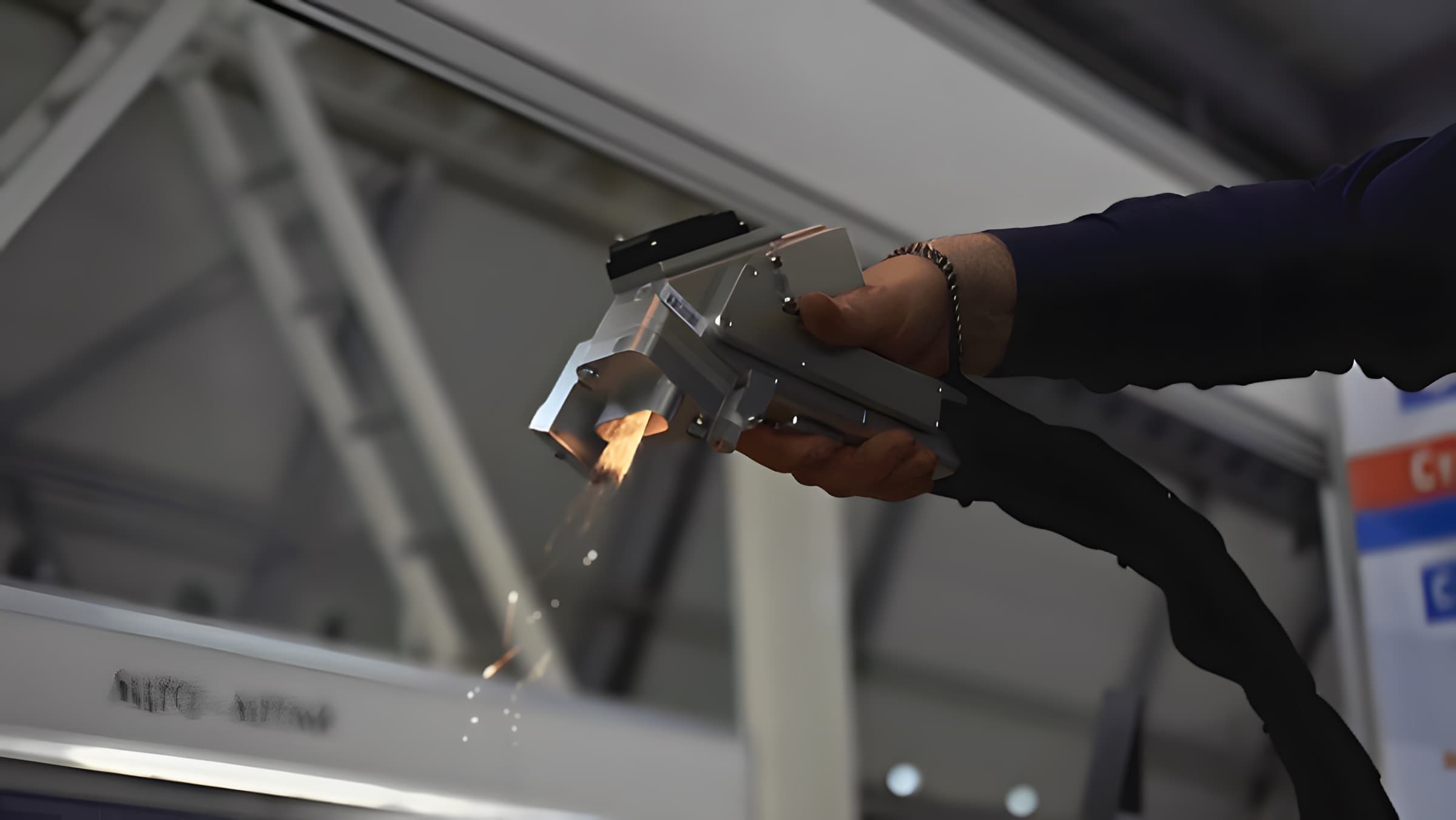
Indoor and food-grade environments. Dairy plant, brewery, bakery, hospital boiler room. No abrasive, no chemical, no secondary waste. Vacuum extraction at the cleaning head pulls the vaporized contaminant straight into a HEPA filter. Production line can keep running on the next aisle. The same applies to dry ice blasting, which we pair with laser on food and electrical jobs.
Heritage and high-value restoration. Vancouver has a stock of pre-1940s buildings where the brick, the mortar joints, and the cast iron details are the whole point of the asset. Laser strips paint and grime without rounding the edges of decorative stone. Several Gastown and Mount Pleasant projects have moved this direction in the last three years.
The other quiet advantage is setup. A laser system needs power, a clean exhaust path, and a perimeter. No tarps, no media bag mountain, no two-day demob.
Where sandblasting still wins
This is where most laser marketing collapses. Sandblasting is not going anywhere on:
Concrete prep. Floor coatings on a 10,000 sq ft warehouse slab. Shot blasting or sandblasting hits the right surface profile in a fraction of the laser time. A laser fighting concrete is a laser losing money.
Heavy mill scale on raw structural steel. I-beams that have sat outdoors for a year before primer. Media abrasion at scale is faster and cheaper, especially when the substrate does not care about a slightly rougher finish.
Open-yard, no-containment, no-substrate-concern jobs. Rural BC, ranch gates, fleet equipment in a private lot. Sandblasting is plug-and-play. Laser cleaning is overkill.
We tell clients this in the first call. A laser bill on the wrong job is the same problem as a sandblast bill on the wrong job, just from the opposite side.
The real numbers
Honest pricing math for a 1,000 sq ft cleaning job in BC.
- Sandblasting, open yard, light rust: $2,500-4,500 all-in. Two days.
- Sandblasting, indoor with containment: $5,500-9,000 all-in. Three to four days. Add disposal.
- Laser cleaning, same scope, sensitive substrate: $4,800-8,500. One to two days. No disposal.
- Laser cleaning, food-grade or heritage indoor work: same range, but the indoor option exists. Sandblasting often does not.
Once you fold in production downtime, the laser bid moves from “more expensive on paper” to “cheaper on the invoice” on most indoor jobs. On the wrong job, a yard full of mill-scaled I-beams, it is the other way around.
How to choose for your project
Pull up your scope and ask three questions.
What is the substrate, and how much can it tolerate? If the surface under the contaminant has to survive the cleaning, the answer leans laser. If it is raw structural steel headed for primer, sandblasting is fine.
Where is the work happening? Outdoor open-yard with no neighbours: either method. Inside a working facility, near food, electronics, or sensitive equipment, or in a heritage zone: laser, often without question.
What does the downstream painter, inspector, or insurance carrier need? Coating manufacturers and insurance restoration carriers in BC increasingly accept laser surface prep as equivalent to white-metal blast standards. If your spec sheet calls out SSPC SP-5 white metal, sandblasting is still the default. Laser can hit equivalent but at a slower rate per square foot.
If all three questions point one way, the choice is obvious. If they are mixed, we run a small test patch with both methods before quoting the full job. That sounds like overkill. It pays for itself on anything over 500 sq ft.
Common questions
Is laser cleaning safer than sandblasting?
Yes for the substrate, the air, and the surrounding environment. Laser fume extraction handles the contaminant. Sandblasting throws abrasive plus contaminant into the air, which is the entire reason WorkSafeBC silica regulations exist. Operator PPE differs, but neither is unsafe when run correctly.
Can laser cleaning replace sandblasting completely?
No. Any operator claiming otherwise is overselling. Sandblasting still wins on raw structural steel and concrete prep. The two tools share an industry. They do not compete on every job.
How long does laser cleaning take compared to sandblasting?
Comparable on lightly contaminated, flat, sensitive substrates. Slower on heavy mill scale or concrete profiles. Faster overall once you count setup, containment, and cleanup.
Does laser cleaning damage the underlying metal?
Not when calibrated correctly. The system targets the contaminant’s absorption spectrum, not the parent metal’s. Wrong wavelength or wrong power setting can cause damage, which is why operator hours on the specific system matter. Ask before booking.
Need a comparison for a specific project? Send us the surface, the location, and the timeline. We will tell you which method fits. And we will tell you straight if laser is not the right call.
Related reading
- Structural Steel Rust Removal in BC: Laser vs Sandblast
- Dry Ice Blasting in Vancouver: When BC Manufacturers Choose It Over Sandblasting
- How BC Plants Remove Industrial Rust Without Damaging Steel
Compare options for your site with our laser cleaning service, or request a quote.