Walk Annacis Island at low tide on a rainy March morning and you can smell the maintenance cycle. Salt, diesel, marine grease, rust flakes building up on tug fittings, container loader hydraulics, fleet truck undercarriages parked behind the shipyard fence. Marine equipment cleaning in Vancouver is a year-round problem because the coast does not stop oxidizing steel for winter.
For Port of Vancouver operators, North Vancouver shipyards, and Greater Vancouver fleet managers working anywhere within a kilometre of saltwater, the question is not whether to clean. It is which method preserves the substrate, fits into the operating window, and does not trigger WorkSafeBC silica containment requirements.
What actually corrodes in Greater Vancouver marine work
After two decades cleaning industrial gear across the Lower Mainland, the failure patterns repeat:
Ship fittings and deck hardware. Bollards, cleats, hatch combings, winch drums. Salt cycles through every storm. Galvanizing wears thin around weld zones first. By year five, most fittings need either replacement or strip-and-recoat.
Deck machinery. Capstans, anchor windlasses, mooring winches, davits. These take the worst of it because they are mechanical, exposed, and rarely covered. The grease attracts salt particulates, and corrosion creeps under the lubrication film.
Antenna arrays and electronics housings. Communication masts on tugs and patrol vessels, radar pedestals, GPS housings. Substrate-sensitive. A media blast that pits an aluminum housing means a $4,000 replacement instead of a $900 clean.
Propeller hubs and shaft seals. Drydock work, usually. Marine growth, biofouling, salt scale. Aggressive abrasive methods damage the alloy. Hand scraping leaves residue that interferes with seal reinstallation.
Fleet vehicles parked at marine sites. Forklifts at the container terminal, service trucks at the shipyard, marine harbour patrol vehicles. Undercarriage corrosion on these is two to three times the rate of inland vehicles in the same fleet.
Why traditional methods stop working at the dock
Sandblasting was the default for decades. It still has a place on heavy structural steel where substrate damage does not matter. But for marine work in Greater Vancouver, three problems compound.
Containment. Open abrasive blasting near the water column is a Transport Canada and DFO issue. You need full tarping, vacuum recovery, certified spent media disposal. On a working dock, the containment setup alone runs $3,000 to $8,000 before any actual cleaning starts.
WorkSafeBC silica exposure. Most blast media generates respirable crystalline silica when it shatters against the substrate. Recent silica rule changes mean exposure monitoring, written control plans, fit-tested respirators for every worker in the zone. The compliance overhead has pushed several Lower Mainland marine contractors out of sandblasting entirely.
Substrate damage. Aluminum housings, bronze fittings, thin stainless. Abrasive media pits these surfaces and accelerates the next corrosion cycle. You end up cleaning more often, not less.
Chemical strip is the other legacy method. Marine discharge rules eliminate most of what used to work. Hydrochloric acid stripping near saltwater is a regulatory and reputational liability now.
What laser cleaning does on a marine deck
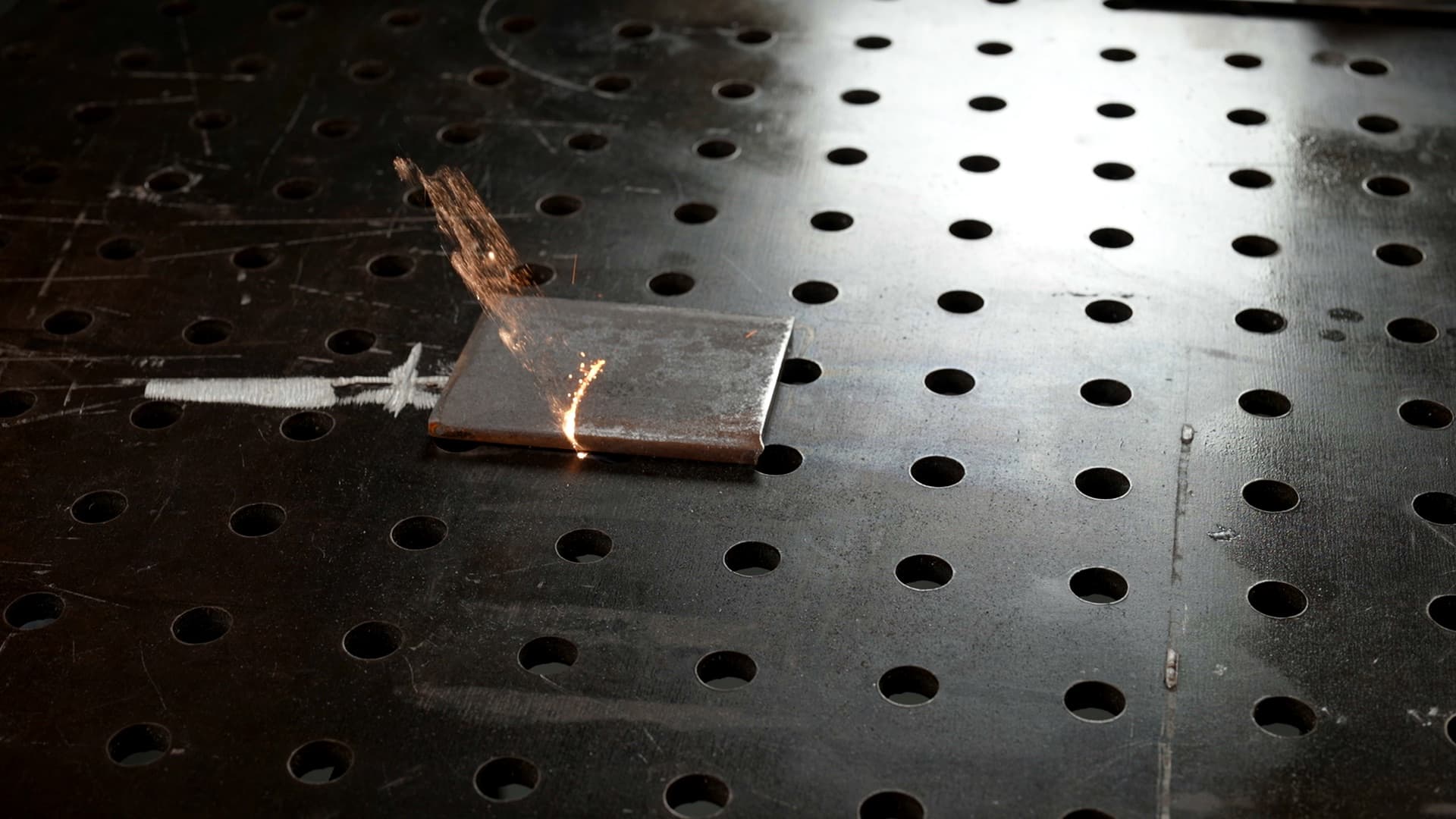
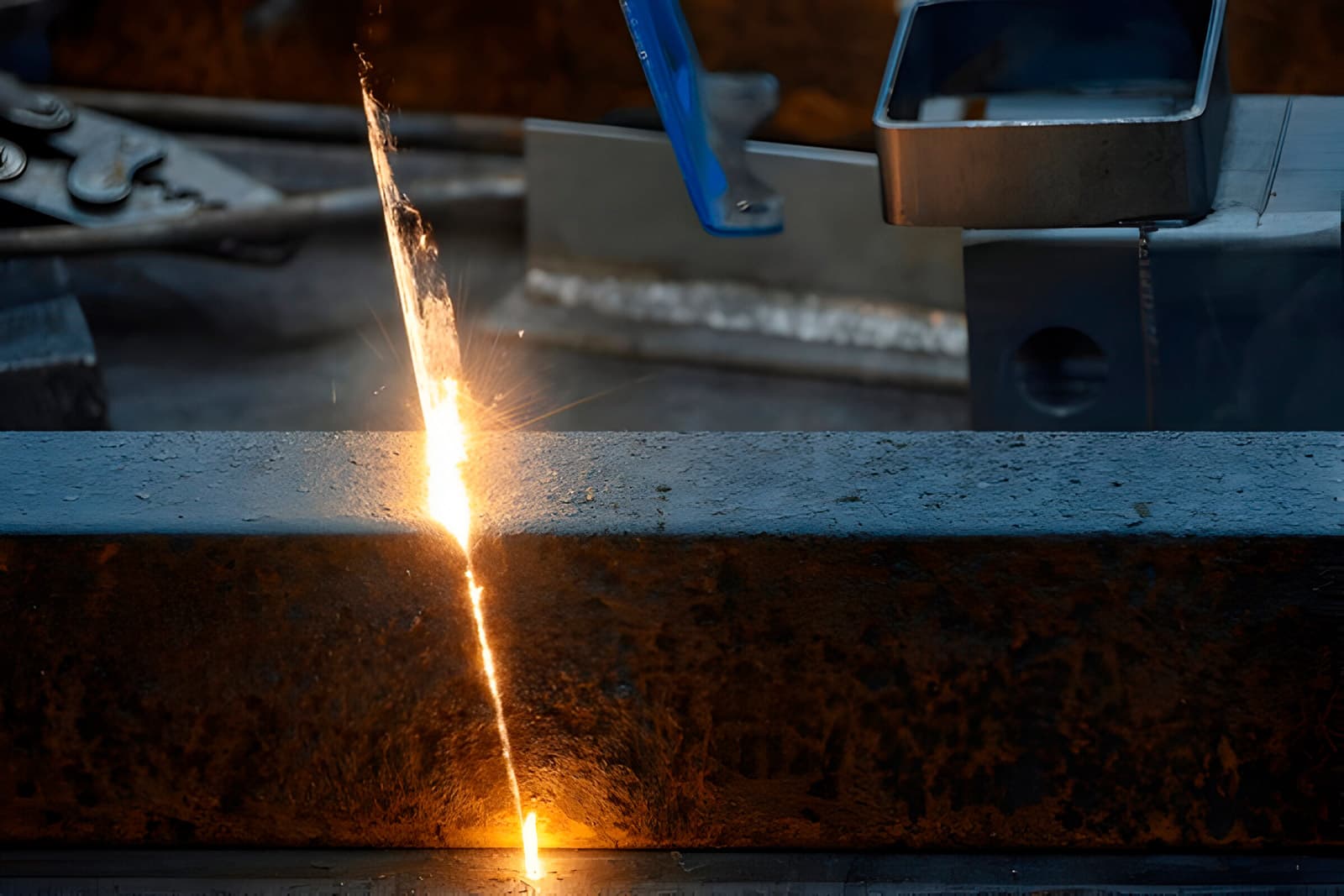
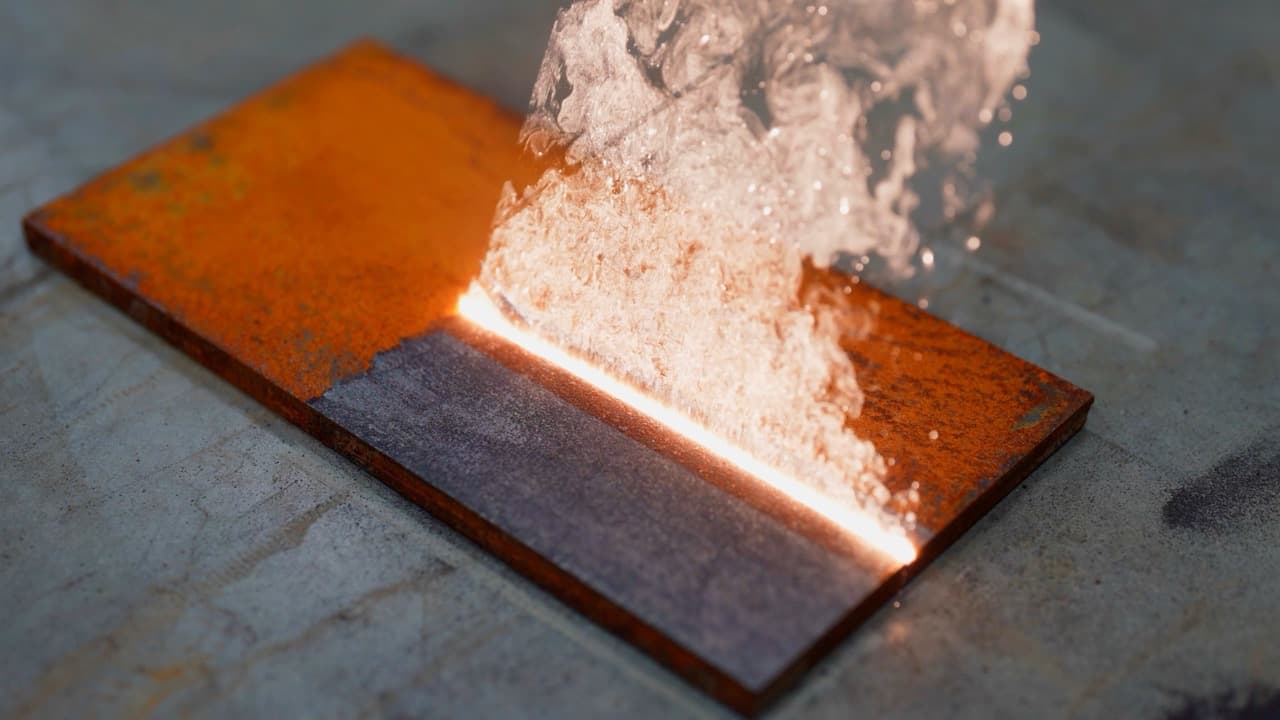
Laser cleaning removes rust, paint, grease, marine growth, and salt scale by vaporizing the contamination layer. The energy threshold is calibrated so the steel or aluminum substrate stays intact. No media. No containment tarp. No silica dust.
On a working tug tied up in North Vancouver, a typical job sequence:
- Park the mobile unit on the dock, run extension to the work area.
- Set up laser handpieces with vacuum capture for the ablation byproduct.
- Move along the deck hardware in a working pattern. Operator watches the substrate appear as the contamination lifts.
- No water. No abrasive. Nothing washes overboard.
Typical per-job pricing for marine fitting work in Greater Vancouver runs $1,200 to $6,000 CAD depending on access, surface area, and contamination depth. A deck winch refresh runs around $2,200 to $3,800. A full antenna array clean on a 65-foot patrol vessel comes in around $1,400 to $2,600.
Salt-air rust on structural steel takes longer per square foot than fresh oxidation because the chloride drives the corrosion into the grain. We adjust the pulse density and pass count accordingly. The work itself does not look fast to a property manager watching. The total day count beats sandblasting because there is no containment build or media recovery.
Where dry ice blasting fits
Dry ice (CO2) blasting handles work that laser does not. Engine rooms, hydraulic systems, electrical panels in machinery spaces, marine HVAC, fuel system components. Solid CO2 pellets impact the contamination, sublimate to gas, leave no residue, no secondary waste.
For marine clients in Burnaby, Richmond, and Delta running shop maintenance on hauled-out vessels and equipment, dry ice handles:
- Marine diesel engine bay cleaning without removing components
- Hydraulic deck machinery degreasing in place
- Electrical control housings for radar, sonar, fish-finders
- Galley and refrigeration equipment on commercial fishing fleet
- Mold and biofilm on water tank interiors
Pricing is similar territory: $1,500 to $8,000 per job for typical scope. A 40-foot fishing trawler engine bay clean runs around $2,800 to $4,500. Heavy commercial work on a tug engine room is the upper end.
The combination of laser and dry ice covers about 90% of what a Greater Vancouver marine operator actually needs cleaned. The remaining 10% is heavy structural steel where abrasive is still the right answer.
Real shipyard logistics in the Lower Mainland
Marine cleaning windows are dictated by three things: tides, weather, and vessel scheduling. None of them care about a contractor’s preferred work hours.
Tide-locked work. Below-waterline access happens at low tide. In Vancouver’s range, that means a 3-4 hour working window twice a day, often early morning or late evening. The mobile equipment loads in fast, sets up in 20 minutes, and works against the clock.
Weather windows. Laser cleaning works in rain. Operator shelter and equipment housing matter, but the process is not weather-sensitive the way painting or sandblasting is. This is a real advantage in coastal BC where you cannot wait for three consecutive dry days.
Vessel scheduling. Working commercial vessels do not stay at the dock for cleaning convenience. The window between cargo runs, between fishing seasons, between charter bookings is what you get. Most marine cleaning calls we take in Greater Vancouver have a 24-48 hour notice window and a hard end time.
The portable footprint matters here. A laser cleaning rig on a flatbed plus operator pulls into the dock, works the window, and pulls out. No staged equipment. No multi-day site setup. The economics work because the dock time is short.
Fleet vehicle marine corrosion
Slightly different category, but a major part of our marine portfolio. Container terminal forklifts, tug company service trucks, harbour patrol fleet, marine survey vehicles. All parked at or near saltwater. All corroding on a fixed schedule.
Standard fleet wash bays do nothing for salt corrosion on chassis members, brake lines, suspension components, exhaust systems. By year three, undercarriage rust is bad enough to fail inspections.
Laser cleaning gets used for surgical corrosion removal on chassis components without disassembly. Dry ice handles the engine bay, electrical, and underhood work. A typical fleet vehicle refresh runs $900 to $1,800 depending on the body type and corrosion depth.
For property managers running facility fleet at the Port of Vancouver, Tilbury, and Annacis Island industrial sites, the math usually works out to about a 40% extension of vehicle service life with twice-yearly corrosion management versus reactive cleaning at inspection time.
How to choose a marine cleaning contractor in Greater Vancouver
What to ask before hiring:
- Are you fully insured for on-water and dockside work? This is non-trivial. Marine cleaning insurance is a separate rider on most policies.
- Do you carry WorkSafeBC clearance and a current silica exposure control plan? Even if you are not using silica-generating methods, the documentation matters for client compliance.
- What is your equipment footprint and access setup time? A 4-hour tide window means 20-minute setup is the difference between billable hours and watching the tide come back in.
- Show me the substrate after a previous job. Marine work demands proof. Photos of bronze fittings, aluminum housings, or thin stainless after cleaning show whether the operator knows their energy threshold.
Working with us
We have run marine cleaning work across Greater Vancouver for over a decade. WorkSafeBC compliant, fully insured for dockside and on-water operations, equipment maintained in-house, technicians factory-trained on both laser and dry ice systems. The dual-technology capability means we recommend the method that fits the surface, not the method we happen to own. CBRB Best Cleaning Services in BC 2025.
If you manage marine equipment, vessel maintenance, or fleet operations at the Port of Vancouver, North Vancouver shipyards, Annacis Island, Tilbury, or the Fraser River industrial corridor, the conversation usually starts with a site walk and a corrosion assessment. No pressure, no obligation.
Request a quote here, browse recent marine and industrial work in our project gallery, or read more about how the laser cleaning service works in coastal BC conditions.
Common questions
What corrodes fastest in Greater Vancouver marine work?
Salt-driven corrosion on decks, fittings, and fleet vehicles near the port. Chloride sits in the metal, so surface cleaning alone does not stop it.
Why do traditional methods struggle at the dock?
Water and abrasive media create containment and disposal problems on or near the water, and they add moisture that feeds more corrosion.
Does laser cleaning work on marine equipment?
Yes. It removes rust and coatings without water or media, which suits dock and shipyard environments where containment is hard.
Related reading
- How BC Plants Remove Industrial Rust Without Damaging Steel
- Structural Steel Rust Removal in BC: Laser vs Sandblast
Compare options for your site with our laser cleaning service, or request a quote.