Mold remediation without chemicals sounds like a marketing phrase until you’ve watched bleach fail on the same wall three times. Every property manager I meet in Burnaby or Delta has the same story. A tenant reports musty smell. Someone sprays bleach on the visible black patches. The stain fades. Two months later the mold is back, worse, and the drywall behind the wall cavity is soft. Then the strata council starts asking questions.
Bleach was never the right tool. It sits on the top layer of porous surfaces. The mycelium (the actual mold root system) burrows into wood grain, concrete pores, and gypsum board where liquid disinfectant can’t reach. What you kill is the surface fruiting body. What survives is the colony that produces it. In coastal BC humidity, where indoor relative humidity climbs past 70% for months on end during atmospheric river season, that surviving colony reactivates within weeks.
What we’re really talking about is a physical process, not a chemical one. CO2 pellet blasting strips the biofilm off the substrate mechanically. No water is introduced. No toxic residue is left behind. No two-week off-gassing periods that peroxide or quat-based treatments require before you can re-occupy.
This piece walks through when that method actually fits, when it doesn’t, and what a serious quote in Greater Vancouver looks like.
Why bleach and quat cleaners fail on porous surfaces
Household bleach is 6% sodium hypochlorite. Even the industrial versions cap at about 12%. On non-porous surfaces (sealed tile, glass, coated metal) it does kill surface spores on contact. On wood, drywall, concrete, and grout, the picture changes.
Wood grain wicks water inward. Bleach follows the water. But the active chlorine is heavy and dissociates within seconds of contact with organic material. By the time the liquid reaches the mycelium 2-3 mm deep, you have wet wood and no chlorine. The surface bleaches white. The colony deeper down is untouched.
Concrete is worse. Portland cement is alkaline — pH around 12. Bleach is alkaline too. The reaction between the two neutralizes the chlorine chemistry before it can do anything to biological contamination. What actually kills mold in concrete is drying it below 60% surface moisture and physically removing the biomass. Bleach does neither.
Quat compounds (benzalkonium chloride) marketed as "mold-safe" have the same reach problem. They kill what they touch. They don’t reach embedded hyphae, and they leave a residue that fluoresces under UV inspection. Insurance adjusters increasingly test for that residue on post-remediation walkthroughs.
The result: bleach and quat treatments look clean at handover, then the callback comes 6-10 weeks later once the deeper colony re-fruits.
What dry ice blasting does differently
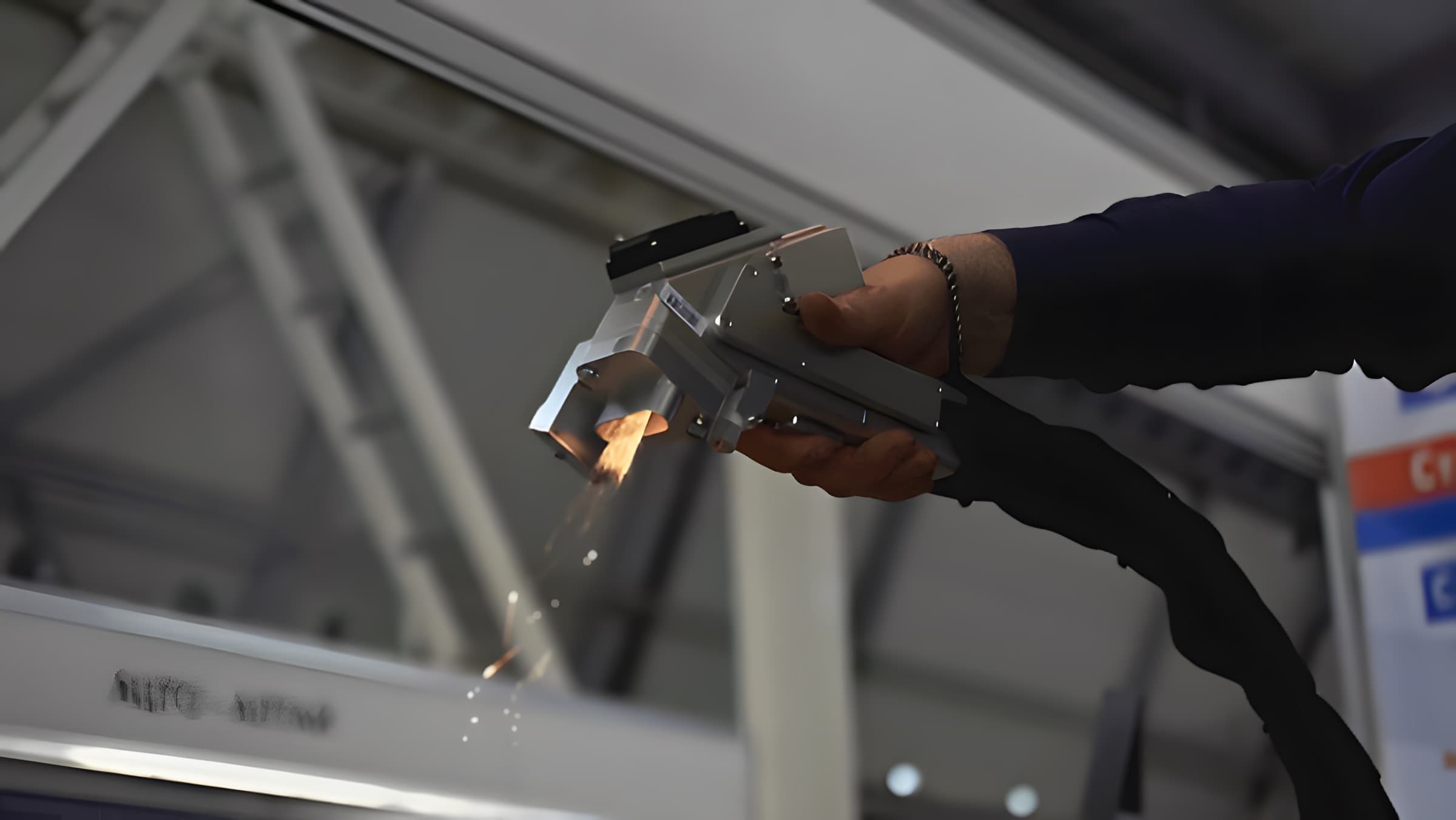
Dry ice blasting fires solid CO2 pellets at 250-300 m/s onto the affected substrate. Three things happen in the millisecond after impact.
The pellet’s kinetic energy fractures and lifts the biofilm off the surface. Instantly the CO2 sublimates, jumping from solid to gas without a liquid phase, and expanding roughly 800 times its volume, which pops contamination off the substrate from underneath. And the thermal shock (dry ice is -78°C) causes differential contraction between the biological contamination and the substrate, cracking the interface bond.
No water is added. No chemical residue is left behind. The only waste is dry mold biomass and dust, which gets vacuumed up by the HEPA collection system running alongside the blast nozzle. Once the job is done, the CO2 has evaporated into ambient air.
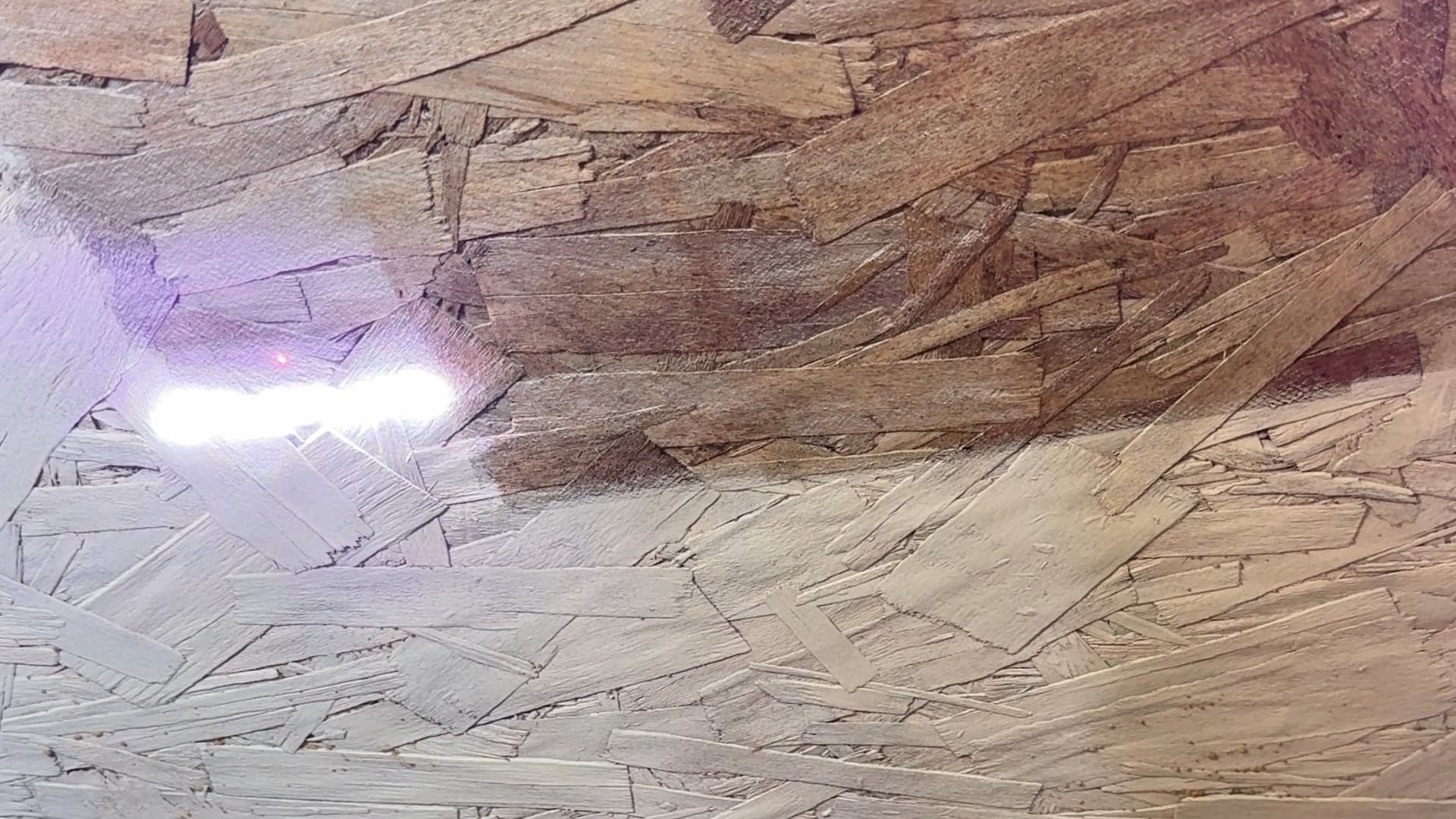
For porous substrates like unfinished framing lumber, subfloor OSB, or concrete, this matters because the process reaches into surface pores mechanically. It doesn’t rely on a liquid carrier or a chemical reaction. And because nothing wet is added, you’re not creating the conditions for the mold to come back.
I’ve cleaned framing timber in a North Vancouver crawl space that had been bleached three times over 18 months. Each cycle killed the visible surface. The wood was still hosting active colonies that we identified only after we blasted the top 1-2 mm off and saw fresh clean grain underneath. That was the last callback the homeowner had.
Substrate matters more than most people think
Not every mold job is a dry ice job. The method excels on:
- Unfinished lumber and framing (crawl spaces, attics, unfinished basements)
- Concrete walls, floors, block, and foundation
- Structural steel (basement columns, foundation supports, steel framing in humid utility rooms)
- HVAC ductwork interior (galvanized steel, aluminum)
- Brick and stone (heritage structures in Gastown, Chinatown, Mount Pleasant)
Where it’s less useful:
- Painted drywall with active surface mold: often the drywall is compromised structurally by moisture and the right call is removal, not cleaning
- Insulation (fiberglass, cellulose): needs replacement, cannot be cleaned
- Carpet and soft goods: dry ice can help spot-clean but full replacement is typically required
The mistake I see restoration GCs make is trying to save drywall that should come out. If the paper backing is delaminating or the gypsum is spongy, cleaning won’t fix a moisture-compromised substrate. Cut it out to the nearest studs, dry the framing, then dry-ice-blast the framing before you close the wall back up.
Spore containment during the work
This is where amateurs get themselves in trouble. Aggressive mechanical action on active mold aerosolizes millions of spores per cubic meter. Without containment, you’re moving the problem from one room to the entire building.
A proper BC remediation setup for CO2 blasting includes:
- Negative air containment with 6-mil poly and duct-taped seams around the work area
- HEPA air scrubbers running continuously at 6-12 air changes per hour (ACH depending on room volume)
- Blast operator in full-face powered air-purifying respirator (PAPR) with P100 cartridges
- Real-time spore trap sampling before, during, and after
- Post-remediation verification (PRV) air sampling before the containment comes down
The HEPA scrubber is not optional. Dry ice blasting on active mold without air scrubbing running is worse than not doing the job at all. You’ve concentrated spores into a small volume of air and then dispersed them.
For property managers reading this: if a contractor tells you they can dry-ice-blast mold without setting up containment, that’s a red flag. Ask to see their negative air machine, their scrubbers, and their post-remediation clearance protocol. A legitimate BC contractor will have all three on the truck.
When air scrubbing alone won’t do it
Air scrubbing removes airborne spores. Dry ice blasting takes out the source that’s producing them. Both belong in the workflow.
I get calls from strata councils in New Westminster and Coquitlam asking whether HEPA air scrubbing alone can solve their mold problem. The answer is no, if the source is still present. Air scrubbing is a support process, not a remediation. Running scrubbers in a room with active mold on the framing is like emptying a bathtub with the tap running.
The workflow that gets consistent results:
- Moisture source identified and fixed (leak repair, ventilation, dehumidification)
- Containment built around affected area
- Air scrubbers running before any disturbance
- Dry ice blasting on structural substrates (framing, concrete, steel)
- HEPA vacuum on all horizontal surfaces
- Post-remediation air sampling and visual inspection
- Containment removed only after PRV clearance
Skipping the moisture fix is the most common failure I see. If the crawl space is still getting water intrusion from a failed perimeter drain, no amount of remediation will hold. Fix the water first.
What this costs in Greater Vancouver
Per-job pricing for chemical-free mold remediation in Greater Vancouver typically runs $2,500-$12,000. The spread reflects real variables:
- Small residential crawl space or basement corner (under 200 sq ft affected): $2,500-$4,500
- Mid-size commercial or strata common area (200-800 sq ft): $4,500-$8,000
- Large industrial or multi-unit strata (over 800 sq ft, complex containment): $8,000-$12,000+
Containment build accounts for 20-30% of most quotes. HEPA air scrubbers rented and running for the job duration add another 10-15%. Post-remediation air sampling through an independent lab is $400-$800 per sample, and I recommend it on every job over $5,000.
Insurance work runs differently. Most BC commercial insurers require an accredited mold assessor’s protocol before authorizing remediation, then vendor-of-choice work for the actual cleanup. If you’re a property manager coordinating an insurance claim, get the assessment done first and the scope will drive the quote.
The BC humidity context that drives most of these calls
Coastal BC humidity is the reason mold is a chronic problem here. Indoor relative humidity in Vancouver climbs past 70% for weeks at a stretch from November through March. Older housing stock in East Van, older commercial buildings on Powell Street, warehouses on Annacis Island. They’re all fighting the same battle against condensation on cold surfaces.
Once mold gets a foothold in framing or concrete, you’re not going to bleach it away permanently. The humidity keeps feeding the colony. What breaks the cycle is fixing the moisture, removing the biomass mechanically, and monitoring with periodic inspections.
I’ve worked with property managers in Richmond and Burnaby who now schedule crawl space inspections twice a year. Once after atmospheric river season, once mid-summer. Catching a colony at 6 sq ft is a $2,500 job. Catching the same colony after it’s spread through a 40-foot wall cavity is a $15,000 job plus drywall replacement plus temporary relocation for tenants.
Preventive inspection pays for itself the first time it catches something small.
Working with a serious BC contractor
Laser Sharks has been running industrial CO2 blasting across Greater Vancouver for over ten years. Fully insured, WorkSafeBC compliant, and we carry the containment and air scrubbing equipment on every mold job we quote. We work with restoration GCs, strata councils, and commercial property managers from North Vancouver to Delta.
If you’re dealing with recurring mold in a property under your management, or you’re a restoration GC looking for a specialty sub who won’t leave you with a callback problem, we can walk your site and quote scope in writing. Our dry ice blasting service page covers the technical specifications; when you’re ready to talk about your specific building, request a quote and we’ll come out for the assessment.
Fix the moisture. Remove the source. Verify with air sampling. That’s the workflow that ends the callback loop.