Soot is acid. Not metaphorically. The residue a structure fire leaves on your electrical panels, your steel beams, and your production equipment carries chlorides and sulfur compounds that start etching metal within two days. By the time an adjuster has walked the site and a scope of work is drafted, some of the damage on that scope was preventable.
That is the core problem with smoke damage restoration on commercial buildings: the insurance process runs on weeks, but soot chemistry runs on hours. This guide covers what actually happens to a commercial building in the first 72 hours after a fire, how the restoration vendor chain works in BC, and where specialty cleaning fits so you protect the assets that matter most.
What soot does to a building, hour by hour
After 20+ years cleaning industrial sites across Greater Vancouver, I can usually tell how long a building sat before cleanup started just by looking at the metal.
Hours 0-24. Soot settles. It is still mostly loose particulate at this stage, sitting on surfaces rather than bonded to them. Plastics and painted finishes near the fire source may already show yellowing from heat and acidic residue, but structural steel, machinery, and electrical gear are largely recoverable with minimal effort. This is the cheapest cleanup window you will ever have.
Hours 24-72. Humidity gets involved. BC coastal air runs 70-90% relative humidity for much of the year, and moisture activates the acids in soot. Chloride-bearing residue starts pitting stainless steel, etching aluminum, and corroding copper. Electrical contacts, breaker panels, and control boards begin degrading. Anything with a machined or polished surface starts losing tolerance.
Past 72 hours. Concrete and masonry absorb soot into their pores, which turns a surface-cleaning job into a deep-extraction job. Odour compounds bond into porous materials. Steel that could have been wiped and inspected now needs mechanical cleaning and possibly recoating. On several Lower Mainland jobs I have seen equipment written off as a total loss that would have survived if cleanup had started on day two instead of day twelve.
The takeaway for a property manager or restoration GC: the first 72 hours are not a waiting period. They are the highest-return work window of the entire claim.
The first 24 hours: stabilize, document, do not wipe
Once the fire department releases the building, the priority list looks like this.
1. Cut power to affected equipment. Energized circuits with conductive soot on the contacts fail in expensive and occasionally dangerous ways. De-energize affected panels until they have been cleaned and inspected.
2. Control humidity. Dehumidifiers and controlled airflow slow the acid activation clock. If sprinklers or fire hoses added water, extraction comes first; wet soot is corrosive soot on fast-forward.
3. Document everything before anyone touches it. Insurers in BC expect photo and video documentation of pre-cleanup conditions. Wide shots of each affected area, close-ups of high-value equipment, serial number plates where visible. Your restoration contractor and adjuster will both rely on this record when scope disputes come up later. They come up more often than anyone admits.
4. Do not let staff wipe surfaces. Well-meaning employees with rags and household cleaner smear soot deeper into porous surfaces and set stains permanently. Wet-wiping acidic soot on metal can accelerate the corrosion you are trying to prevent. Rope off affected areas and wait for people with the right equipment.
5. Get the specialty assessment moving. General restoration firms handle demolition, drying, odour treatment, and rebuild. Soot removal from electrical systems, production machinery, and structural steel is a different discipline with different tools. Getting that assessment booked inside the first two days is what keeps equipment off the write-off list.
How the insurance vendor chain works in BC
Most commercial fire claims in BC follow the same path. The building owner or property manager notifies the insurer. The insurer assigns an adjuster, and either the insurer or the owner brings in a restoration general contractor. That GC runs the project: emergency board-up, water extraction, demolition, drying, rebuild.
Here is what many owners do not realize: the restoration GC subcontracts the specialty work. Soot removal from a 600-amp electrical room, degreasing and decontaminating CNC equipment, cleaning smoke residue off structural steel without damaging the substrate, that work goes to a specialty cleaning subcontractor. The GC marks it up and manages it, which is fair, because coordination on a fire job is real work.
If you are the restoration GC, your specialty sub’s speed determines whether machinery gets cleaned inside the 72-hour window or after it. A sub who can mobilize to a Burnaby or Richmond site within a day protects your timeline and your client’s equipment. One who shows up in week two hands you a bigger demolition scope and an unhappier insurer.
If you are the building owner, you are allowed to ask who is doing the specialty cleaning and when they mobilize. It is your equipment on the line, and the answer tells you a lot about how the claim will go.
Why dry ice blasting wins on electrical and machinery
Traditional soot cleanup uses some combination of wet chemical cleaning, sponges, and abrasive methods. Each has a place. None of them belongs near electrical gear or precision machinery.
Wet and chemical methods introduce moisture and cleaning agents into equipment that must stay dry. You cannot chemically wash a motor control centre and expect the insurer’s electrical inspector to sign off on it. Chemical residue also creates a secondary cleanup problem and, on food-processing sites, a compliance problem with audits.
Abrasive blasting removes soot along with the surface underneath it. On machined equipment, that is the same as destroying it slower.
Dry ice blasting removes soot with solid CO2 pellets that sublimate on impact, meaning they turn straight to gas and leave nothing behind. No water, no chemicals, no blast media to sweep up and landfill, no secondary waste stream for the claim to absorb. For fire restoration specifically, that gives you three things the other methods cannot:
– Electrical equipment can be cleaned in place. Panels, contactors, and control boards get stripped of conductive soot without introducing moisture. Equipment goes back into service after inspection instead of into a dumpster.
– Machinery keeps its tolerances. The process is non-abrasive, so machined surfaces, bearings housings, and calibrated components survive cleaning intact.
– The eco math is clean. Nothing goes down the storm drain, which matters in BC where the Fisheries Act treats chemical runoff seriously, and nothing goes to landfill except the soot itself, captured by HEPA vacuum during the work.
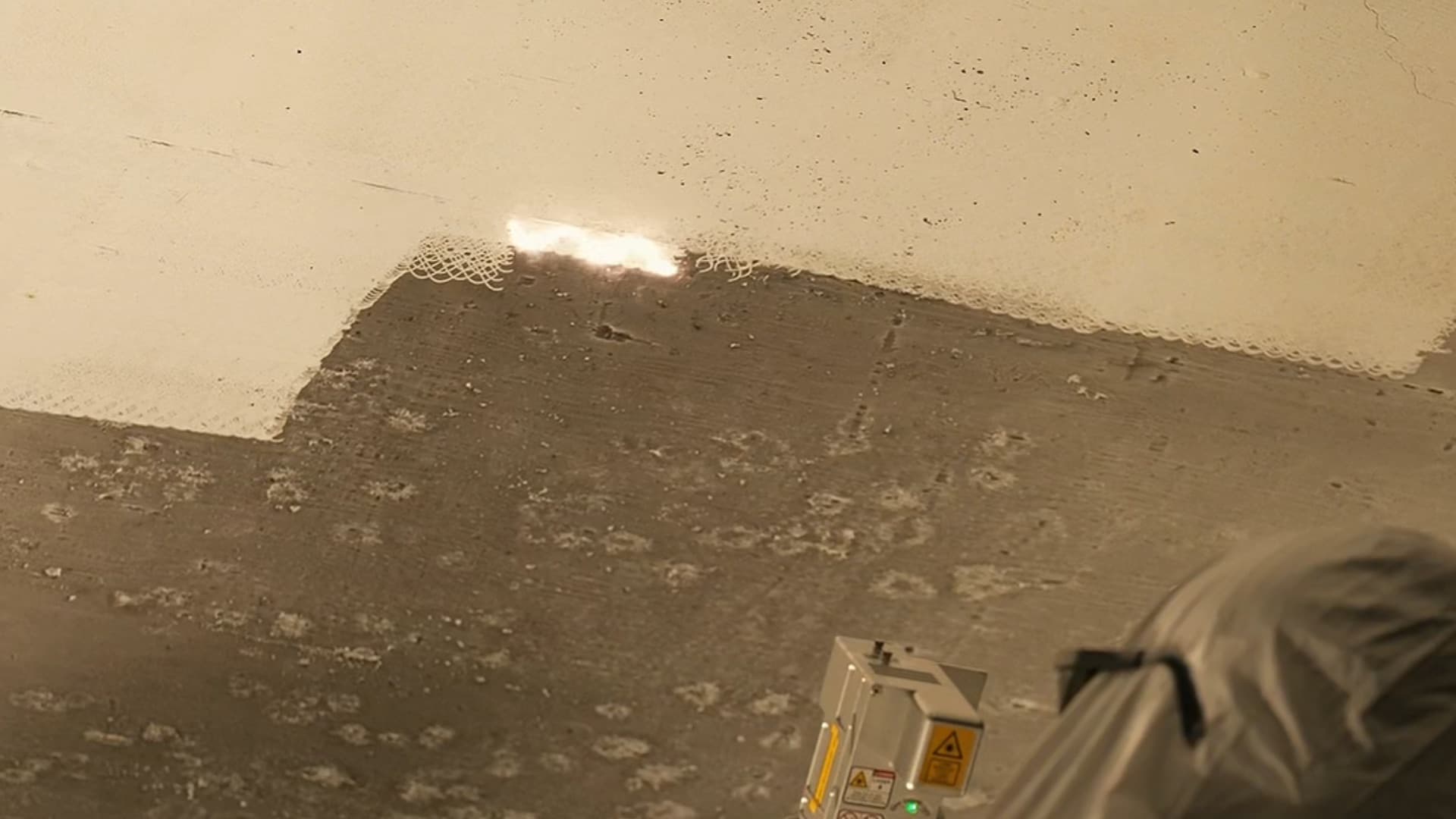
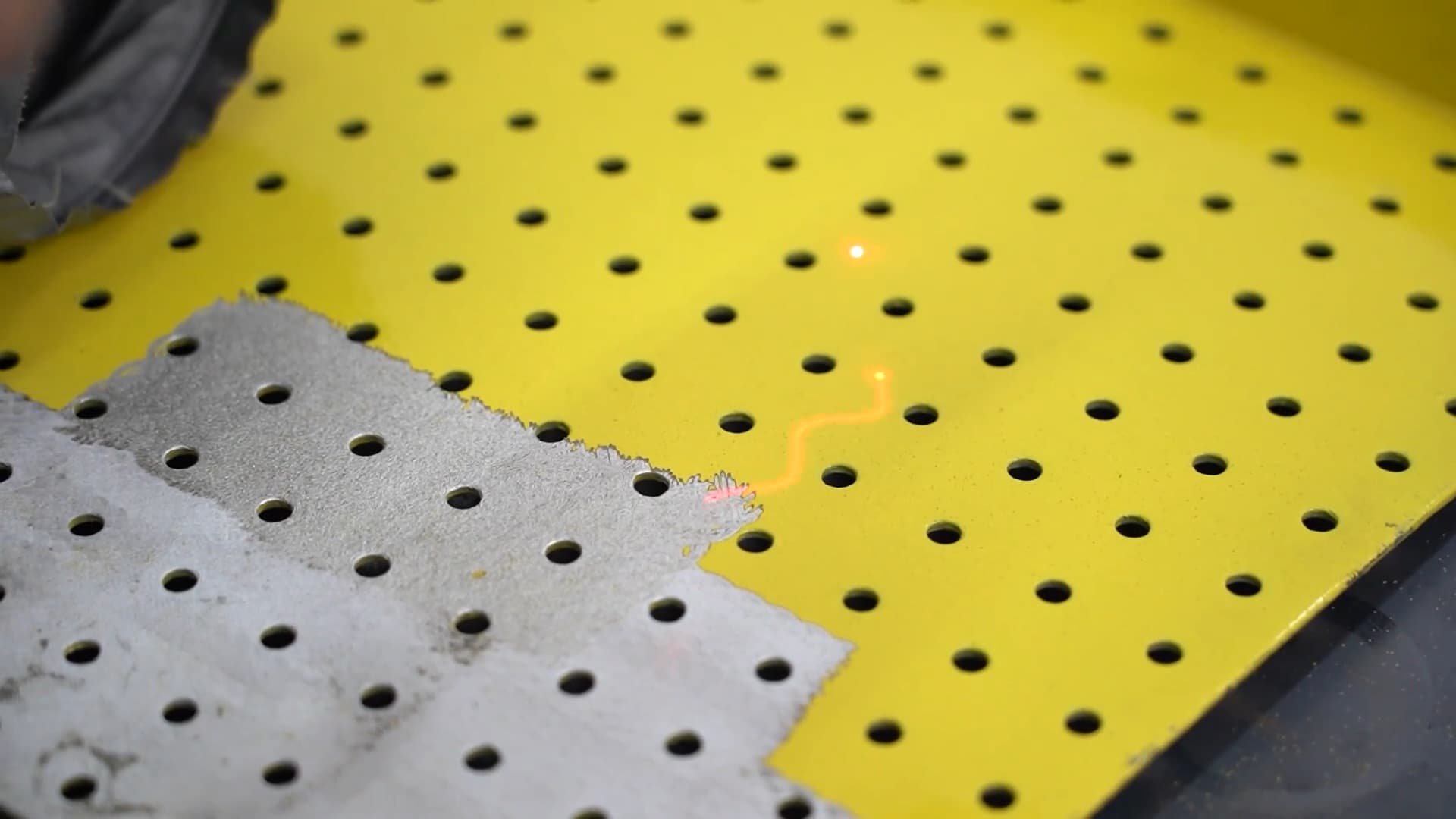
Laser cleaning covers a related niche on fire jobs: precision soot and corrosion removal from structural steel and heritage masonry where even CO2 pellets are more energy than the substrate wants. On most commercial fire claims, dry ice does the bulk of the specialty scope.
What specialty soot removal costs in BC
Numbers vary with severity, access, and how many trades are working around each other, but honest BC brackets look like this.
– Single-room soot removal (electrical room, mechanical room, small production area): $2,500-$8,000.
– Production equipment decontamination (line machinery, motors, panels, conveyors): $5,000-$20,000 depending on equipment count and soot bonding.
– Structural steel cleaning in a warehouse or light-industrial building: $8,000-$30,000 for typical commercial footprints.
What drives quotes up: soot that sat for weeks and bonded, protein-fire residue (greasy, from kitchen fires, roughly double the labour), overhead work requiring lifts, and night or weekend windows to fit around other trades. What keeps quotes down: fast mobilization before bonding, clear access, and one point of contact on the GC side.
On insurance-paid claims, these line items usually sit inside the GC’s scope, and adjusters in BC see enough fire files that reasonable specialty pricing rarely gets challenged. What does get challenged is equipment replacement that cleaning could have avoided. A $12,000 decontamination line item that saves a $150,000 equipment write-off is the easiest conversation an adjuster will have all month.
A real job profile: food distribution, Annacis Island
A picture of how this plays out. A fire in a compressor room at a food distribution facility on Annacis Island pushed smoke through roughly a third of the building overnight. The restoration GC had drying equipment running by morning and called us in on day two.
Scope: soot removal from two electrical rooms, a bank of refrigeration compressors, and about 4,000 square feet of structural steel and deck above the racking. Dry ice blasting handled the electrical and mechanical scope in two overnight shifts so the facility’s day operations in the unaffected areas kept running. Steel came after, three more shifts.
The compressors and both panel rooms passed electrical inspection and went back into service. Total specialty cleaning cost landed under $25,000 against a compressor replacement quote alone of $90,000. The facility was fully operational in nine days. That outcome came from one decision: the GC booked specialty cleaning on day two instead of waiting for the full scope to be approved.
Who you let on a fire site matters
Fire sites are regulated workplaces. Any specialty sub you bring in should carry WorkSafeBC coverage and commercial liability insurance appropriate for industrial work, and should be able to show both before mobilizing. Our crews have been doing industrial cleaning across Greater Vancouver for years under exactly those requirements, from Delta warehouses to North Vancouver marine facilities, and fire restoration work follows the same discipline: containment where needed, HEPA capture of removed soot, and documentation the adjuster can actually use.
The 72-hour rule, in one paragraph
If your commercial building takes smoke damage, the clock that matters is not the insurance timeline. It is the chemistry timeline. Stabilize power and humidity on day one, document before touching anything, and get specialty soot removal assessed and mobilized inside 72 hours. Equipment cleaned in that window goes back to work. Equipment cleaned after it becomes a negotiation.
If you are a property manager or restoration GC dealing with smoke damage anywhere in the Lower Mainland, request a quote or call 236-660-4248. We can usually assess a commercial fire site within 24 hours.