The fire is out. The building is standing. The insurance adjuster has been on-site and the claim file is open. And somewhere around hour 48 the conversation shifts from “what did we lose” to “what happens next, and who pays for it.”
This is the moment where most commercial post-fire cleanup decisions get made badly. Not because the people making them are careless, but because the urgency around getting back into operation pushes everyone toward the fastest visible cleanup rather than the one that holds up six months later when the corrosion starts coming back through the new paint.
The cost of doing this twice, once badly, then properly, is not theoretical. Insurance covers the first cleanup. The second one tends to land on the property owner.
TL;DR. After an industrial fire, soot is not just visual damage. It is an acidic, hygroscopic deposit that drives ongoing corrosion into the steel and concrete underneath it. Wet cleaning methods push contamination deeper. Sandblasting damages already-heat-stressed substrate. Laser ablation removes the soot in a documented, non-destructive process that preserves substrate integrity and produces the kind of method statement insurance adjusters approve. Laser Sharks dispatches across British Columbia for active claims. Call 778-372-9924 or request emergency response.
What actually happens to steel and concrete after a fire
Visible smoke damage is the easy part. The harder problem is what soot does chemically once it has cooled onto a substrate.
Industrial fires produce a residue mix that depends on what burned. PVC cabling, polyurethane insulation, ABS plastics, treated wood, paint and coatings, each of these contributes different compounds to the soot. The two that matter most for substrate damage are chlorine compounds from any PVC in the burn load, and sulphur compounds from anything organic. Both form acids when they encounter atmospheric moisture, which on the BC coast is constant.
The result is a pH shift on the substrate surface. Fresh soot on structural steel can register pH below 4 within the first 24 hours of cooling. That is corrosive enough to begin pitting unprotected mild steel almost immediately. By the time you are 48 to 72 hours past the fire, the pitting is visible on close inspection. By two weeks, it is structural.
Concrete masonry has a different problem. Soot is hygroscopic, it pulls moisture out of the air and holds it against the substrate. On porous concrete or brick this means the contamination wicks into the pore structure. Surface cleaning that does not pull the residue out of the pores leaves a reservoir of acidic contamination that bleeds back to the surface over the following months. This is the “shadow staining” effect that shows up in fire restoration files when the original cleanup was done with wet methods.
Equipment gets a third version of the problem. HVAC duct interiors, electrical conduit, sensitive machinery, control panels, all of these accumulate soot in places where mechanical cleaning cannot reach and where chemical cleaning introduces moisture you do not want. The contamination that does not come out becomes the seed for next year’s failure.
The 48-hour cost problem
There is a window after a commercial fire during which restoration cost and final outcome are still negotiable. After it closes, both get worse.
Within the first 24 hours, acidic soot is sitting on steel that has not yet begun to corrode. The substrate is intact. Cleanup at this stage is contamination removal only.
Between 24 and 72 hours, the corrosion process is active. Cleanup still removes the contamination, but now the steel has measurable surface pitting that has to be addressed before recoating.
After 72 hours, you are in a layered problem. The original soot is bonded harder. New oxidation is forming under the soot. Hygroscopic moisture has driven contamination into concrete pores. What started as a surface cleanup is now a substrate restoration job.
Every day in the second and third week multiplies the structural impact. Insurance adjusters who have seen this cycle before know it. The ones who have not seen it often approve a fast wet cleanup in the first 72 hours and then revisit the same site six months later when the corrosion comes back through the new paint and the property owner asks who is paying for the rework.
The honest answer is that the second cleanup is rarely covered by the original claim. It is treated as a new event triggered by inadequate initial restoration. That is the cost insurance will not pay twice.
Why traditional smoke restoration methods fail on industrial substrates
The cleanup methods that work on residential smoke damage do not transfer well to industrial substrates. The substrate is different, the contamination load is heavier, and the documentation requirements are stricter.
Wet cleaning
Standard for residential restoration. Sponges, dry-cleaning solvents, controlled dampening. On industrial steel and concrete the wet phase drives soot deeper into the substrate. On porous masonry it accelerates the hygroscopic problem rather than solving it. On any electrical or mechanical equipment it introduces moisture into systems that were just inspected and certified dry.
Chemical degreasers and rust converters
Effective on contamination chemistry, ineffective on the substrate damage that is happening underneath. Adds a chemical residue layer that has to be verified out before recoating. In food-adjacent industrial environments, commercial kitchens, processing plants, beverage facilities, chemical residue triggers a separate compliance review with CFIA or provincial inspectors before the facility can restart.
Sandblasting
Removes soot and the top layer of substrate together. On steel that has just been heat-stressed by a fire, the substrate is in a metallurgical state that does not respond well to mechanical erosion. Sandblasting can introduce micro-cracking on heat-affected zones and locks in surface profile changes that the adjuster will see in the documentation. Almost never approved for structural steel in insurance-restoration scenarios.
Dry ice blasting
Useful on the right substrates and the right contamination types. CO2 pellets sublimate on impact, leaving only the original contamination to clean up. No moisture, no abrasive damage, no chemical residue. Where it falls short on post-fire industrial work is hard-bonded soot on porous masonry and the kind of baked-on residue you find on equipment that was operating when the fire started. For those cases the energy density is not high enough to lift the contamination cleanly.
We use dry ice blasting on a fair share of fire restoration jobs where the contamination is light to moderate and the substrate is sound. We use laser cleaning where the contamination is bonded, the substrate is heritage or precision, or the insurance documentation needs to show a method that demonstrably did not alter substrate dimensions.
How laser ablation handles fire and smoke damage
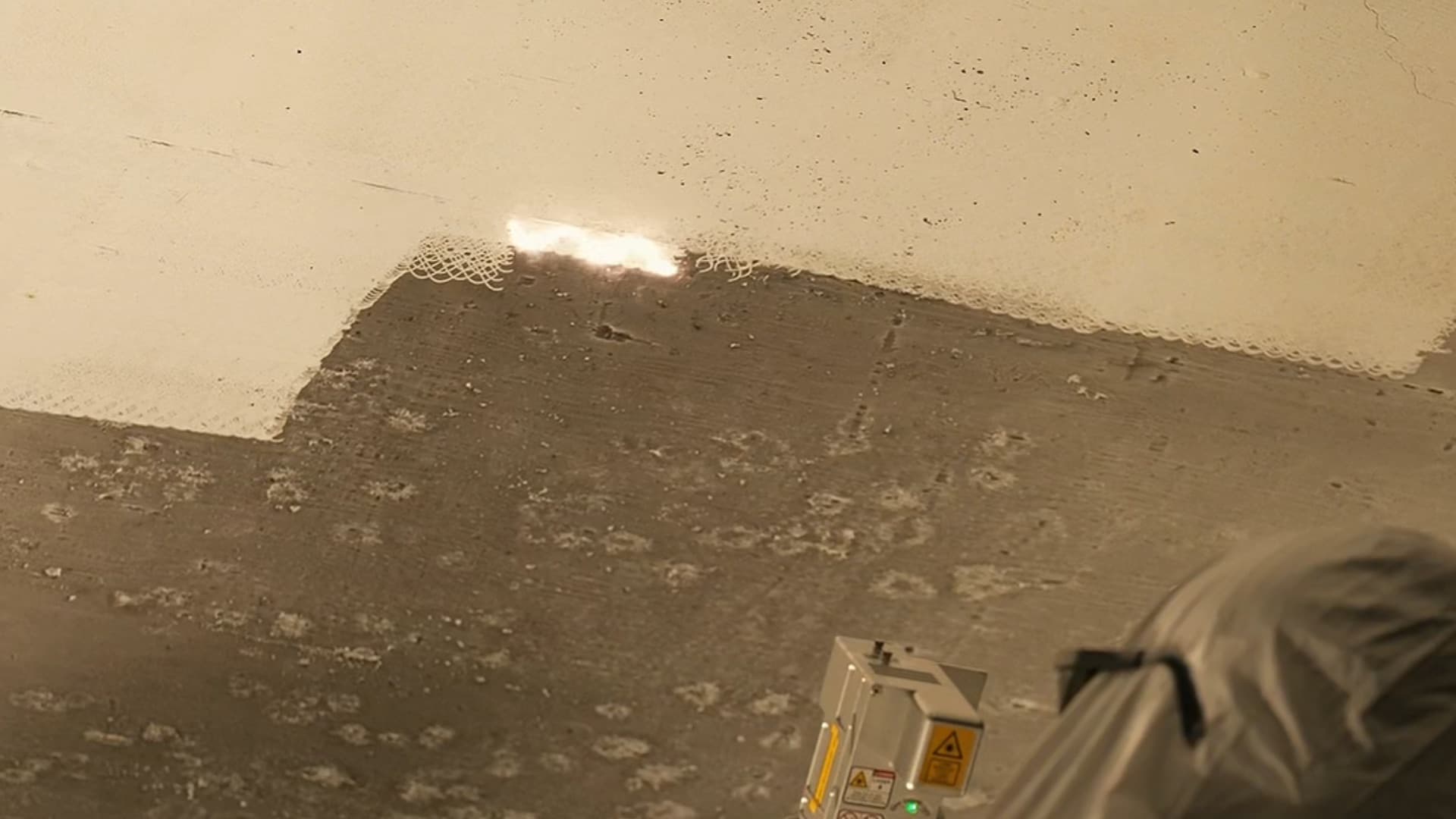
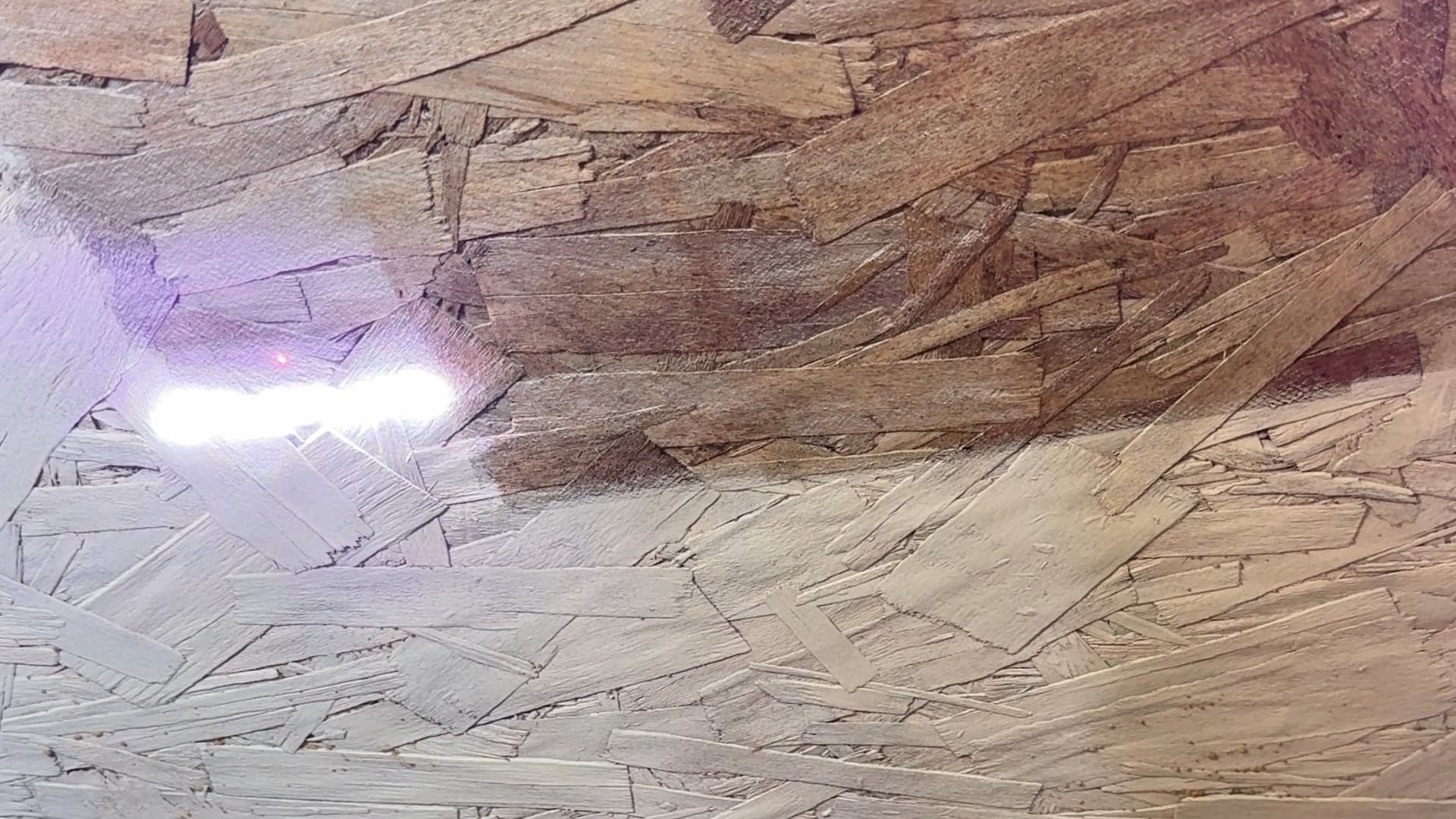
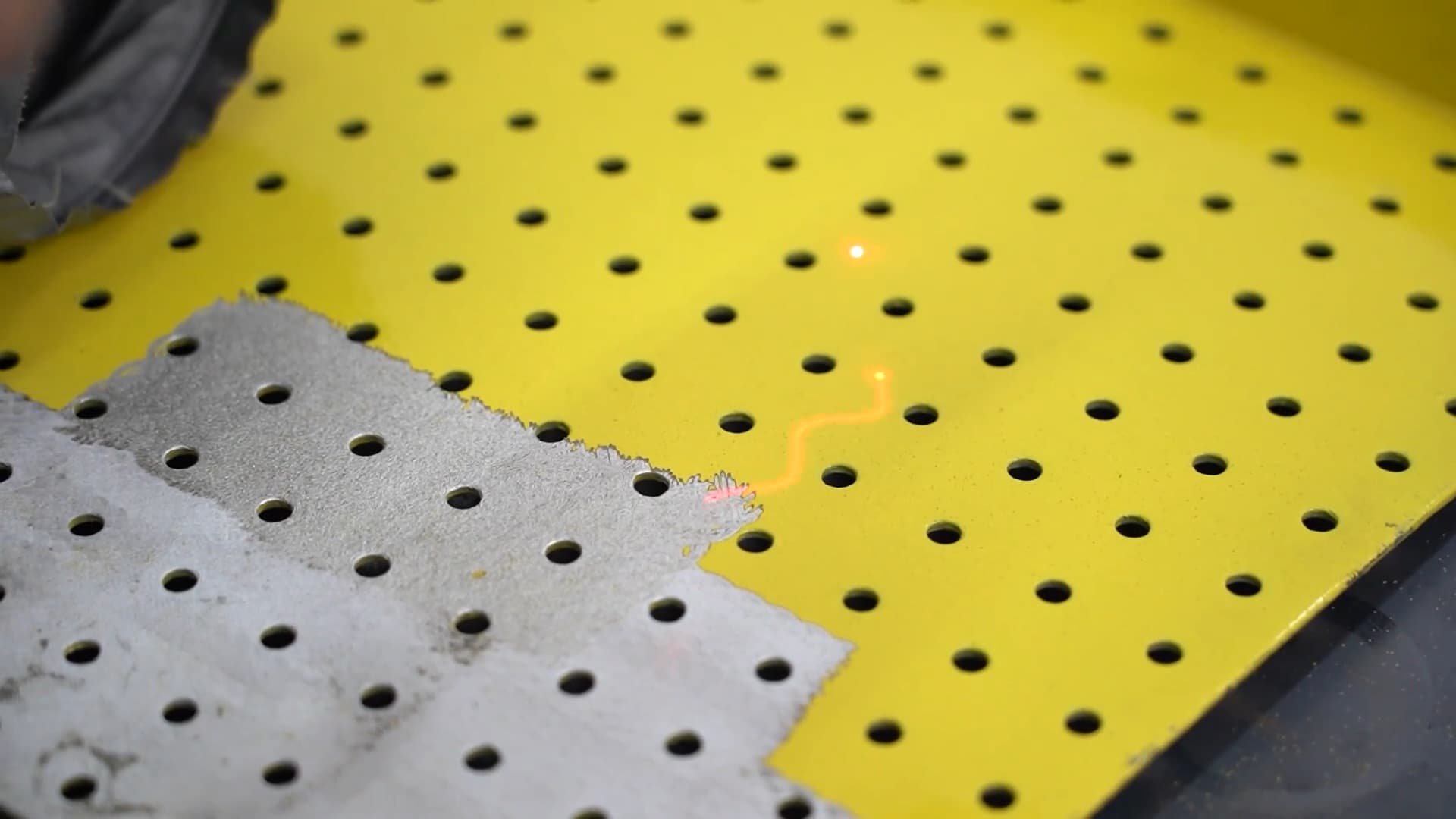
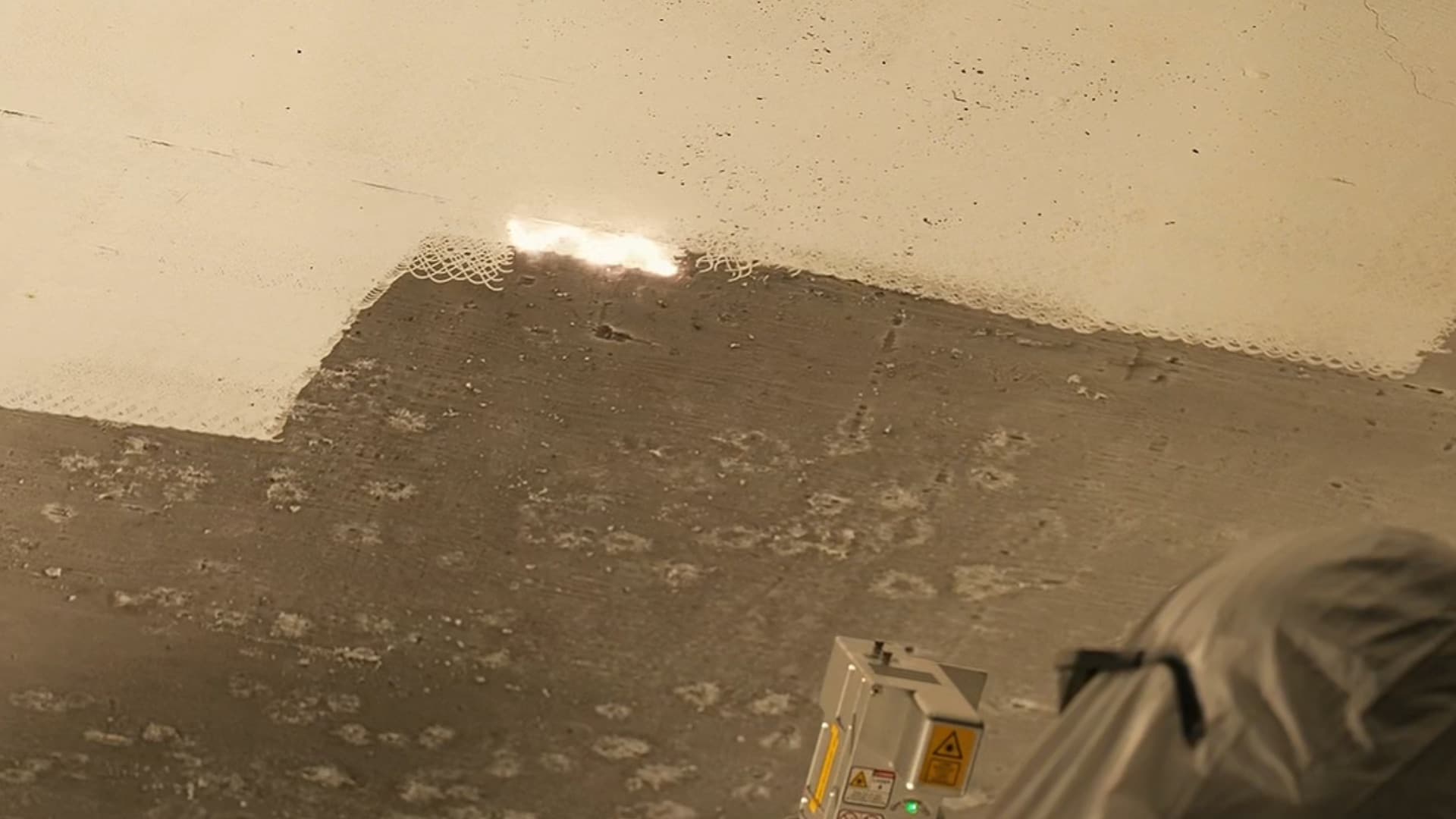
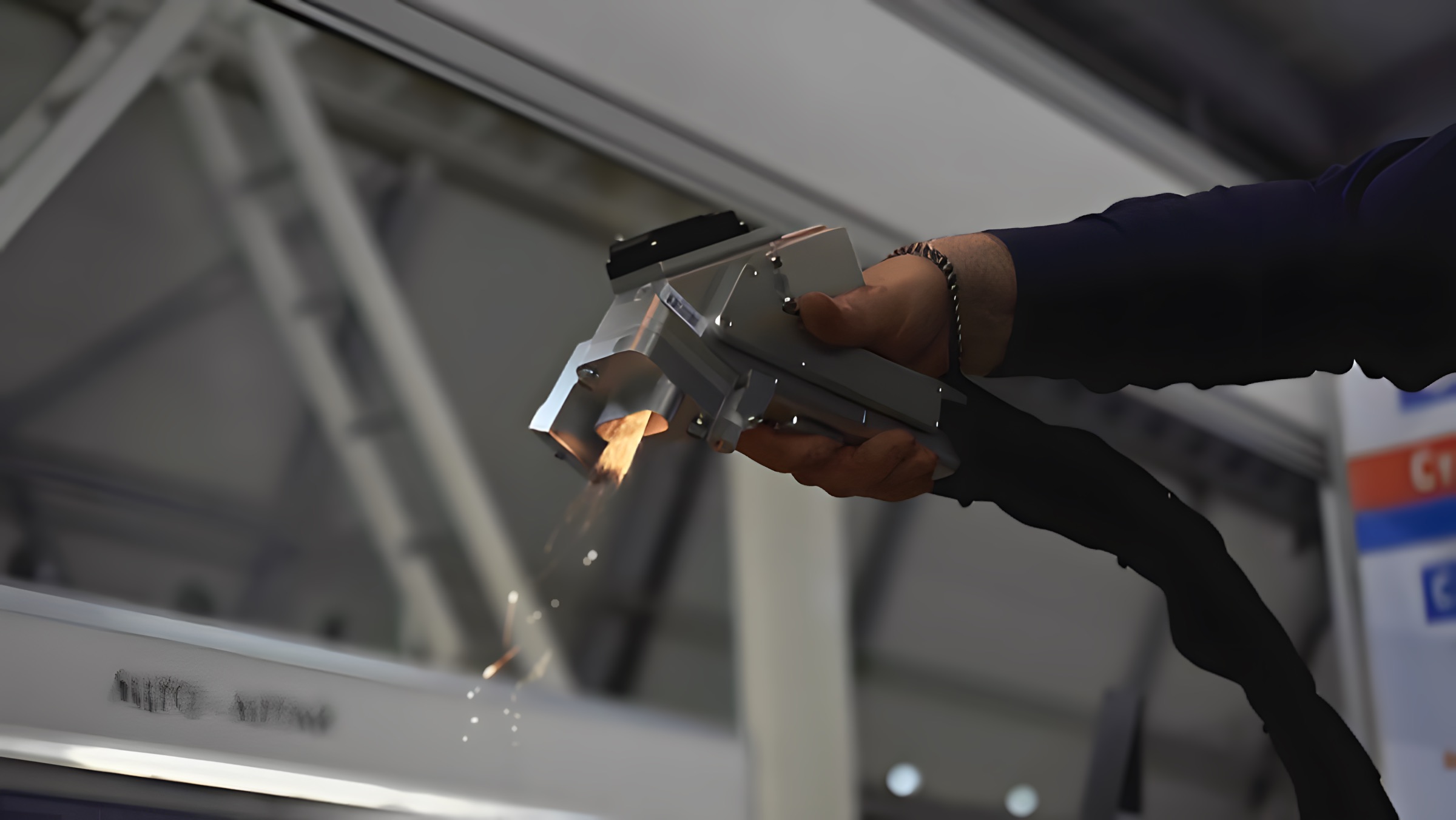
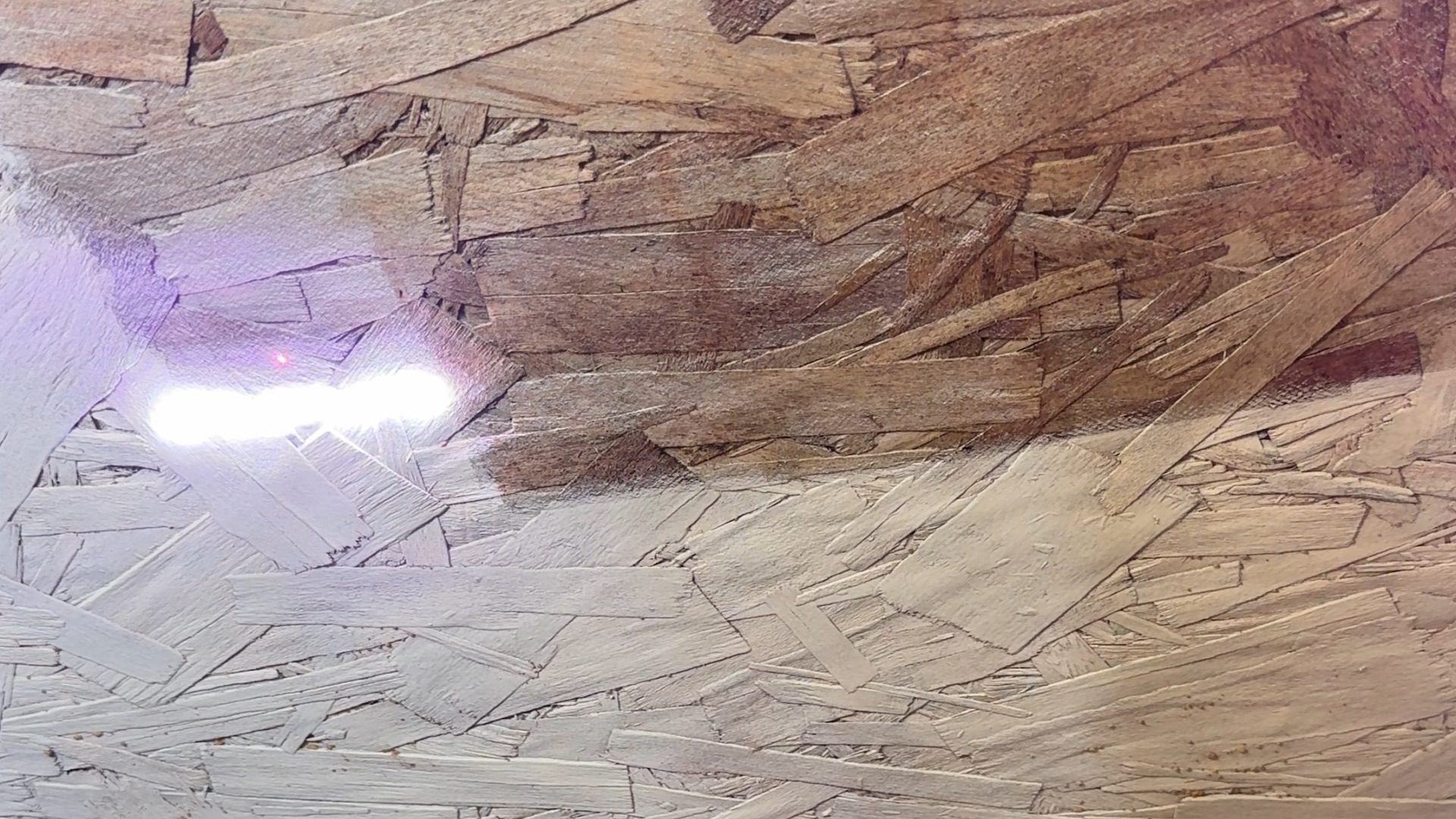
The mechanism is the same as for any laser cleaning application. A pulsed fibre laser tuned to the ablation threshold of the contamination delivers energy density above the threshold of the soot and below the threshold of the substrate. The soot vaporizes. The steel reflects the beam and stays intact.
For post-fire work, three properties of the process matter specifically.
No moisture introduction. The cleaning happens dry. There is no wet phase to drive contamination deeper into porous substrates or into electrical and mechanical equipment.
No mechanical erosion. The substrate dimensions before and after cleaning are identical within measurement tolerance. For structural steel and load-bearing assemblies this matters to the structural engineer signing off on the restoration. For heritage assets this is often the only method the architectural conservation review will accept.
Documented method. Every job produces a method statement, surface measurement before and after where requested, photo documentation by zone, and a description of laser parameters used. The file goes into the claim documentation as evidence of non-destructive restoration. Adjusters who have seen this documentation on previous claims tend to specify it on subsequent ones.
The heat-affected zone from laser ablation on steel is on the order of microns. The bulk metallurgy of the substrate is unaffected. For a beam that has been through a fire and is being assessed for ongoing service, this is the difference between a cleaning step and a cleaning step that risks compounding the original damage.
Insurance documentation that gets claims approved
The cleanup is half of a post-fire industrial job. The documentation is the other half.
Adjusters working commercial fire claims want a method statement, scope of work, before and after photos by zone, and a description of what was used and why. Where substrate integrity is part of the claim, meaning the asset being cleaned has its own value separate from the cleaning service, they want evidence that the method did not introduce its own damage.
Laser cleaning produces this documentation naturally because the process is parametric. The laser settings used on each zone are recorded. The scan pattern is recorded. The before-and-after photography happens as part of QA. None of that exists on a wet cleanup job, which is why wet-method documentation tends to be retrospective and thin.
Where we see this matter most in BC:
Commercial buildings with heritage designation that have suffered fire damage. The architectural review will not approve restoration methods that alter the substrate. Laser ablation is the default acceptable method because it is documented and non-destructive.
Industrial facilities under regulatory inspection, food processing, pharmaceutical, beverage manufacturing. Restart requires compliance sign-off. Compliance sign-off requires documented method. Laser cleaning method statements are designed to be inserted directly into the compliance file.
Mixed-substrate sites where structural steel, concrete masonry, mechanical equipment, and electrical systems all share the same fire-damaged space. A single documented method across all substrates simplifies the claim file. Multiple methods, each with their own documentation gaps, complicates it.
The first hour after a commercial fire, what to actually do
Most of the structural cost of a fire is determined in the first 24 hours, and most of the decisions in that window get made by people who have never been through one before. Below is what to do if the fire is at your facility and you are the one making the calls.
Hour 1. Confirm the building is safe to enter under fire service authority. Do not enter before clearance. Contact your insurance carrier and open the claim file. Get a claim number.
Hour 2 to 6. Document the loss before any cleanup starts. Photo every zone, every substrate, every piece of affected equipment, with timestamps. This is the baseline for the claim. Once cleanup begins, you cannot recover this evidence.
Hour 6 to 24. Engage a restoration contractor experienced with industrial substrates. For laser cleaning emergency response in BC, Laser Sharks dispatches to the lower mainland, Vancouver Island, and most of the southern interior. Get an on-site assessment scheduled within this window.
Hour 24 to 72. Soot stabilization. Acidic residue is now actively damaging substrate. The faster contamination is removed, the smaller the substrate restoration scope becomes. This is the window in which cleanup method choice determines whether the claim costs one cycle or two.
Beyond 72 hours. Restoration is now compound. Substrate is contaminated and damaged. Cleanup scope expands, cost expands, and the documentation has to account for the additional damage. This is the window most property owners regret entering.
When to call us
Active commercial fire claim, industrial substrate, BC location, restoration needs to begin within the first 72 hours. We dispatch quickly for emergency response and have a standing relationship with major insurers operating in the province.
The first conversation is free. The on-site assessment is free. The fixed-price quote comes within the first 24 hours of the visit on emergency files. CBRB Best Cleaning Services in BC 2025. Full WorkSafeBC coverage and commercial liability.
Active claim? Call 778-372-9924 — emergency dispatch across BC.
Non-emergency restoration: request a free assessment.
Related: industrial rust removal in BC, covers the substrate preservation case in detail. Also worth reading if your fire damage involves significant pre-existing corrosion on structural elements.
FAQ
How quickly should industrial smoke damage be cleaned up?
Within 72 hours of the fire being extinguished. Soot is acidic and hygroscopic, it begins corroding steel substrate within the first 24 hours and continues until removed. After 72 hours the cleanup scope expands because the substrate itself is now part of the restoration job, not just the contamination on top of it.
Why does insurance often not cover a second post-fire cleanup?
The first cleanup is treated as the restoration. If the contamination returns six months later because the original method left acidic residue in pores or did not address the substrate corrosion that started under the soot, the second cleanup is typically classified as a new event triggered by inadequate initial restoration. That responsibility usually falls outside the original claim coverage.
Is laser cleaning approved for insurance restoration work in BC?
Yes. Major insurers operating in British Columbia approve documented laser ablation as a non-destructive cleaning method on commercial and industrial restoration files. The parametric documentation that laser cleaning produces tends to strengthen claim files where substrate preservation is part of the loss assessment.
What is the difference between residential and industrial smoke damage cleanup?
Substrate, contamination load, and documentation requirements. Residential smoke damage typically affects drywall, finishes, and contents, substrates that can be cleaned with wet methods or replaced. Industrial smoke damage affects structural steel, concrete masonry, mechanical equipment, and compliance-regulated environments where wet methods introduce new problems and replacement is not a practical option. The cleanup method has to preserve substrate and produce documentation that goes into a claim file.
Can you clean fire-damaged electrical equipment with laser cleaning?
In many cases yes, with the equipment de-energized and isolated per WorkSafeBC requirements. Laser cleaning is dry, does not introduce abrasive media, and produces no chemical residue, so it is well suited to electrical enclosures, control panels, and conduit interiors where wet cleaning would create new problems. Each piece of equipment is assessed individually on the site walk.
What does emergency response look like?
A senior technician on-site at the BC location within hours of the call. Initial assessment of substrate, contamination load, and equipment status. Method recommendation and a fixed-price quote within 24 hours. Cleanup crew mobilized once scope is approved. For active commercial claims in the lower mainland response is typically same-day; Vancouver Island and southern interior may be next-day depending on weather and access.
Related reading
- Fire Damage Cleanup in Vancouver: A Property Manager Guide
- How BC Plants Remove Industrial Rust Without Damaging Steel
Compare options for your site with our emergency restoration quote service, or request a quote.